
Last updated November 25, 2026
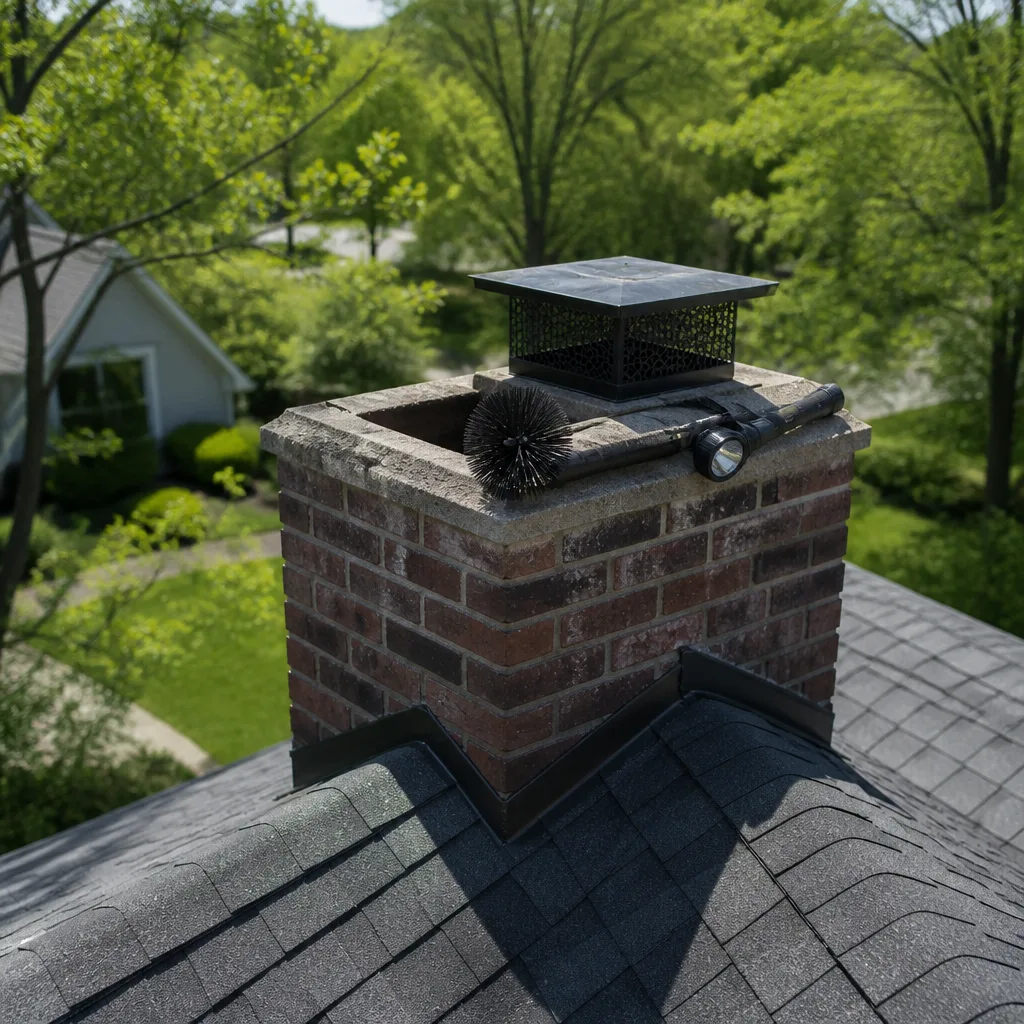 Sweep & inspection
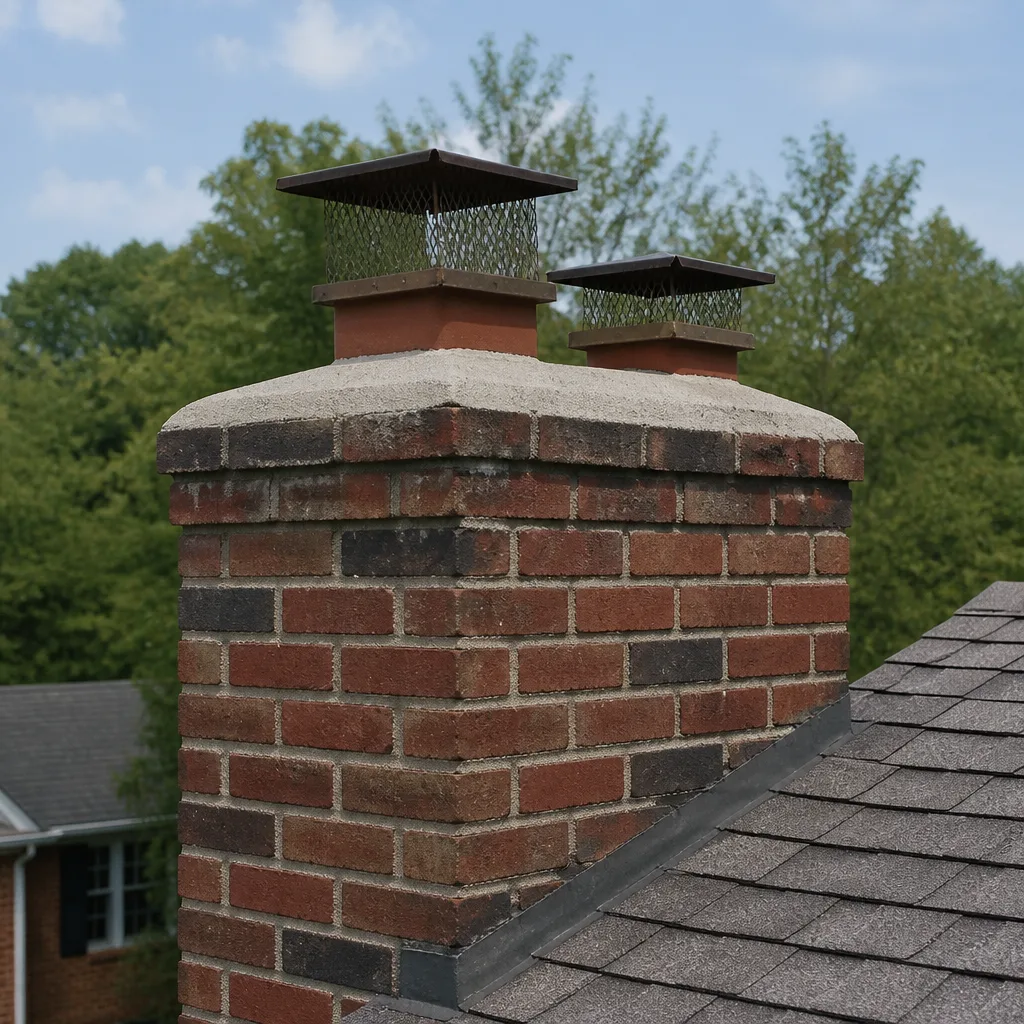 Caps & crowns
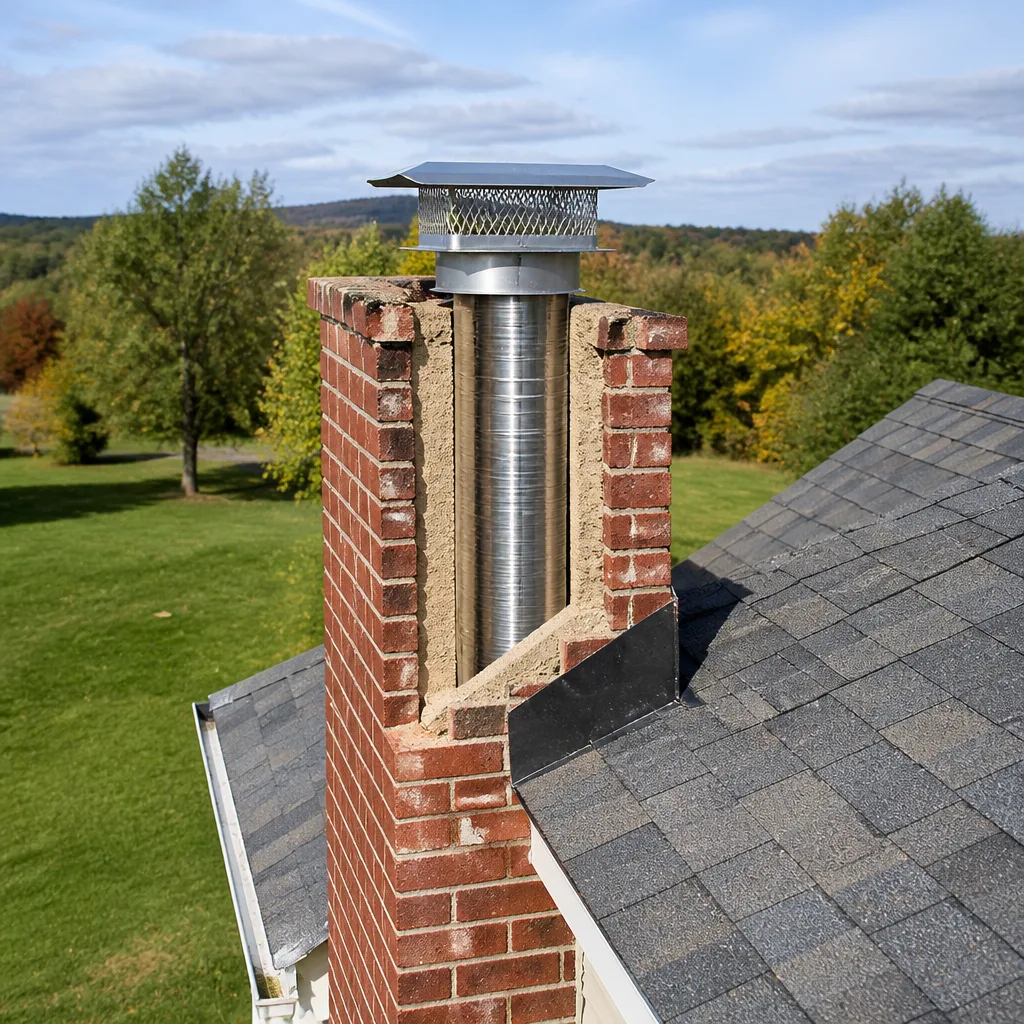 Flue relining
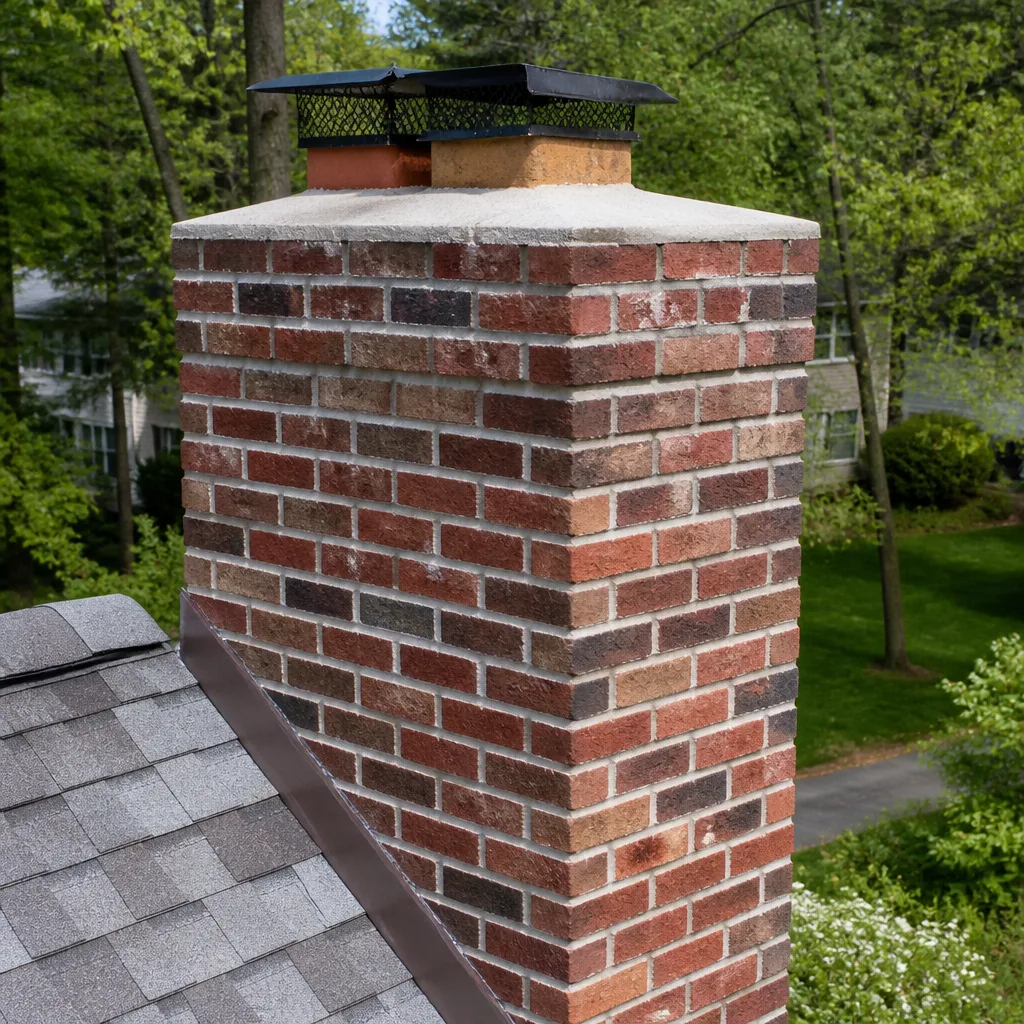 Masonry repair
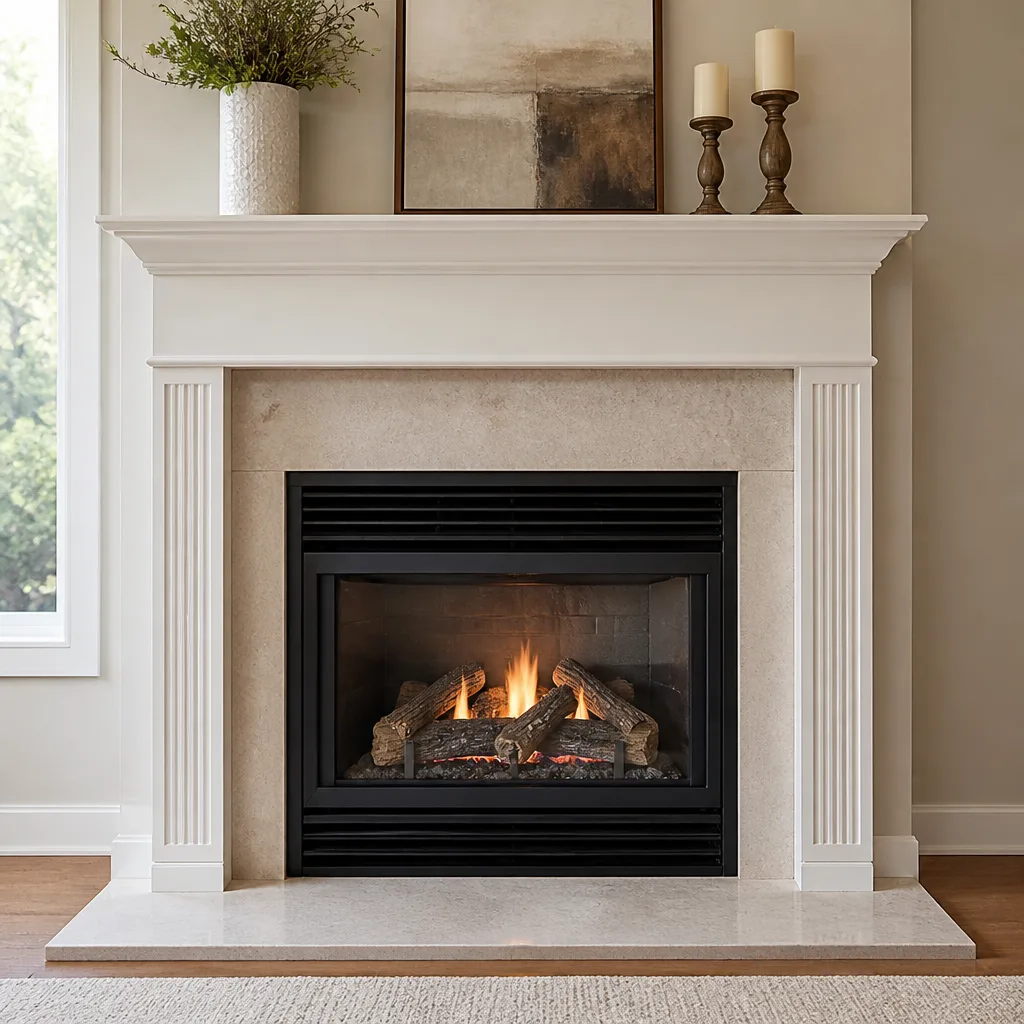 Gas fireplace service
Level 1 sweep and inspection to the NFPA 211 annual standard - flue, crown, cap, and flashing checked and photographed
Chimney sweep logs do not sweep chimneys. They loosen some creosote - which then falls where a brush and vacuum still have to collect it.
Chimney Sweep Maintenance Checklist for Fountain Valley Homeowners
Most chimney maintenance checklists you’ll find online were written for places with real winters. They obsess over freeze-thaw damage and snow loads. Here in Fountain Valley, we burn differently, we build differently, and the weather that actually threatens a chimney comes from the other direction entirely – it arrives in October as a hot, dry Santa Ana wind, not as a February ice storm. Copy a Midwest checklist and you’ll spend your energy chasing problems you don’t have while missing the ones that are genuinely likely here. This guide gives you a repeatable, month-by-month framework built for how chimneys actually live in Fountain Valley – from the September pre-season visual check through spring close-out – so you know what you can safely handle yourself and what belongs in the hands of a professional.
Styles & brands we work with
- Sweep & inspection
- Caps & crowns
- Flue relining
- Masonry repair
- Gas fireplace service
Quick Answer
A Fountain Valley homeowner should check the crown, cap, damper, and firebox before the first fire of the season, inspect again after any major Santa Ana wind event, watch for draft and odor changes mid-season in January, and seal the damper after the last fire of spring. Pair those homeowner tasks with one professional inspection and sweep per year, and you have a complete maintenance cycle. Everything below expands each step into something you can actually do.
Table of Contents
- Why a Fountain Valley Checklist Is Different
- Pre-Season Checklist: What to Do in September
- Post-Santa Ana Event Protocol
- Mid-Season Check: Reading Draft and Odor in January
- Spring Close-Out Tasks
- Homeowner Tasks vs. Professional Touchpoints
- What a Professional Inspection Actually Covers
- Common Mistakes to Avoid
- When to Call a Professional
- Frequently Asked Questions
Why a Fountain Valley Checklist Is Different
Fountain Valley’s climate is mild for most of the year, and that’s exactly what trips homeowners up. A short burning season, a long dry summer, and frequent windy autumn days produce a very particular pattern of wear on a chimney – one that neither a snowy climate nor a wet climate would produce.
Three local factors drive everything in this guide:
- A short, intense burning season. Most Fountain Valley homes burn heavily for a few months and then sit idle. That idle period matters. Creosote that forms during the season bakes onto the flue, and the dry months afterward are when masonry and caps take their real beating.
- Dry air and wind events. The late-summer and fall Santa Ana winds are hot, dry, and strong. They carry debris, they lift and shift lightweight objects across roofs, and they create pressure differences around a house that can push smoke back down a flue. Wind damage to caps, crowns, and flashing is genuinely common here in a way it isn’t in calm inland climates.
- Home age and build styles. Fountain Valley has a broad mix of homes, from older ranch-style builds to newer construction. Masonry chimneys on older homes tend to show crown cracking and mortar joint deterioration; factory-built metal fireplaces common in newer homes rely on their liner and cap working perfectly. Different systems, different failure points.
A chimney that’s never seen a freeze is still a chimney that needs annual care. In our experience the work here isn’t about thaw and frost – it’s about wind, dryness, and creosote accumulation inside a system that spends half the year unused.
Pre-Season Checklist: What to Do in September
September is when to walk your property before the first fire. This is a visual, eyes-only inspection – nothing here requires you to climb onto a roof or reach into a flue. It takes about twenty minutes and catches the problems that would otherwise show up as smoke in the living room on the first cold evening.
Work through these in order:
- Crown. From the ground, look at the concrete or masonry top of the chimney with binoculars if you have them. You’re checking for visible cracks, crumbling edges, or dark staining that suggests water is sitting up there. A cracked crown lets water in, and water in a Fountain Valley chimney in the dry season finds every weak point in the mortar.
- Cap. Confirm the chimney has a cap and that it’s still in one piece. Look for bent or missing mesh, a cap that’s tilted or loose, or obvious holes. A missing cap is one of the most common things we find – it allows rain, leaves, and birds straight into the flue.
- Damper. Open and close it fully by hand from inside. It should move smoothly and seat flat when closed. A damper that sticks, rattles, or won’t fully close is letting conditioned air out and cold air in even when you’re not burning.
- Firebox floor and walls. Shine a light into the firebox. Look for cracked firebrick, gaps between bricks, or a floor that looks eroded. Small hairline cracks in firebrick are often normal; large gaps or broken bricks are not.
- Flue interior glance. With a flashlight and the damper open, look up as far as the light reaches. You’re looking for an obvious creosote buildup or anything blocking the passage. Don’t try to clean it yourself – just note what you see.
- Roof and flashing. Look at where the chimney meets the roof. Note any gaps, rust streaks, or lifted flashing. Report what you see to whoever inspects your chimney.
- Nearby trees. Check for branches overhanging the chimney. In Fountain Valley these get loaded with leaves and become a wind-blown debris source all season.
If any of these raise a flag, schedule your inspection before the first fire rather than after. A September problem is a scheduled job; a November problem is a scramble.
Post-Santa Ana Event Protocol
Here’s the part most checklists leave out entirely. After a significant Santa Ana wind event – the hot, dry, fast-moving winds that roll through Orange County most often in autumn – your chimney deserves a quick visual re-check. Wind-driven debris and pressure events are among the most common reasons chimneys need service going into the burning season.
What happens during a Santa Ana wind event to a chimney:
- Debris on and in the cap. Leaves, branches, and blown material collect on the cap and drop into the flue. This is the single most common post-wind blockage.
- Cap displacement. A cap that was loose before a strong wind is likely to be tilted or off after one. Losing a cap mid-season means rain and debris go straight down the flue for the rest of the season.
- Flashing lift. The metal flashing where the chimney meets the roof can lift or tear. That’s a leak waiting for the first rain.
- Mortar joint cracking. Wind-driven vibration and pressure can open hairline cracks in mortar joints that were already weakening. These cracks let moisture in and weaken the structure over successive seasons.
- Backdrafting. Strong wind creates negative pressure around the house that can push smoke back down a flue instead of pulling it up. If your fireplace is smoking more than usual during or right after high winds, pressure and a compromised cap or flue are the likely culprits.
Your post-event routine: a ground-level look at the cap and crown, a check for debris in the firebox and on the damper, and a look at the flashing line. If you notice any of the above and it’s a real concern, that’s the moment to book an inspection – not after the first fire smokes you out. Call (877) 792-7543. We answer 24/7. Fast dispatch from 7am to 7pm, Sunday through Friday.
Mid-Season Check: Reading Draft and Odor in January
About halfway through the burning season, your chimney is telling you whether it needs attention. January and early February are when the signs show up. You don’t need to inspect the flue for this – you just need to pay attention to how your fireplace is performing compared to how it performed in November.
Three performance indicators suggest a mid-season cleaning is in order:
- Draft that’s gotten weaker. Fires that used to light easily now struggle to get going. Smoke drifts into the room instead of going straight up. That’s a sign your flue is restricted by creosote or debris.
- A smoky or acrid odor inside the house. A faint creosote smell is normal when you open the damper or on a cold morning. A persistent sharp, tar-like, or smoky smell that doesn’t clear after the fire is out means creosote has built up to a level where it’s off-gassing into the home. That’s a signal to stop burning and get the flue cleaned.
- Visible soot or creosote on the firebox or damper. Heavy black soot on the firebox walls or sticky black creosote visible around the damper and flue throat after a season of burning means the flue itself needs cleaning.
One important safety note: creosote is the flammable residue left behind by burning wood, and heavy creosote buildup in a flue is the fuel source for a chimney fire. If you smell a strong creosote odor or see heavy black buildup, stop using the fireplace until a professional has assessed it. This isn’t a condition to test by burning through it. Call (877) 792-7543 for an inspection.
Spring Close-Out Tasks
After your last fire of the season, the chimney enters its long idle period – and what you do at close-out determines how it holds up until fall. In Fountain Valley’s coastal-adjacent Southern California air, that idle period runs six to eight months, longer than the burning season, which makes spring close-out the most neglected and most important phase of the year.
The tasks that matter most in spring:
- Seal the damper. Close it fully and confirm it seats flat. In a mild coastal-adjacent climate, conditioned air escapes up an open flue all summer and warm, humid air moves in. When that humid summer air cools and meets a cold flue in the fall, it condenses inside the chimney. That condensation is the mechanism behind interior corrosion, liner damage, and musty smoke smells on the first fire of autumn. Sealing the damper through the off-season blocks that exchange.
- Schedule the annual sweep for spring, not fall. Cleaning the creosote out after the season rather than before the next one keeps it from having all summer to bake onto the flue wall and draw moisture. A spring sweep also gives you time to schedule any repairs without a deadline.
- Look at the cap one more time. After a windy season, confirm the cap and its mesh are intact going into the dry months.
- Check the exterior crown and flashing with a fresh eye. Rain season is winter here, not summer, so an intact crown and flashing protect the chimney in the months you’re least likely to be thinking about it.
- Note anything new. Rust streaks on the firebox, a musty smell, a loose damper handle – write these down for your autumn inspection.
Homeowner Tasks vs. Professional Touchpoints
Not everything on this list belongs to you, and not everything belongs to a professional. Knowing the line is what makes a maintenance checklist actually work instead of collecting dust. Here’s the split we recommend to Fountain Valley homeowners:
Tasks you can legitimately own yourself:
- Visual inspection of the crown, cap, flashing, and firebox from the ground and from inside
- Opening, closing, and listening to the damper
- Looking up the flue with a flashlight for obvious buildup or blockages
- Clearing debris from the firebox and top of the damper
- Sealing the damper at spring close-out
- Noting performance changes and booking a professional when they appear
Tasks that belong with a professional:
- Cleaning the flue itself – every inch of it
- Inspecting the full flue and liner interior (which requires proper access and, in many cases, a camera)
- Assessing creosote type and depth
- Resurfacing a damaged flue interior – for example, with HeatShield, which can restore a cracked or worn flue surface without full liner replacement when a professional determines replacement isn’t needed
- Installing or replacing a chimney liner system – for example, a DuraFlex flexible liner for a system that needs a code-compliant upgrade
- Repairing crowns, flashing, mortar joints, and caps
- Repairing the firebox or any chimney structure
The point of drawing this line isn’t to sell you a service. It’s that some of these – flue cleaning, liner work, anything requiring roof access – involve real risk if done by an untrained homeowner, and some require expertise you simply can’t substitute for. Cleaning a flue requires proper brushes, proper access, and knowing when a push through the flue would damage a liner. That’s the work of a trained professional. Reaching up onto a roof to remove a cap or inspect the crown carries fall risk. We’d rather you look from the ground and let a professional climb.
What a Professional Inspection Actually Covers
An annual professional inspection is the backbone of this whole checklist. If you only do one thing this year, make it this. And it helps to know what’s actually happening during the visit so you can ask the right questions.
A proper inspection covers the full system, not just the flue:
- The full flue and liner. The condition of the liner – whether it’s a clay tile, a metal liner, or none at all – and whether it’s showing cracks, gaps, or wear. For an older or unlined flue, this is where code compliance and safety upgrades get discussed.
- Creosote assessment. How much creosote is present, and what type. This drives whether the flue needs cleaning and how urgent it is.
- The firebox and damper. Any cracks in firebrick or gaps in the firebox floor, and whether the damper is functional.
- The crown. Its structural condition and whether it’s shedding water properly or letting it in.
- The cap and mesh. Whether it’s intact, the right size, and doing its job.
- Flashings and the roof junction. Where leaks start if they’re not caught early.
- Exterior masonry and mortar joints. Free of the deterioration that wind and dry cycling accelerate.
Fountain Valley homeowners get a clear picture of their system after this – and a written record of anything that needs attention. From there, we can move into the work that follows if it’s needed: cleaning, cap and crown work, flue resurfacing, liner installation, or chimney repair. One company handling the whole scope means no handoffs between specialists and no gap in the record of your chimney’s condition year to year.
If you’re also noticing fireplace-side issues – a smoking fireplace, damaged firebrick, or a damper that won’t work properly – that’s handled within the same scope through fireplace repair, so the interior and the chimney are assessed as one system rather than two.
Common Mistakes to Avoid
- Skipping the post-wind check. Most Fountain Valley homeowners think of their chimney once in autumn and not again. Wind events are the main driver of new damage here, so a check after a Santa Ana event catches problems while they’re still small repairs.
- Leaving the damper open all summer. In this mild climate, that’s a slow path to condensation damage and a musty smell on the first fire of fall. Close and check it in spring.
- Burning damp or green wood through the season. It produces far more creosote than seasoned wood. In a short, heavy burning season, that creosote accumulates fast.
- Cleaning the flue yourself. The reason this is on the professional side of the list isn’t complexity – it’s that a homeowner can damage a liner they can’t see, and roof access carries genuine fall risk. A trained technician with proper equipment is worth the cost.
- Blocking the flue opening with a screen or covering that doesn’t breathe. It restricts draft and traps moisture. Install a proper cap with mesh.
- Assuming a gas fireplace needs no maintenance. Gas appliances still have a flue and venting system that needs inspection. The failure points are different, but the annual inspection still applies.
- Putting off the sweep until fall. Doing it in spring gives you the whole summer to schedule any repairs – and keeps creosote out of the flue through the long dry months.
When to Call a Professional
Call a professional when your fireplace is producing smoke into the room, when a fire struggles to draft, when you smell a persistent sharp or smoky odor inside the house, or when you notice soot and creosote on the firebox or damper after burning. Call when the cap is damaged, missing, or tilted, when the crown has visible cracks, when flashing has lifted, or when you can see deterioration in the firebox or masonry. Call before the first fire if it’s been a season since the last inspection. And call whenever you’re unsure – a brief conversation costs nothing and can save you a season of burning a restricted flue.
Chimney Sweep Fountain Valley offers free estimates in Fountain Valley. Call (877) 792-7543. We answer 24/7. Fast dispatch from 7am to 7pm, Sunday through Friday. Our technicians have up to 15 years of experience, and we work with professional-grade DuraFlex liner systems, HeatShield flue resurfacing, and cap and crown materials from established manufacturers like Famco and Copperfield – the same lines chimney specialists specify nationwide.
Frequently Asked Questions
A chimney sweep in Fountain Valley typically costs $180 to $340 for a standard cleaning, depending on the flue length, the creosote level, and whether the job includes an inspection. That range is a typical estimate; the written estimate sets the final price. Anything beyond a basic sweep, such as crown repair or liner work, is quoted separately once the inspection shows what’s actually needed. Call (877) 792-7543 for an exact quote. Estimates are free.
Most wood-burning fireplaces should be swept once a year, or once for every cord of wood burned. In Fountain Valley, given the short but heavy burning season, a spring sweep after your last fire keeps creosote from degrading the flue through the long idle period. An annual inspection should happen regardless of whether the sweep is needed. Call (877) 792-7543 to schedule yours.
Skipping a season means creosote stays on the flue wall for the long dry months, where it can bake on and draw moisture, which accelerates corrosion and wear. On the outside, small crown cracks, a loose cap, or lifted flashing get a full summer of wind and sun to grow worse. In our experience a problem caught in autumn is usually a small repair; caught after several skipped seasons, the same problem becomes a structural one. Call (877) 792-7543 for an inspection before the next burning season.
Not always. A liner is recommended when the existing flue is cracked, deteriorated, or missing entirely – conditions a professional needs to assess before deciding. HeatShield flue resurfacing can restore a damaged flue interior without a full liner replacement when the condition is right for it, and a DuraFlex flexible liner system is the answer when the flue needs a code-compliant upgrade. The right call depends on what the inspection finds, not on a default recommendation. Call (877) 792-7543 and have it assessed first.
Yes. A chimney in a home that burns one or two fires a week still accumulates creosote, and the exterior parts – crown, cap, flashing – take on wind and weather damage regardless of how often you burn. In a short-season climate like Fountain Valley, the idle months do just as much work on chimney condition as the burning season does. Call (877) 792-7543 to have yours inspected.
A homeowner check is visual and from the ground – you can assess the cap, crown, flashing, damper, and firebox from safe access. A professional inspection goes further: it evaluates the full flue and liner interior, assesses creosote depth, examines structural parts of the assembly, and produces a written record of condition. Both matter; only one requires a trained technician. Call (877) 792-7543 to book an inspection and get the full picture.
The Bottom Line
Chimney maintenance in Fountain Valley isn’t a single annual errand – it’s a short cycle of small, repeatable checks tied to how this climate actually works. Check the crown, cap, damper, and firebox in September before the first fire. Re-check the cap, flashing, and mortar after any significant Santa Ana wind event. In January, watch for weakening draft or persistent creosote odor as your mid-season signal. In spring, seal the damper, sweep the flue, and address any repairs while you have months to schedule them. Pair those homeowner tasks with one professional inspection per year, and your chimney will hold up through seasons of use with nothing worse than small, scheduled repairs.
If it’s time for that annual inspection, we can help. Call (877) 792-7543. We answer 24/7. Fast dispatch from 7am to 7pm, Sunday through Friday. Chimney Sweep Fountain Valley offers free estimates across Fountain Valley – chimney sweep appointments, inspection, and any repair that follows, all under one roof. If you’re also scheduling other service, our Chimney Sweep Fountain Valley team handles the full scope from cleaning to liner work and cap installation.
Written by the team at Chimney Sweep Fountain Valley.
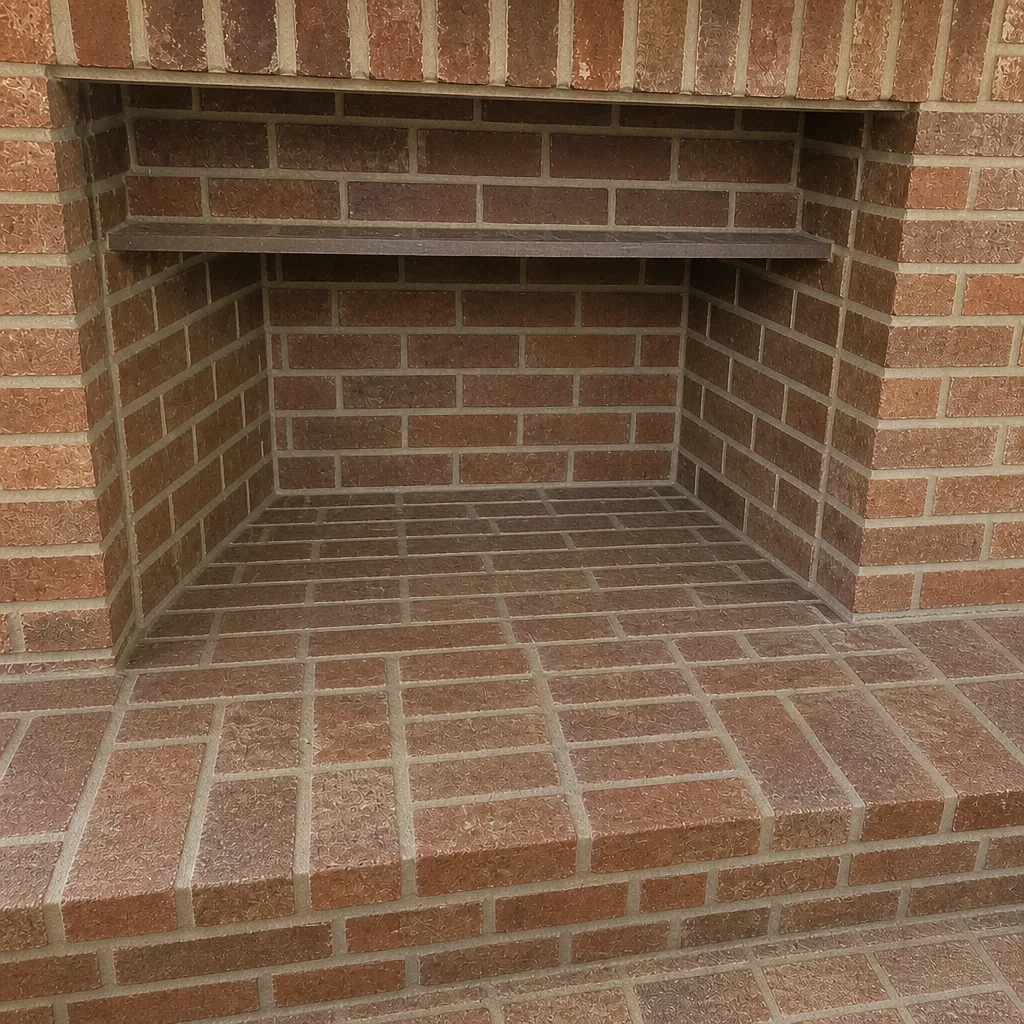
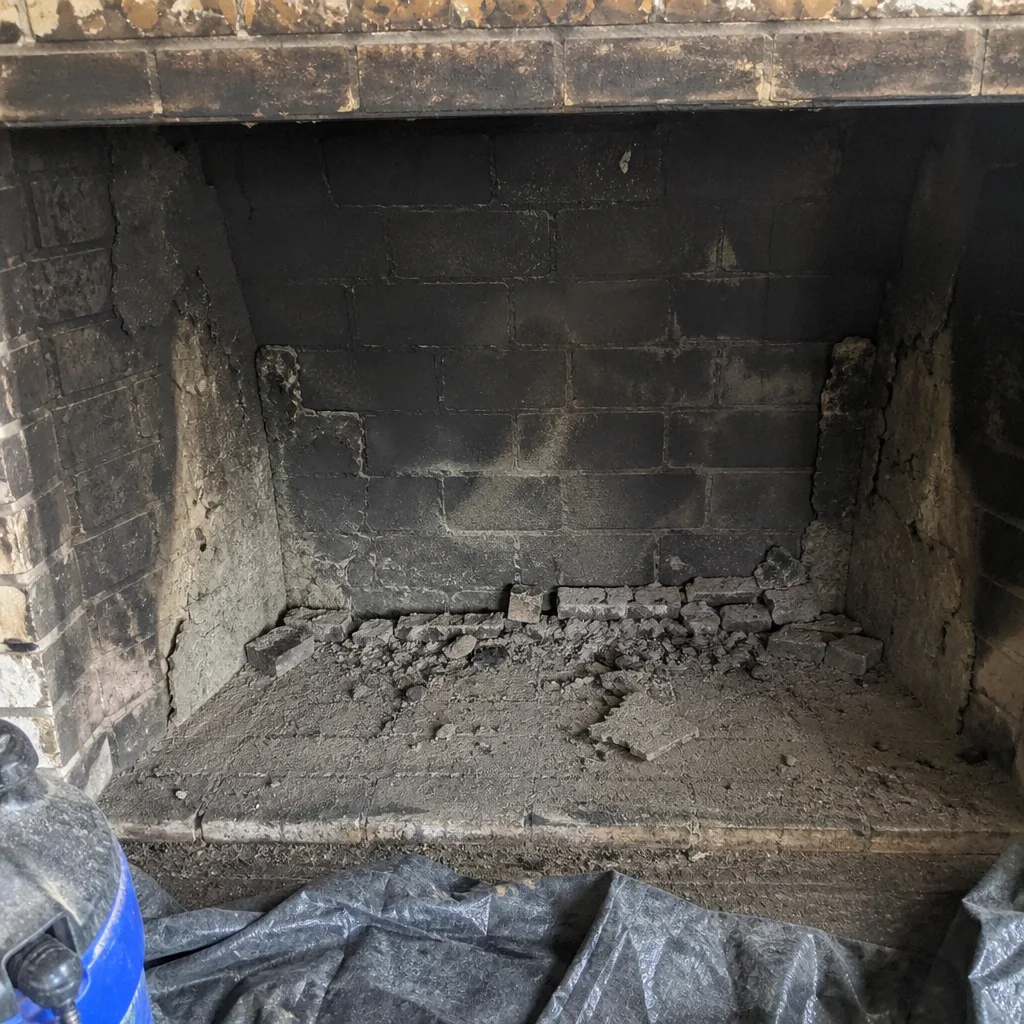
See the difference
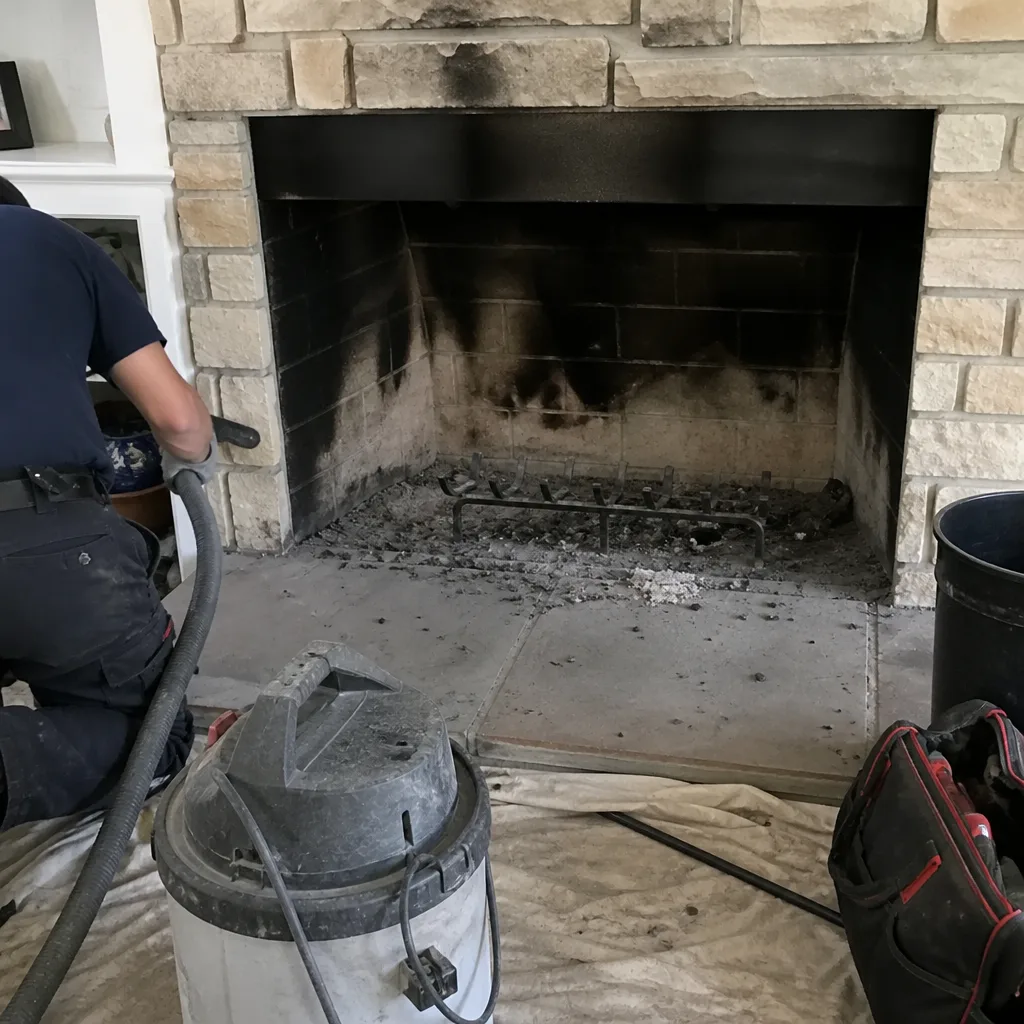 Before
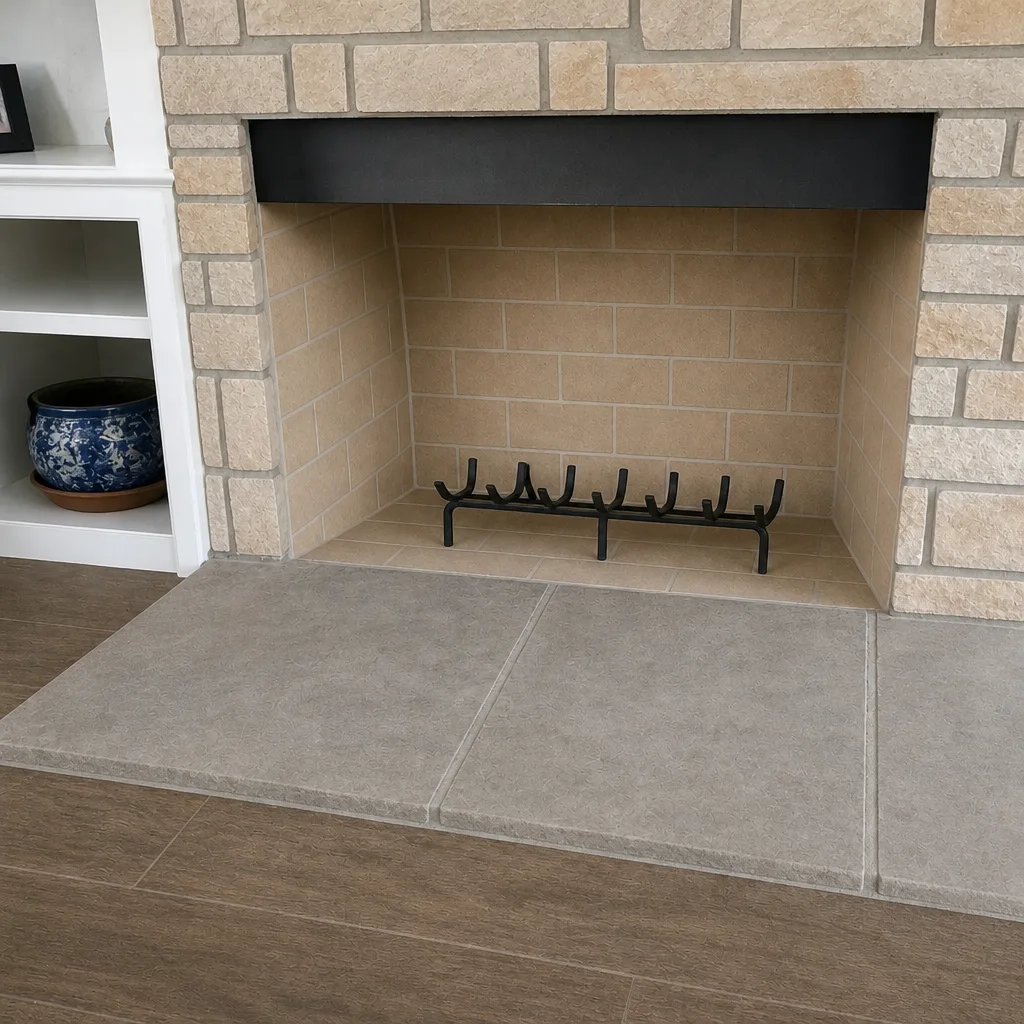 After
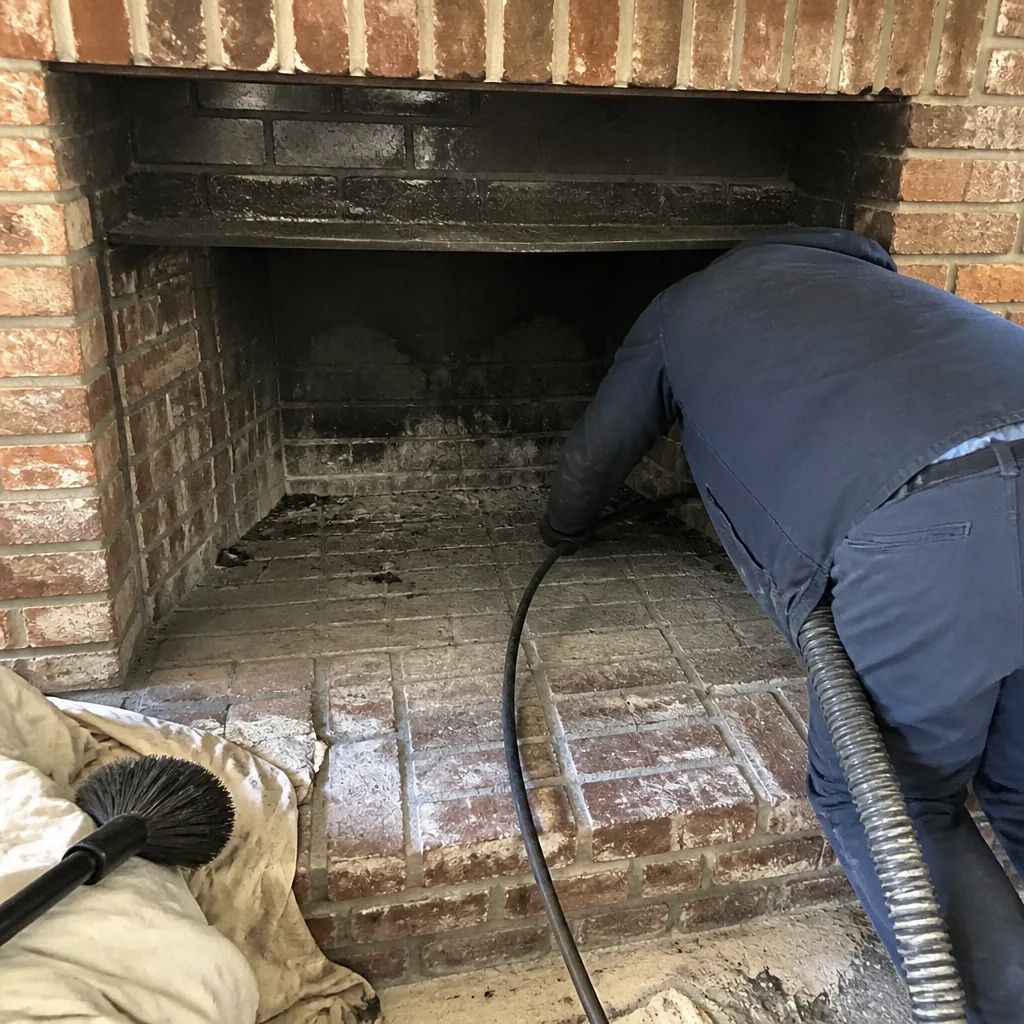 Before
 After
 Before
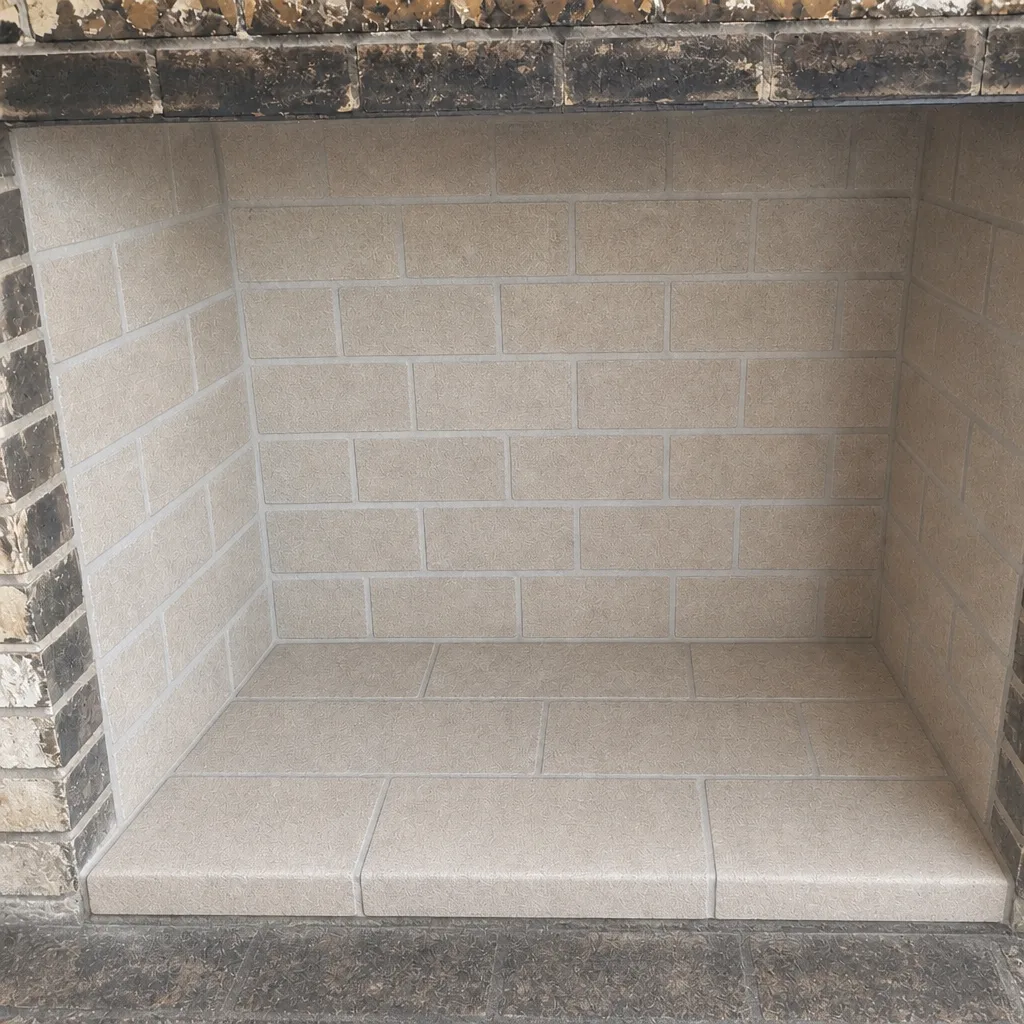 After