
Last updated November 25, 2026
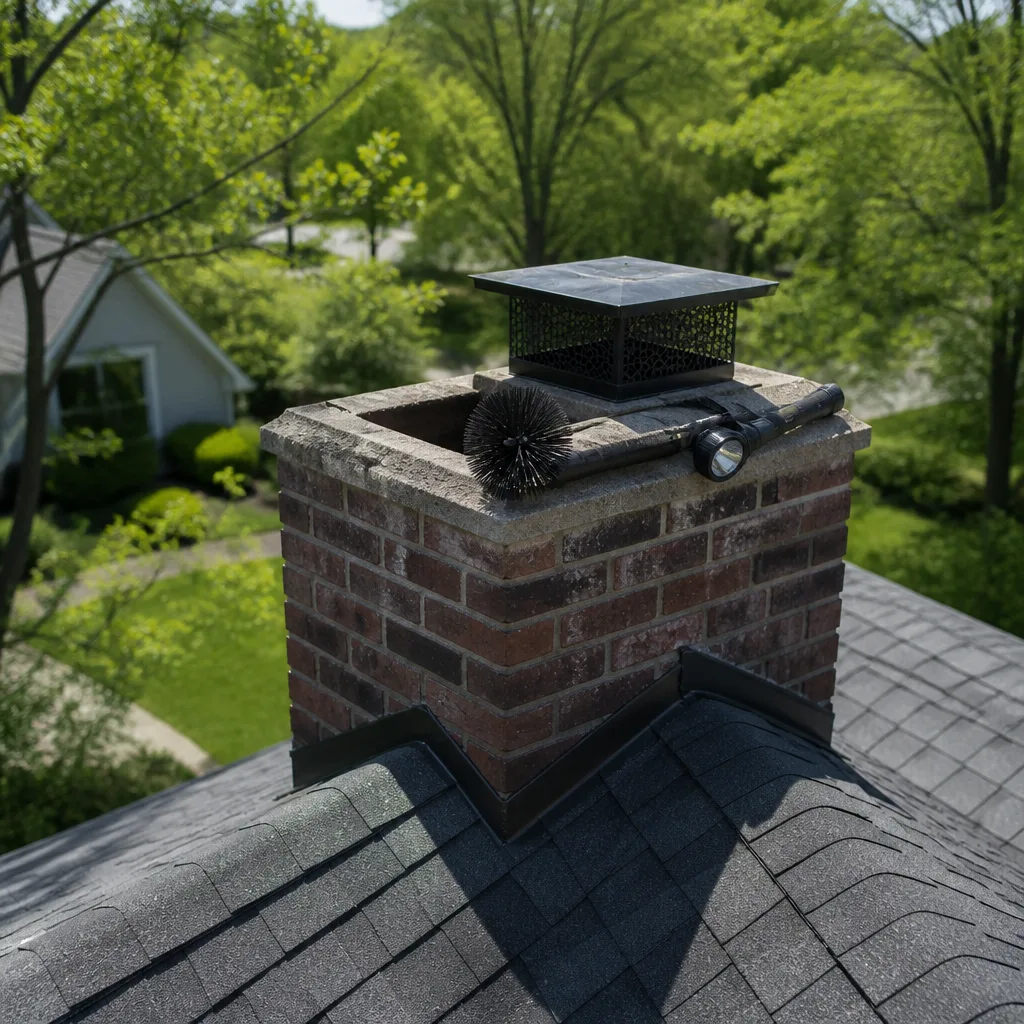 Sweep & inspection
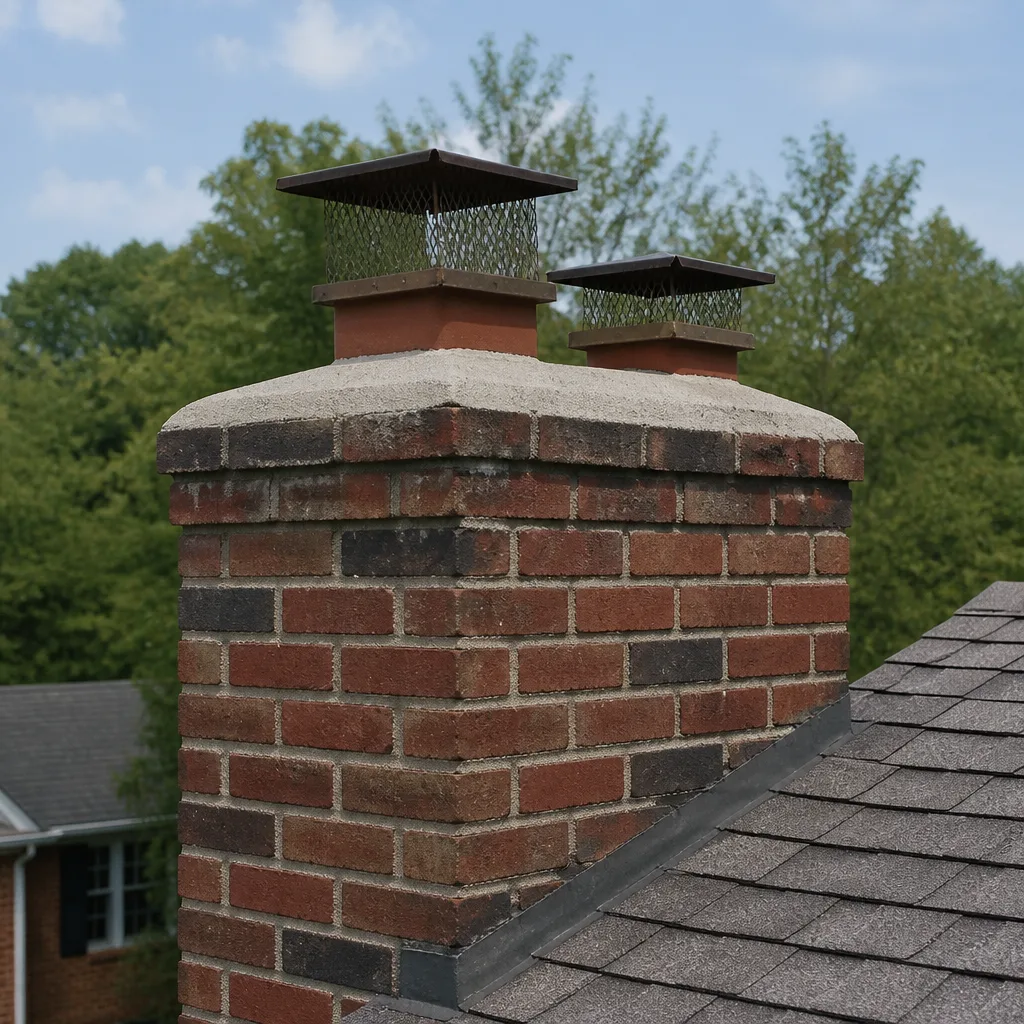 Caps & crowns
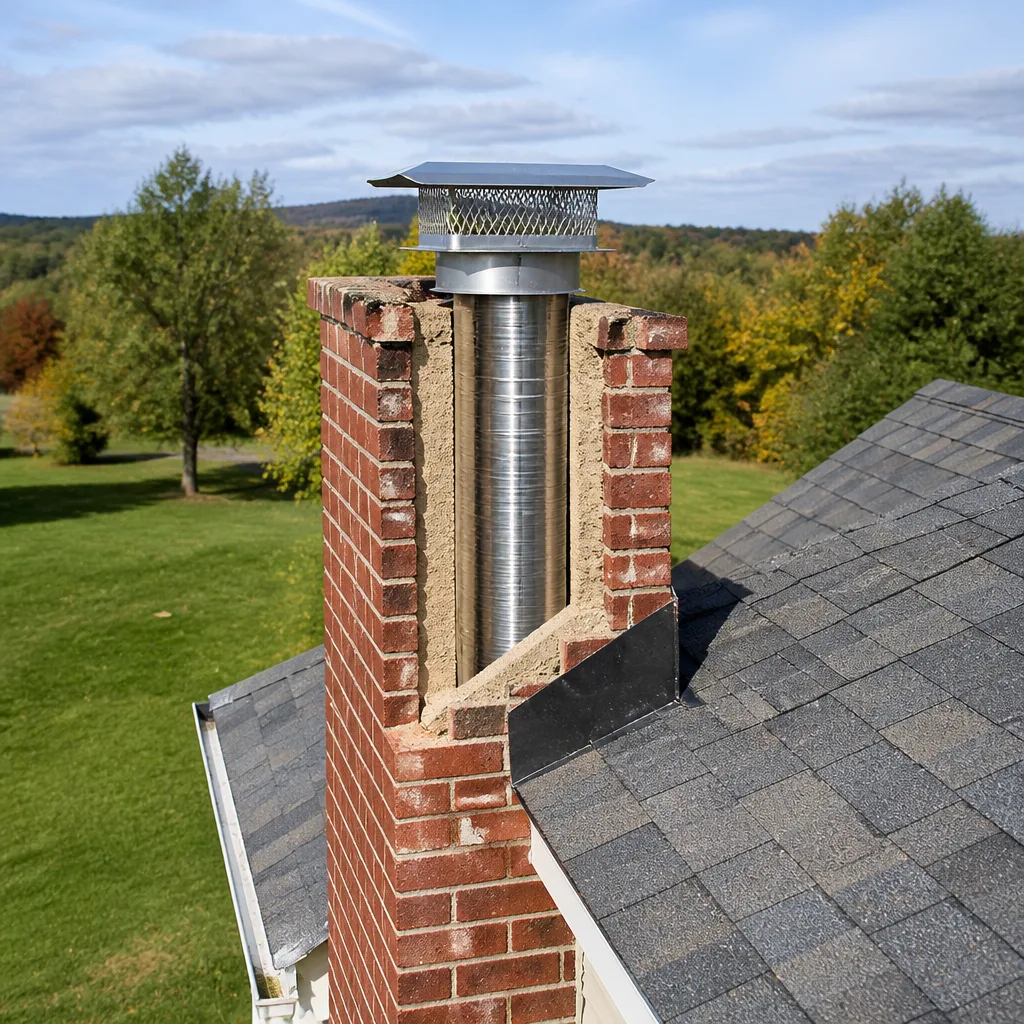 Flue relining
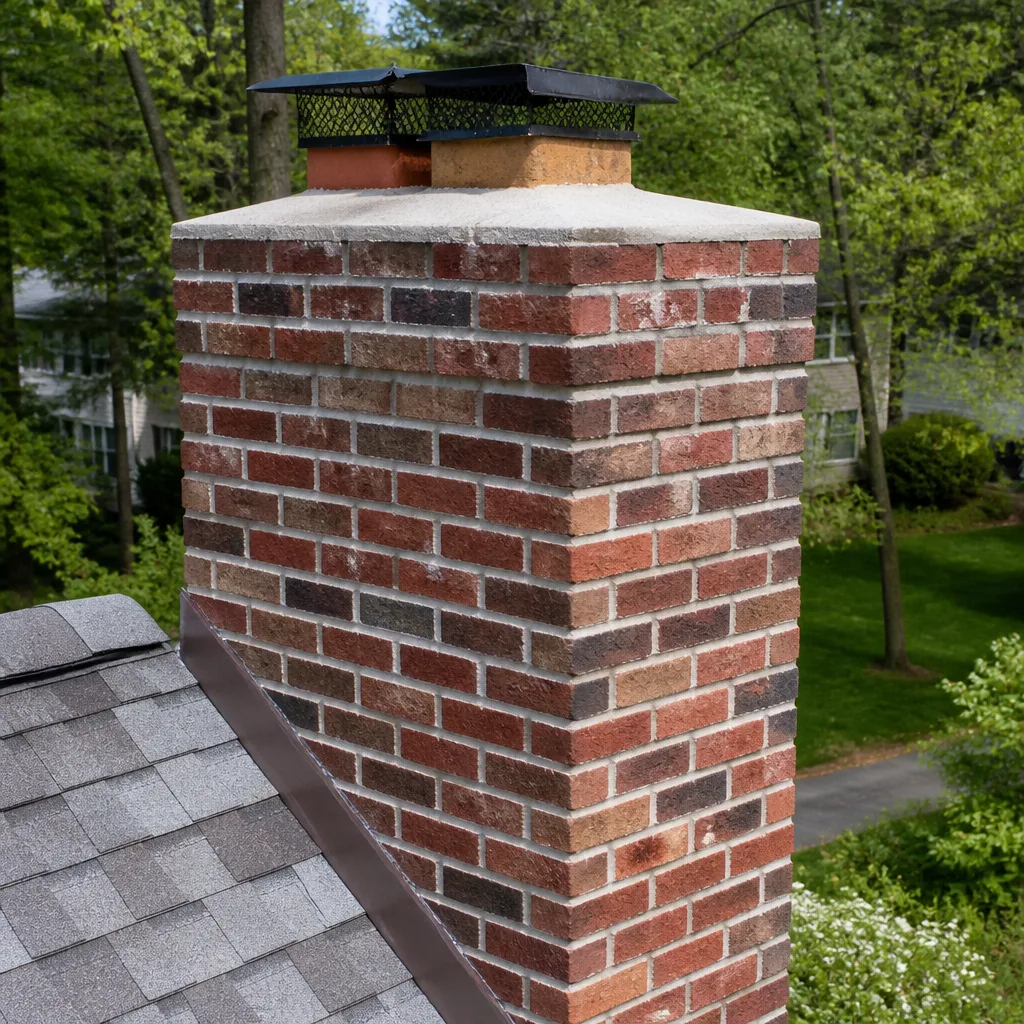 Masonry repair
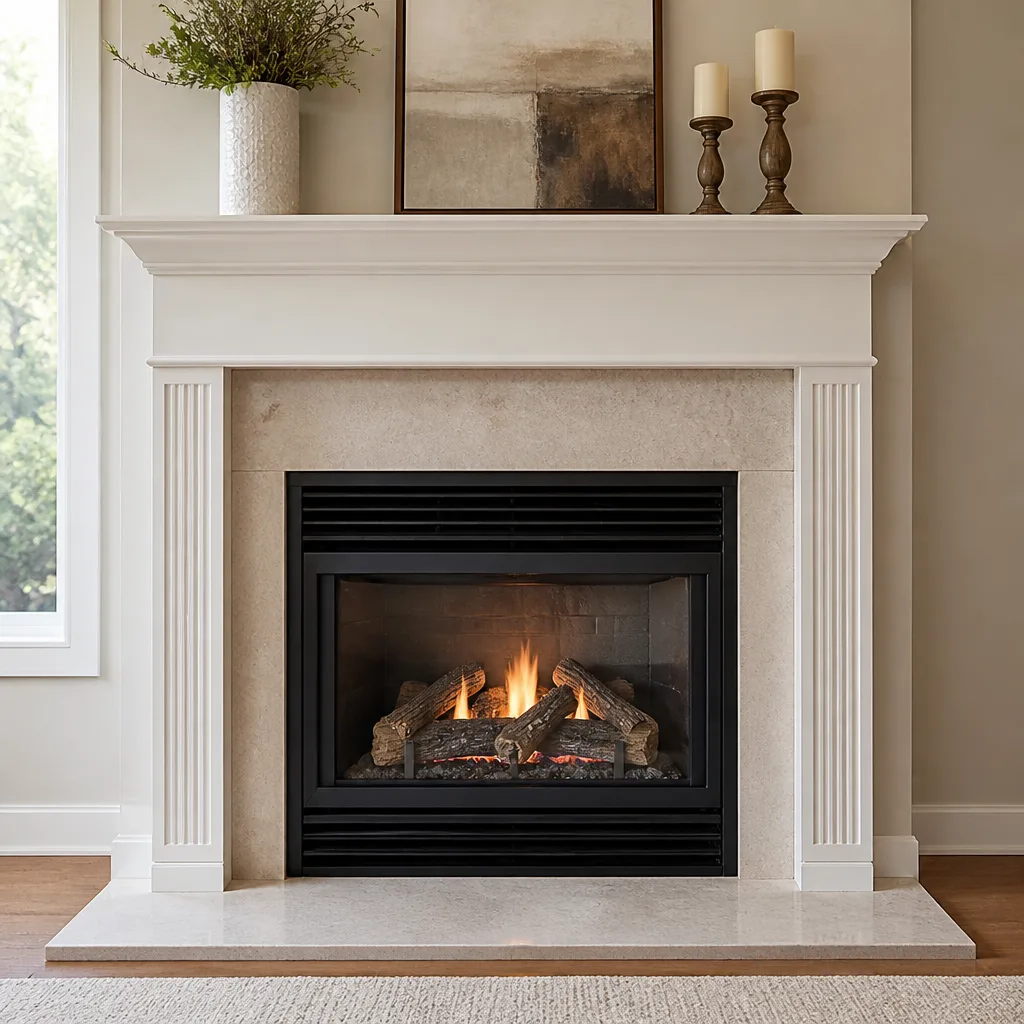 Gas fireplace service
Level 1 sweep and inspection to the NFPA 211 annual standard - flue, crown, cap, and flashing checked and photographed
Chimney sweep logs do not sweep chimneys. They loosen some creosote - which then falls where a brush and vacuum still have to collect it.
The Complete Guide to Chimney Cleaning in Fountain Valley
Most Fountain Valley homeowners use their fireplace fewer than 15 nights a year. That sounds like good news for chimney health, but infrequent use is actually one of the fastest paths to Stage 2 creosote buildup. A fire lit a handful of times each winter, in a mild climate with long damp stretches between burns, gives that creosote time to harden into a glazed, tar-like layer that a standard brush won’t touch. This guide maps the full chimney cleaning service in Fountain Valley to the conditions that actually exist here: coastal-influenced moisture, low-use fireplaces, and the specific inspection and cleaning steps that keep a flue safe.
Quick Answer
Chimney cleaning in Fountain Valley typically means an annual Level 1 inspection plus a full sweep, and it’s the right baseline for most wood-burning fireplaces here even with light use. The mild, damp climate and infrequent burning combine to create glazed creosote faster than many homeowners expect, so a yearly visit matters more than a “use it and sweep it” approach. If you notice heavy soot, a strong odor, or visible liner cracks, a Level 2 camera inspection is usually the next step.
Styles & brands we work with
- Sweep & inspection
- Caps & crowns
- Flue relining
- Masonry repair
- Gas fireplace service
Table of Contents
- Why Fountain Valley’s Mild Climate Changes Chimney Cleaning
- The Three-Level Inspection System Explained
- How Marine Air Proximity Affects Your Flue Liner
- What a Full-Service Chimney Cleaning Visit Should Include
- How to Read Your Post-Sweep Report
- How Often Should You Clean a Chimney in Fountain Valley?
- What Does Chimney Cleaning Cost in Fountain Valley?
- The Parts of a Chimney System and What Each One Does
Why Fountain Valley’s Mild Climate Changes Chimney Cleaning
In cold markets, homeowners burn wood almost every night through a long winter. The firebox stays hot, the flue stays warm, and creosote tends to deposit as a thinner, more brushable soot layer. Fountain Valley works differently. The winters are mild, so most households light a fire on a handful of cool evenings and leave the fireplace dormant the rest of the year. That pattern creates a specific creosote problem.
When a chimney is used only now and then, each fire starts with a cold flue. The smoke cools quickly before it exits the top, which lets more creosote condense on the flue walls. Between fires, the long damp downtime gives that fresh creosote months to cure and harden. Over a season or two, the soft, fluffy deposit turns into the dense, glazed Stage 2 creosote that no ordinary brush removes. A cleaning that would have been routine on a heavily used fireplace becomes a harder job on a lightly used one.
This is the counterintuitive part of chimney care in Fountain Valley: low use does not mean low risk. It often means more risk, because the buildup is harder to spot and harder to remove. What the reader should take away is simple. Frequency matters more than volume. A single annual visit catches creosote before it cures, whether you burned five fires or fifty.
Two local habits help in a mild climate. Burn fully seasoned wood so less moisture enters the flue, and open the damper fully before lighting so the flue warms fast and draws well. Neither replaces a real sweep, but both slow the rate at which glaze forms.
The Three-Level Inspection System Explained
The chimney industry uses a three-level inspection standard, and knowing the difference helps Fountain Valley homeowners avoid paying for more inspection than a working fireplace needs, or settling for less than an older home requires. Every cleaning visit starts with an inspection, and the level depends on what the technician is trying to determine.
- Level 1 Inspection. This is the visual check that comes with a standard annual sweep. The technician examines the accessible parts of the firebox, damper, flue, and cap with a flashlight, without any special tools. A Level 1 is the right annual baseline for a fireplace that’s in regular service and has no history of problems.
- Level 2 Inspection. This adds a video camera run through the flue, giving a look at the liner interior, joints, and offsets that a visual check can’t reach. A Level 2 is what a Fountain Valley home needs after a change in the system (a new liner or appliance), after a chimney fire, when buying or selling a home, or when you’ve noticed cracks or unusual odors. It’s also the standard inspection for an older home whose liner history is unknown.
- Level 3 Inspection. This is a diagnostic inspection that may involve opening a wall or removing part of the chimney to reach a hidden problem a camera couldn’t resolve. It’s reserved for serious structural questions, not routine maintenance.
For most Fountain Valley households burning a wood fireplace now and then, the annual visit is a Level 1 plus a sweep. The moment there’s a reason to look deeper, a Level 2 camera inspection is the smart move, and it’s the one most real estate transactions call for. If a technician recommends a Level 3, ask exactly what was seen that a camera couldn’t answer.
How Marine Air Proximity Affects Your Flue Liner
Fountain Valley sits about five miles from the coast, close enough that marine air pushes inland and keeps the local atmosphere moister than most inland Southern California cities. That humidity matters for the flue, and it’s a factor many cleaning operators outside the area don’t account for. Moisture and the acidic byproducts of combustion together are what corrode a metal liner from the inside out.
A wood-burning flue produces water vapor and mildly acidic residue as it burns. When a flue is used often, the heat drives that moisture out the top. When a flue is used a few nights a year in a damp climate, moisture lingers. Over time that constant wet-dry exposure attacks the inner surface of a metal flue liner and can weaken mortar in a clay-lined chimney. On a Fountain Valley home near the coast, the practical concern is liner corrosion, not winter freezing, because the winters simply aren’t cold enough to cause freeze-related damage.
What to watch for:
- White, chalky staining or flaking on the liner, which signals moisture-related corrosion or efflorescence in the masonry.
- Rust streaks or pitting on a metal liner, visible on a Level 2 camera inspection.
- A persistent musty smell in the firebox between burns, which points to trapped moisture.
- Loose or crumbling mortar in the smoke chamber, which weakens the whole flue assembly.
When a liner is corroded but not failing, HeatShield resurfacing can restore the damaged flue interior without the cost of a full liner replacement. When the liner is past saving, a DuraFlex flexible liner system gives the flue a code-compliant interior that handles the moisture load properly. Either way, the fix is targeted to what the camera actually shows, not to what a sales sheet assumes.
What a Full-Service Chimney Cleaning Visit Should Include
A proper chimney cleaning is more than a brush down the flue. The difference between a specialist visit and a budget sweep lies in what gets inspected, documented, and protected during the job. Here’s what a complete visit involves.
- Protect the room first. Drop cloths and a sealed work area keep soot off your floors and furniture. A crew that skips this step usually skips others.
- Inspect before cleaning. The technician checks the firebox, damper, smoke chamber, flue, and cap, and notes anything that looks wrong before a brush touches the flue.
- Sweep the full flue. The brush runs the whole length of the flue, not just the smoke chamber, with a vacuum running to contain dust.
- Clean the firebox and smoke chamber. Soot collects in the smoke chamber shelf and around the damper. A real sweep removes it.
- Check the cap, crown, and flashing. These are the weather-protection parts of the system. A cracked crown or missing cap lets water in, which is the leading cause of chimney damage in a damp climate.
- Provide a written report with photos. You should get a clear record of what was cleaned, what was found, and what, if anything, needs attention.
What budget operators skip: the smoke chamber, the cap and crown inspection, and the written report. Those are the three things that separate a maintenance visit from a real safety check, and they’re the reason a cheap sweep often costs more later. When in doubt, ask what the visit covers before it’s booked.
How to Read Your Post-Sweep Report
The report you get after a sweep is where the real value sits, and it’s also where homeowners most often get talked into work they can’t verify. Learning to read it protects you. A good report is specific: it names what was found, where, and how bad it is, and backs the findings with photos from the camera inspection.
Red-flag language to watch for:
- “Your liner is shot, you need a full replacement” with no photo. Without a camera image of the interior, that claim is unverifiable. Ask to see the footage.
- “We found glazed creosote, it’s a fire hazard” with no stage or location given. A credible report tells you what stage the creosote is and where it sits, so you understand what you’re dealing with.
- “The crown is cracked, it needs to be rebuilt” when a repair will do. Some crown damage is genuinely structural and needs rebuilding; a lot of it is surface cracking that a proper repair handles. Ask which it is.
- “Book the repair now or it gets worse” pressure. Some issues can safely wait; others shouldn’t. A specialist tells you plainly which category a finding falls into.
The counter to all of this is documentation. Every recommendation we make is tied to camera evidence you can see for yourself. If you want a second look, or you’re the buyer or seller in a transaction, a chimney sweep combined with a Level 2 camera inspection puts the whole system on record so an inspector, agent, or contractor can read it. You shouldn’t have to take a technician’s word for a multi-thousand-dollar finding. The photo or video should show it.
How Often Should You Clean a Chimney in Fountain Valley?
Once a year is the right baseline for most Fountain Valley fireplaces, even those used lightly. The mild climate and infrequent burning mean creosote cures slowly between fires, so an annual visit catches buildup before it glazes. The “sweep when you’ve burned a cord of wood” rule of thumb many cold-climate homeowners follow doesn’t fit here, because most local households burn far less than a cord.
Adjust the schedule if any of these apply:
- You notice a strong odor or heavy soot inside the firebox.
- You’ve had a chimney fire, even a small one you put out yourself.
- You’re buying or selling a home and the inspection report flagged the system.
- You’ve changed the fireplace, added a stove, or switched fuels.
- You see visible cracking or missing pieces on the cap or crown.
Gas fireplaces need less frequent sweeping than wood, but they still benefit from a periodic inspection to check venting and the cap, so the annual visit isn’t wasted on a gas-only home. For the full scope of maintenance, the Chimney Sweep Fountain Valley service pages lay out the whole arc from inspection through repair. If your sweep turns up a structural finding, that falls under chimney repair rather than cleaning, and the two are handled together so nothing gets lost between visits.
What Does Chimney Cleaning Cost in Fountain Valley?
Chimney cleaning in Fountain Valley typically runs $185 to $325 for a standard wood-burning fireplace with a Level 1 inspection included. A Level 2 camera inspection usually adds $150 to $300, and repair work such as crown rebuilding, cap replacement, or resurfacing is quoted separately based on what the camera finds. These are estimates; the written estimate you receive before any work is the final word on price.
| Service | Typical Range |
|---|---|
| Standard sweep with Level 1 inspection | $185 – $325 |
| Level 2 camera inspection (added) | $150 – $300 |
| Chimney cap replacement | $250 – $550 |
| Crown repair or rebuild | $450 – $1,200 |
| HeatShield flue resurfacing | Quoted from inspection |
| DuraFlex liner installation | Quoted from inspection |
Two things to know about pricing. First, the estimate is free and set per job, so you know the number before any work starts. Second, a low advertised sweep price often hides upcharges for the smoke chamber, the cap inspection, or the report. Ask what’s included before booking so the number you see is the number you pay. Call (877) 792-7543 for an exact quote; estimates are free. We answer 24/7. Fast dispatch from 7am to 7pm, Sunday through Friday.
The Parts of a Chimney System and What Each One Does
Cleaning protects the whole assembly, so it helps to know what the assembly is made of. Each part plays a role, and a good inspection checks them all.
- Firebox and damper. The firebox holds the fire; the damper controls draft and closes off the flue when the fireplace is idle. A damper that won’t seal lets warm, moist indoor air leak up the flue year-round in a mild climate, which adds to the moisture problem.
- Smoke chamber. The transition between the firebox and the flue. It’s where soot settles and where budget sweeps often quit early.
- Flue and liner. The flue carries smoke and gases up and out. The liner is its protective interior, and its condition is what a camera inspection reveals. A damaged liner allows heat and gases into the surrounding structure, so it matters for safety and code compliance.
- Crown. The concrete top that sheds water off the masonry. A cracked crown is a common way water gets in and starts structural damage.
- Cap and flashing. The cap keeps rain, debris, and animals out of the flue; flashing seals where the chimney meets the roof. Caps and covers from Gelco and Famco are the parts that hold up over time, which is why we source them.
Cleaning, waterproofing, and structural protection work together. The climate here puts steady moisture pressure on the crown, cap, and liner, so those three parts deserve a check on every visit. A clean flue is only half the story; a sound cap, crown, and liner are what keep it clean and safe. If the fireplace itself needs attention, fireplace repair covers the firebox, damper, and surround work that falls outside the flue.
Common Mistakes to Avoid
- Assuming low use means less maintenance. As this guide explains, a lightly used Fountain Valley fireplace can accumulate glazed creosote faster than a heavily used one. Yearly cleaning still applies.
- Hiring the cheapest advertised sweep. A cut-rate price usually skips the smoke chamber, the cap and crown check, or the written report. Those are the parts that catch real problems.
- Skipping the camera inspection after a flagged report. Without a Level 2 look, a “damaged liner” finding can’t be verified. Ask for the footage before agreeing to major work.
- Burning unseasoned or wet wood. Green wood puts more moisture up the flue in a damp climate, which speeds corrosion and glazed creosote. Season it or buy seasoned.
- Ignoring a cracked crown or missing cap. In Fountain Valley, water intrusion through the top is the most common path to expensive chimney damage. A small fix now prevents a rebuild later.
- Letting an old, unlined flue run without a check. An older home may have a flue with no liner or a deteriorated clay liner. That’s a code and safety question for a camera inspection, not a cleaning.
- Treating a chimney inspection as a one-time event. Conditions change with moisture and use. The annual visit is how you catch the change before it becomes a repair.
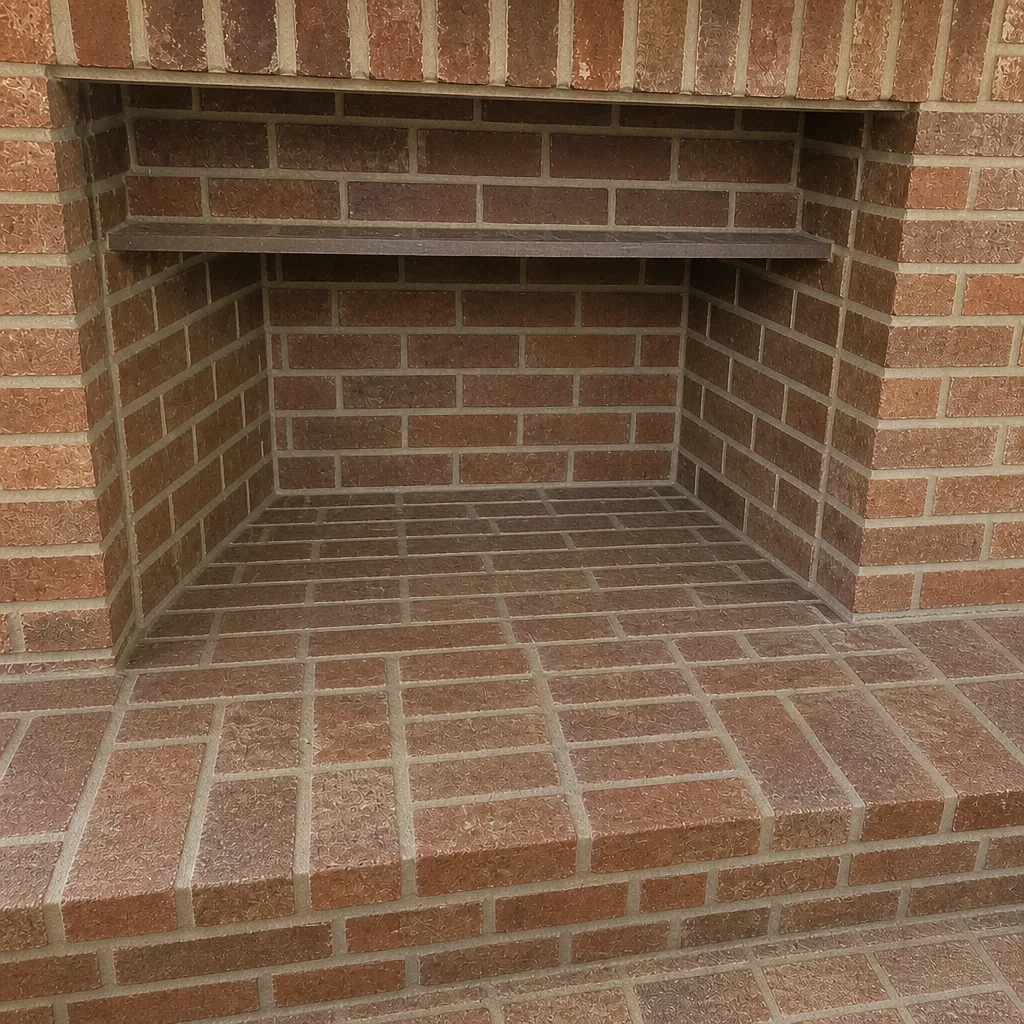
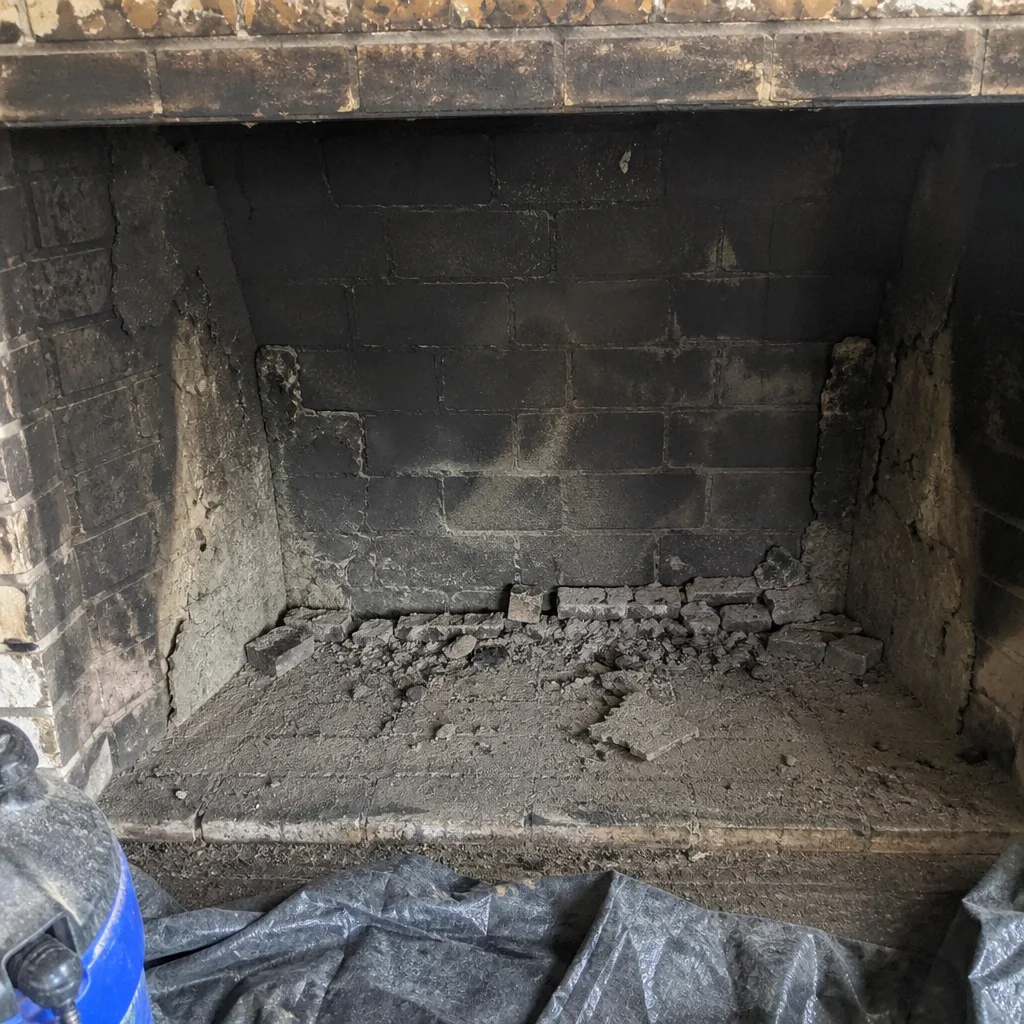
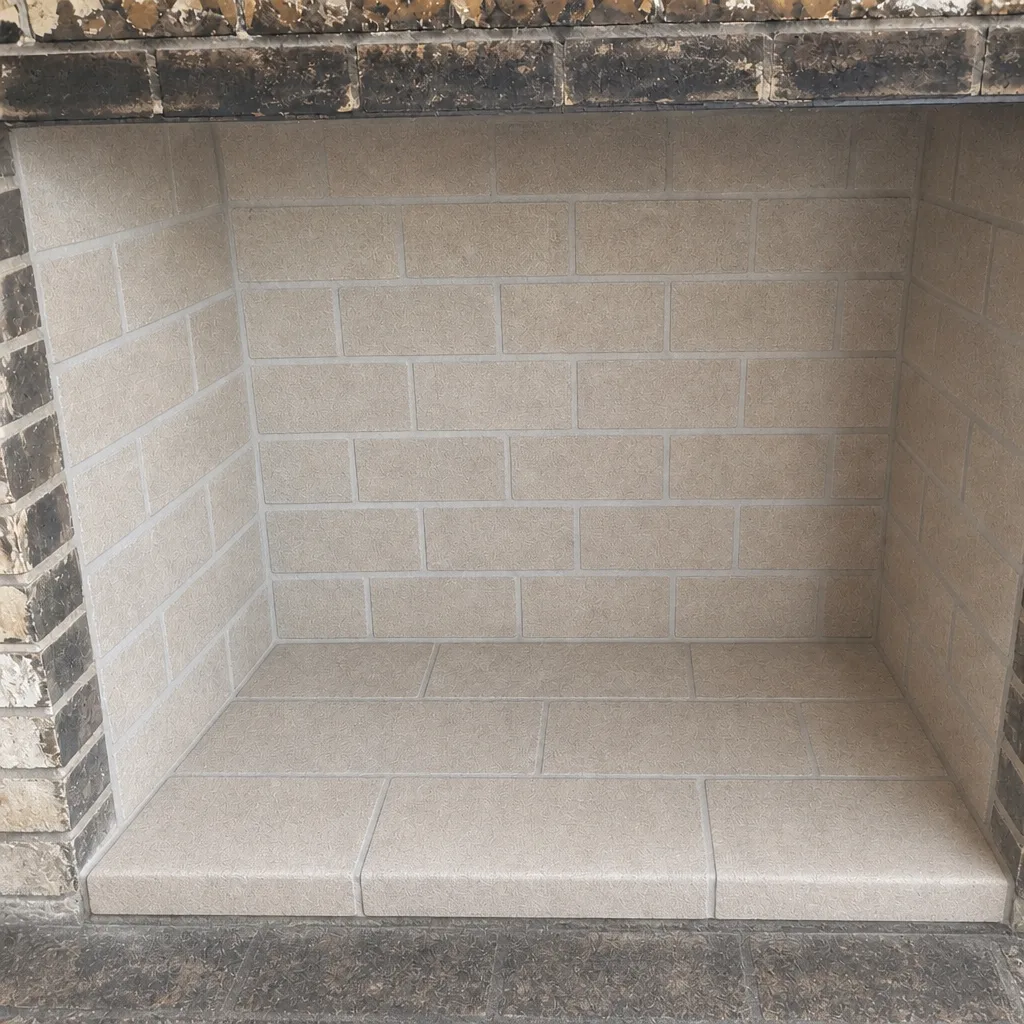
See the difference
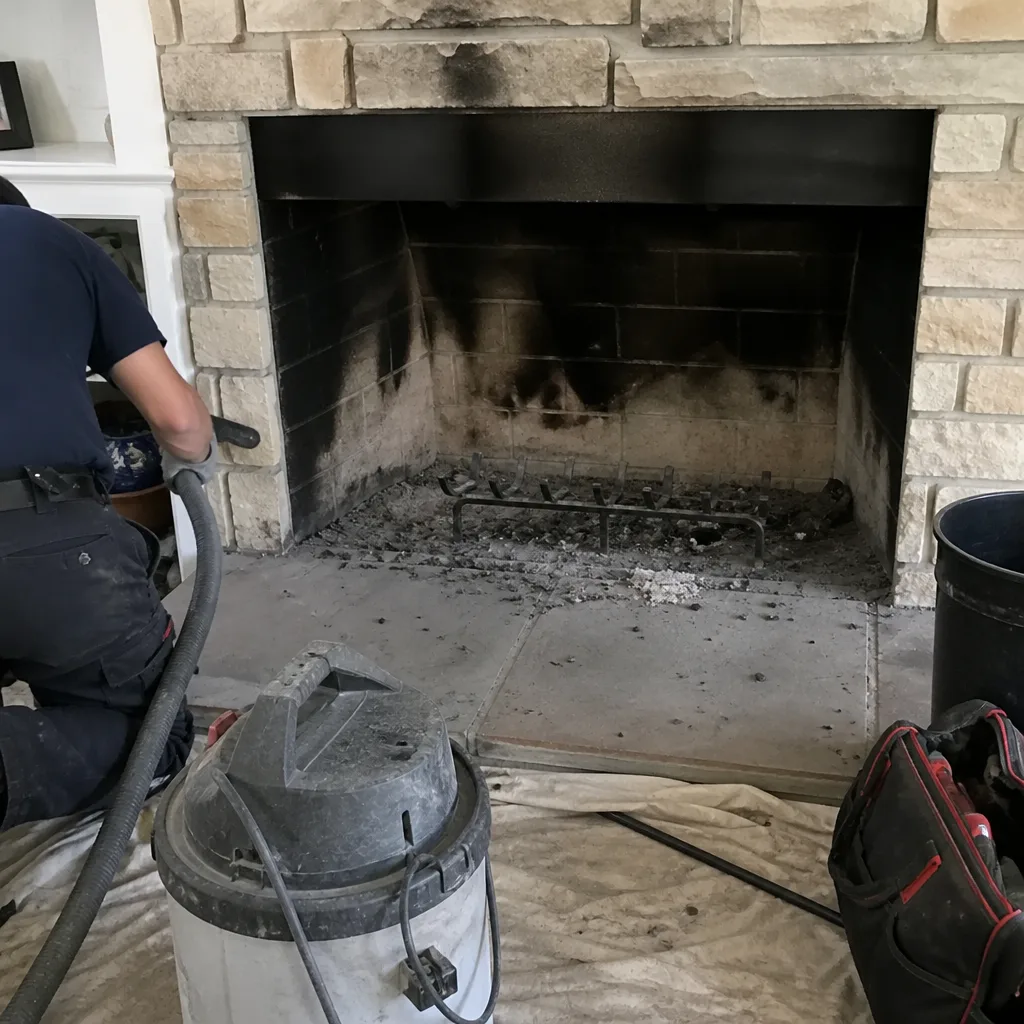 Before
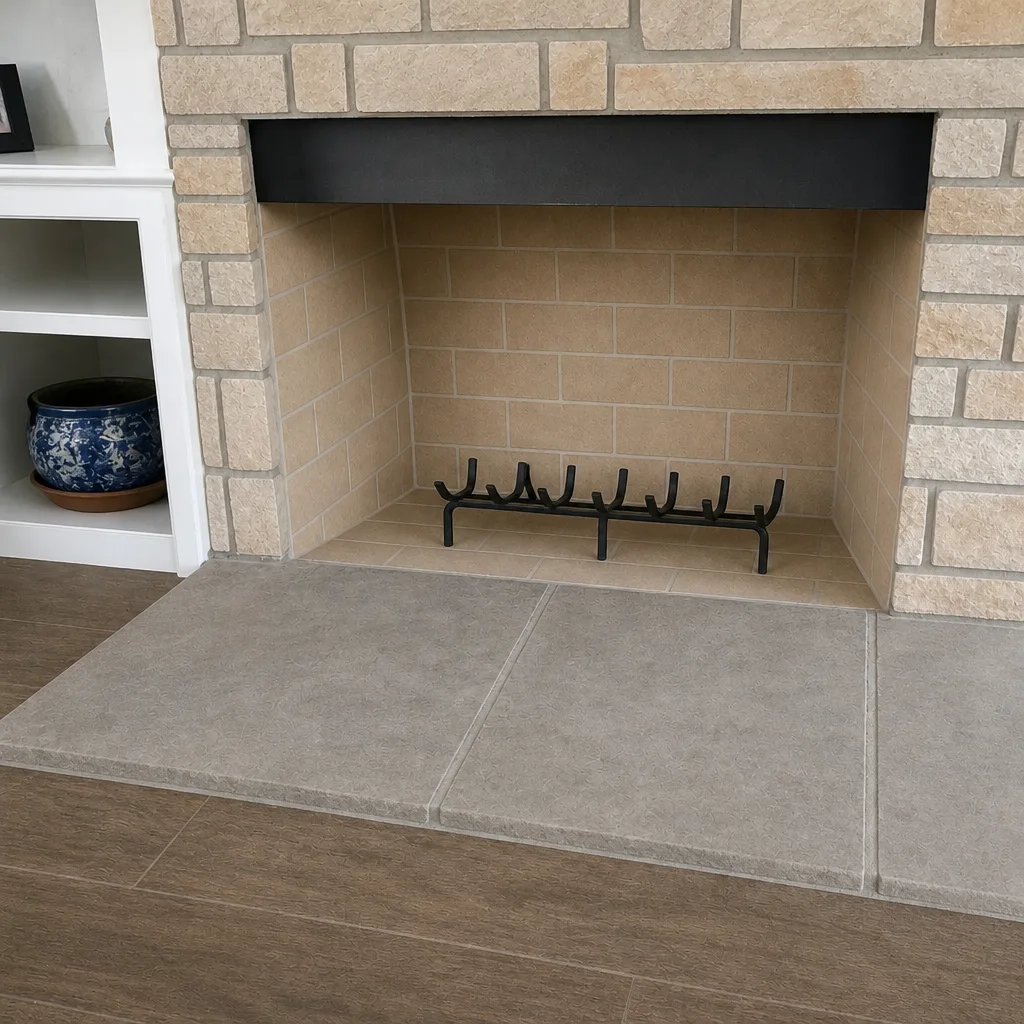 After
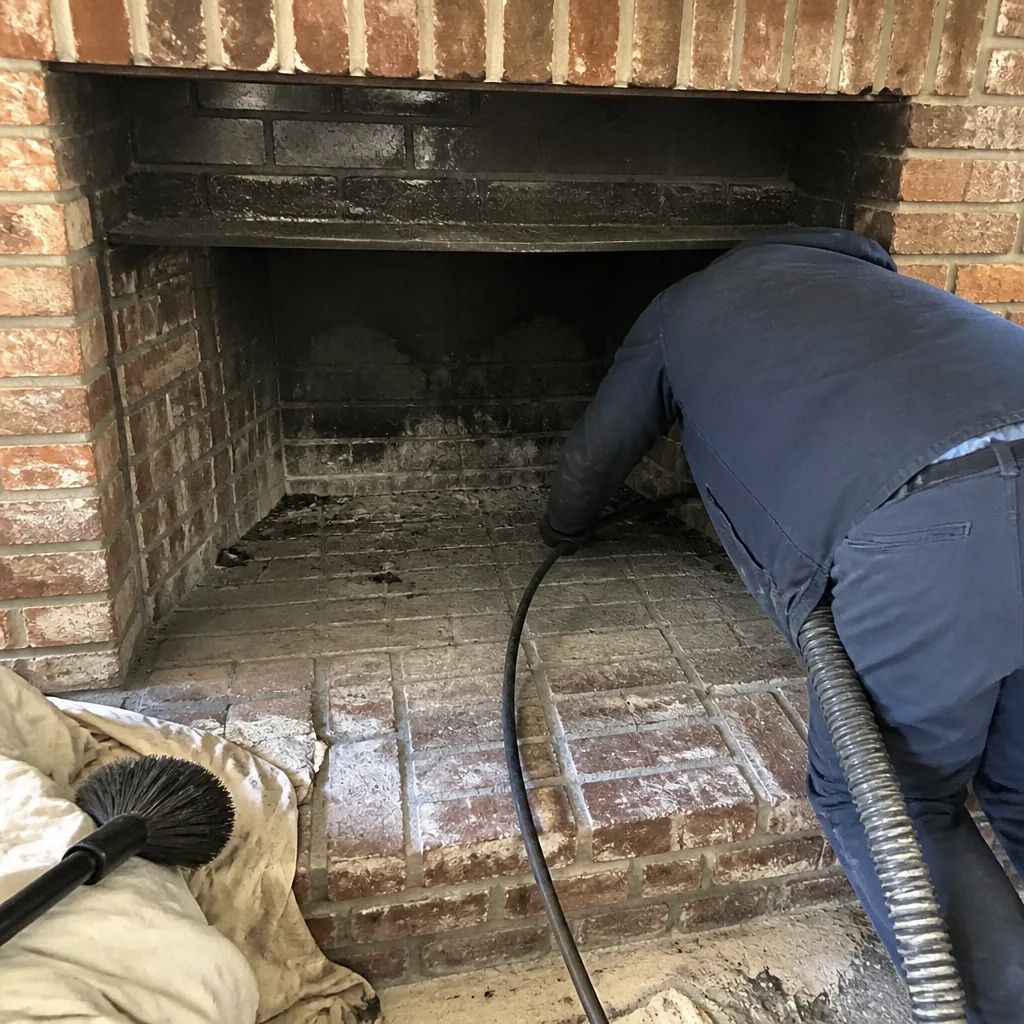 Before
 After
 Before
 After
When to Call a Professional
Call a professional when you see or smell something you can’t explain, or when it’s time for the annual visit. Specific triggers for Fountain Valley homeowners: a strong creosote odor in the firebox, visible soot on the firebox walls, a cracked or missing cap, a damper that won’t seal, white chalky deposits or rust on the liner, a musty smell between burns, or a real estate inspection that flagged the chimney. If you’ve had a chimney fire, even a small one you put out yourself, schedule an inspection before burning again. And if the flue is older than the rest of the system or its history is unknown, a camera inspection is the place to start. Chimney Sweep Fountain Valley offers free estimates in Fountain Valley. Call (877) 792-7543. We answer 24/7. Fast dispatch from 7am to 7pm, Sunday through Friday.
Frequently Asked Questions
A standard sweep with a Level 1 inspection typically runs $185 to $325 in Fountain Valley, with a Level 2 camera inspection adding $150 to $300 and repair work quoted separately. Those are estimates; your written estimate sets the final price before any work starts. Call (877) 792-7543 for an exact quote; estimates are free.
Once a year is the right baseline for most Fountain Valley fireplaces, even those used only a few nights each winter. The mild, damp climate lets creosote cure between fires, so an annual visit catches it before it glazes. If you’ve had a chimney fire or notice heavy soot or odor, bring the next visit forward. Call (877) 792-7543 to book an annual sweep.
Not always. A corroded or cracked flue can sometimes be restored with HeatShield resurfacing instead of a full liner replacement, and a deteriorating but intact liner may need nothing more than monitoring. The answer depends on what a camera inspection shows, so ask to see the footage before agreeing to replacement. Call (877) 792-7543 for a camera inspection and a free estimate.
Because infrequent use is one of the fastest paths to glazed creosote. Each fire starts with a cold flue, so more creosote condenses, and the long damp stretches between fires let it harden into a layer a standard brush won’t remove. Light use in a mild climate calls for a yearly cleaning, not a lighter schedule.
Fountain Valley sits about five miles inland, close enough that marine moisture reaches the flue. Combined with acidic combustion residue, that moisture can corrode a metal liner from the inside and weaken mortar in a clay-lined chimney over time. A camera inspection is how you see it happening. Call (877) 792-7543 to schedule one.
The buildup keeps curing into hard, glazed creosote that’s more likely to ignite, and moisture keeps working on the liner and masonry. A skipped year doesn’t always mean immediate danger, but it does mean the next cleaning is harder and the odds of a real repair go up. Call (877) 792-7543 to get back on schedule with a free estimate.
The Bottom Line
Chimney cleaning in Fountain Valley isn’t a copy of a cold-climate routine. The mild weather and light use here change the creosote and moisture picture, which makes the annual visit more important, not less. The core points: yearly sweep from a specialist, a Level 2 camera inspection whenever the system’s history is unclear, and a skeptical eye on any recommendation that comes without photo evidence. HeatShield and DuraFlex handle liner problems when they’re real; Gelco and Famco caps and proper crown work keep them from coming back. Read the post-sweep report carefully, ask what’s included before booking, and treat a camera image as the standard you expect.
If it’s time for this year’s visit, or a real estate inspection flagged your chimney, Chimney Sweep Fountain Valley offers free estimates in Fountain Valley. Call (877) 792-7543. We answer 24/7. Fast dispatch from 7am to 7pm, Sunday through Friday.
Written by the team at Chimney Sweep Fountain Valley.