
Last updated November 25, 2026
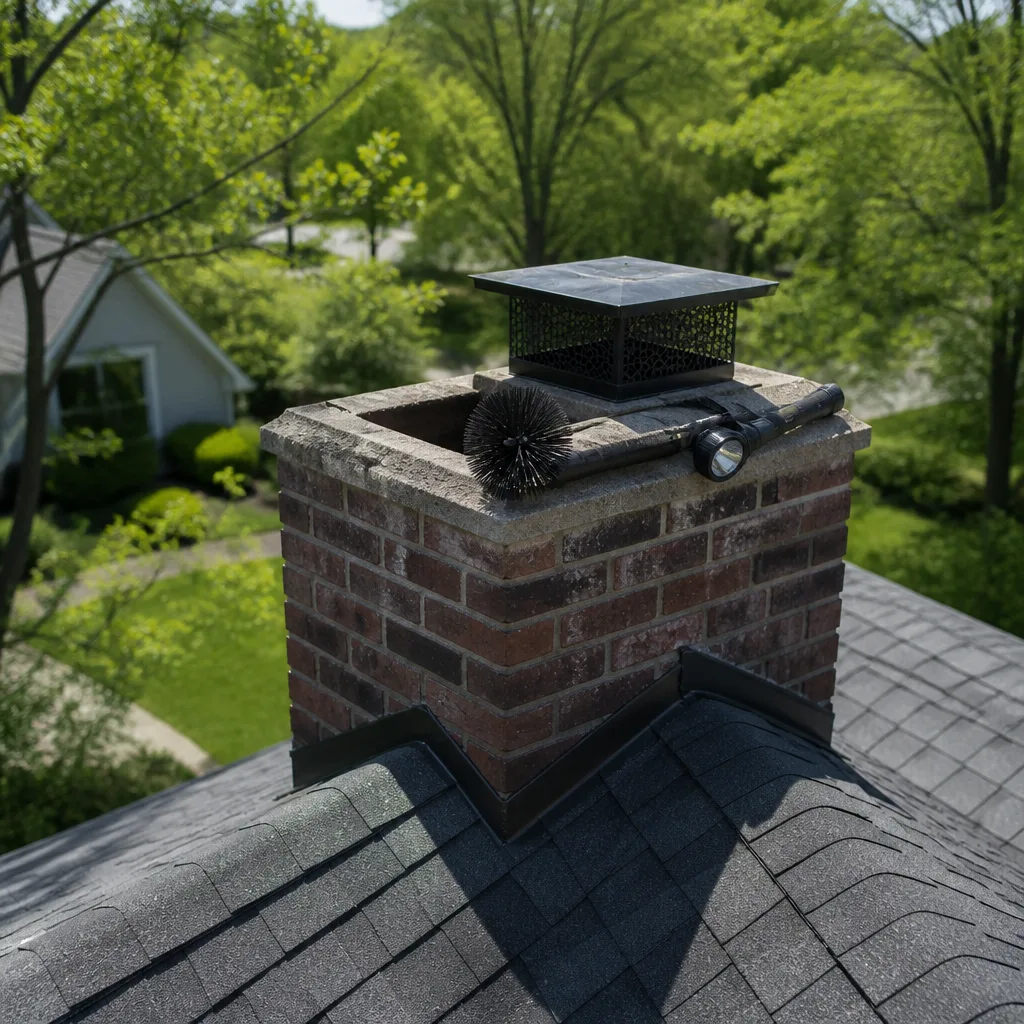 Sweep & inspection
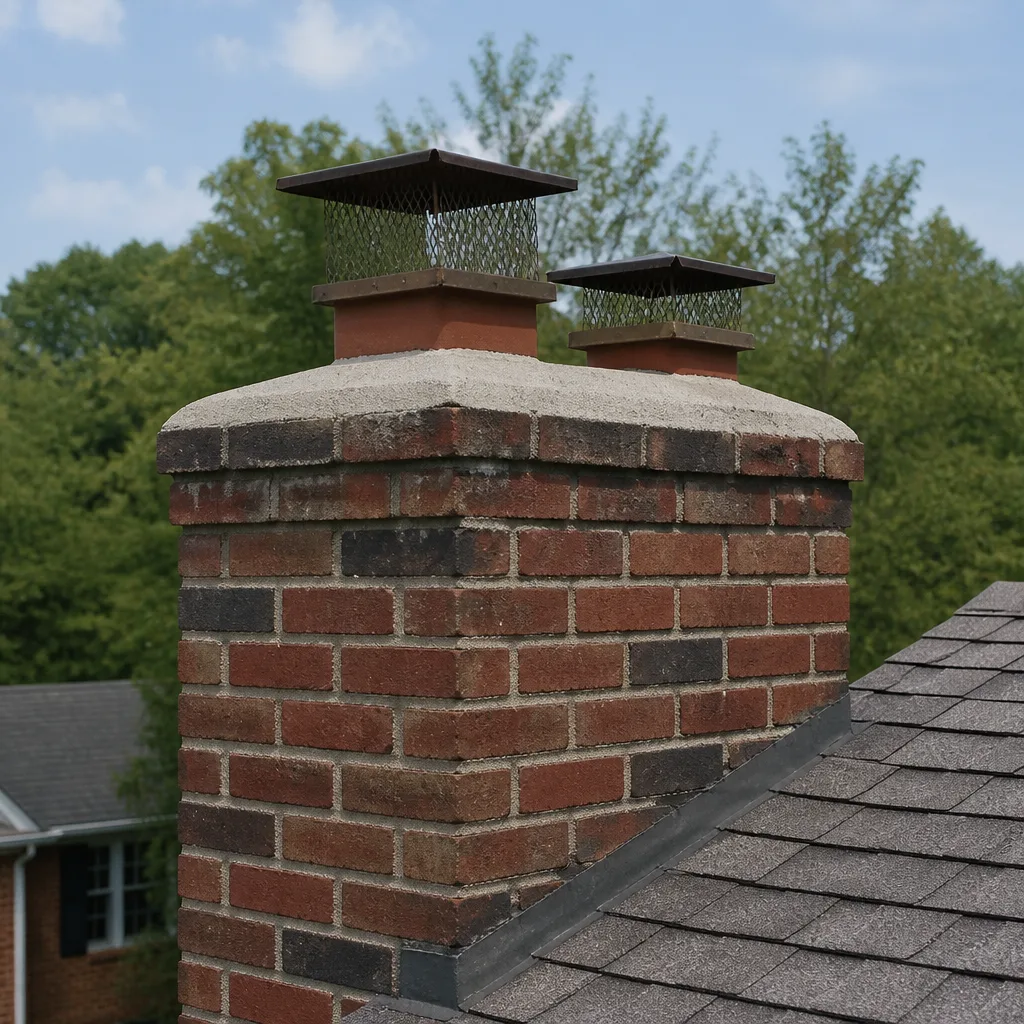 Caps & crowns
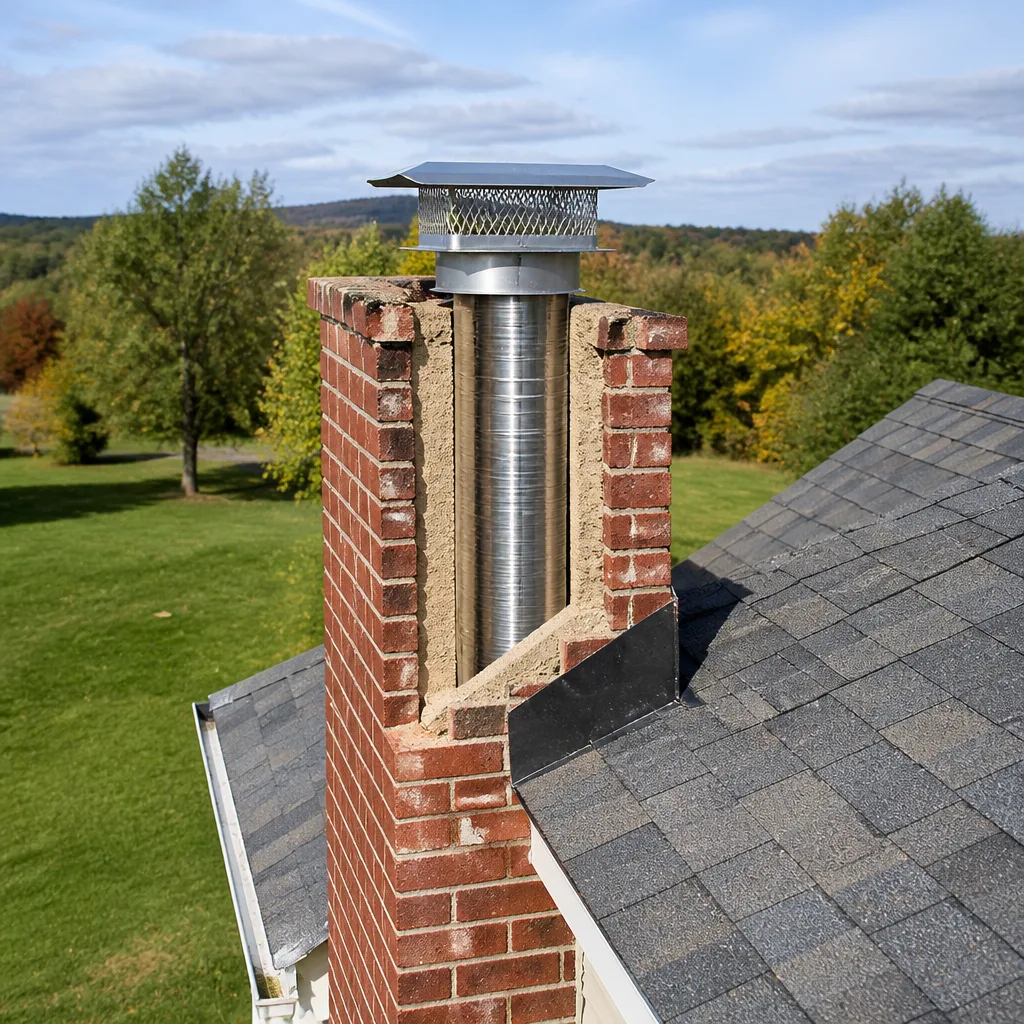 Flue relining
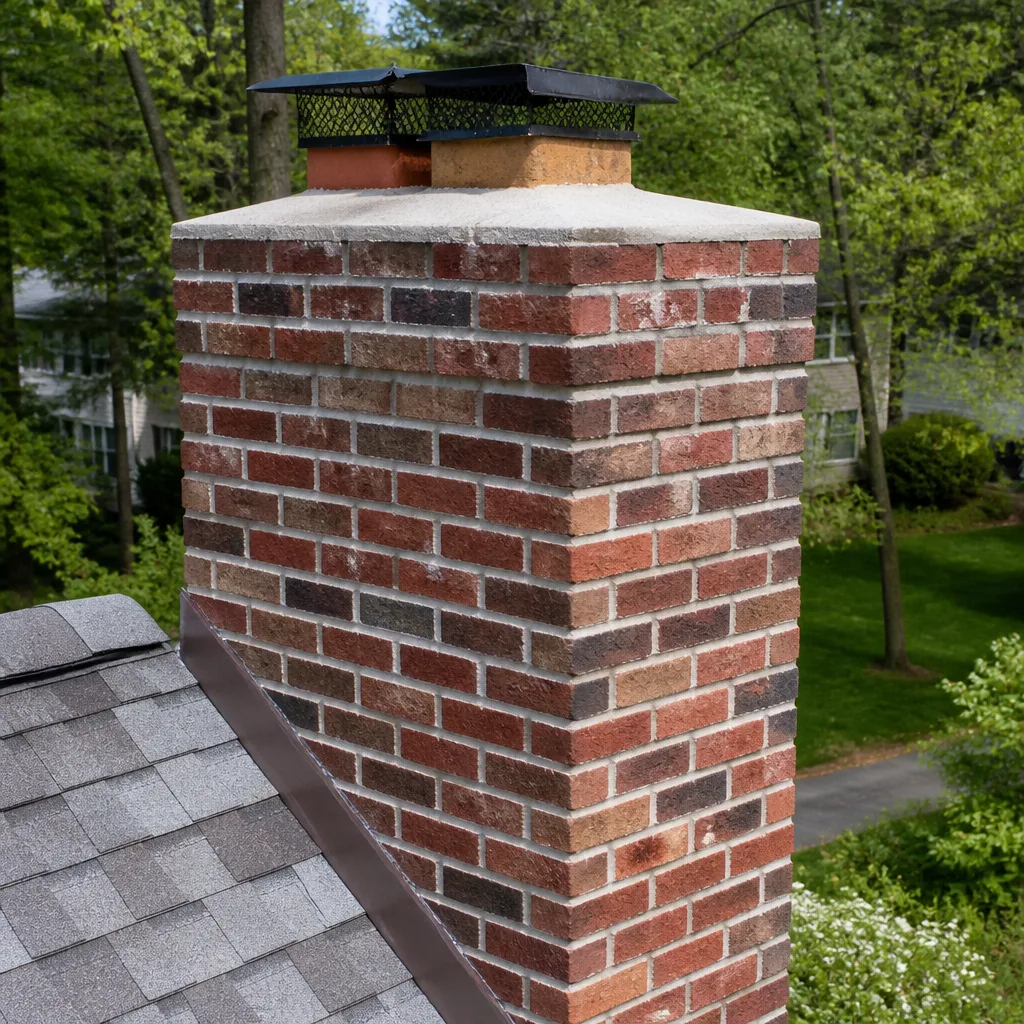 Masonry repair
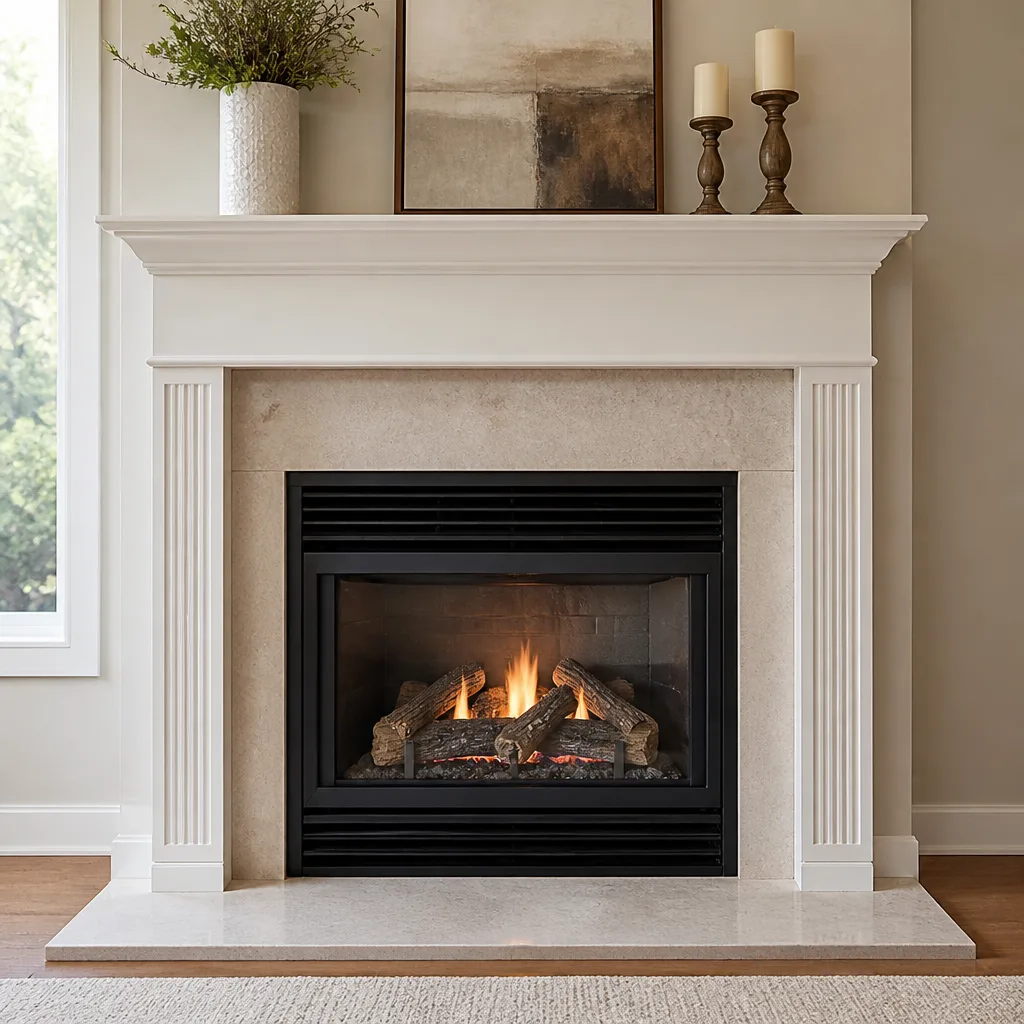 Gas fireplace service
Level 1 sweep and inspection to the NFPA 211 annual standard - flue, crown, cap, and flashing checked and photographed
Chimney sweep logs do not sweep chimneys. They loosen some creosote - which then falls where a brush and vacuum still have to collect it.
DIY vs Professional Chimney Cleaning: The Fountain Valley Homeowner’s Decision Guide
The brushes sold at home improvement stores are built for light deposit removal on flues you can reach easily. They are not engineered to handle Stage 2 creosote, and running one up a glazed flue can smear the most flammable form of creosote across the liner instead of removing it. That single technical fact decides most DIY-versus-professional questions before anyone picks up a tool. This guide lays out the exact criteria that determine whether a Fountain Valley homeowner can safely clean their own flue: creosote stage, system type, access, and what happens to your documentation if a chimney fire occurs later. No moralizing, just the thresholds.
Quick Answer
DIY chimney cleaning is realistic only on an accessible masonry or factory-built flue with light, dry, powdery Stage 1 creosote and no glazing, and only if you have the right brushes, rods, PPE and roof access. Any glazed or Stage 2 deposit, a Stage 3 deposit, a liner in unknown condition, or an insert-equipped system should go to a professional with rotary equipment and camera inspection. In Fountain Valley’s mild, dry-heating climate, most flues stay in Stage 1 longer than in colder regions, but the fire risk from a missed glazed band is the same.
Styles & brands we work with
- Sweep & inspection
- Caps & crowns
- Flue relining
- Masonry repair
- Gas fireplace service
Table of Contents
- The Three Creosote Stages and Which Ones You Can Handle
- Equipment Reality Check: What a Real DIY Clean Actually Costs
- Which Chimney Systems Should Never Be DIY-Cleaned
- How a Professional Sweep Actually Works
- Liability and Insurance: Why Documentation Matters
- The Four-Question Decision Tree
- How Often Does a Fountain Valley Chimney Need Cleaning?
- Common Mistakes to Avoid
The Three Creosote Stages and Which Ones You Can Handle
Creosote is not one substance. It forms in layers depending on how hot the fire burns, how much air the flue gets, and how often the chimney is cleaned. The three recognized stages behave completely differently, and only one is genuinely practical with a store-bought brush.
Stage 1: soot and flaky deposits. This is the powdery, thin, dark coating that builds up when a fire burns reasonably hot and dry wood. It brushes off. A stiff polypropylene or wire chimney brush on a flexible rod removes Stage 1 deposits from an accessible flue without drama. This is the material home improvement store brushes are designed for, and it is the only stage where a homeowner with the right setup has a fair chance of doing a competent job.
Stage 2: glazed creosote. When flue temperatures stay low, unburned wood gases condense on the liner and harden into a shiny, tar-like crust. It is dense, black, and glazed. A hand brush will not cut it. Running one across glazed creosote can break off small flakes that re-deposit further up the flue and can spread a thin film across a wider surface area. Professional removal of Stage 2 typically requires chemical creosote treatment to soften the glaze followed by rotary cleaning with specialized whips. This is not a DIY stage.
Stage 3: hardened, puffy, or crystalline deposits. The most advanced form, often with a puffy or honeycomb texture, and sometimes with visible drip marks. It is stubborn, it is the most combustible, and it usually indicates restricted draft and incomplete combustion. Stage 3 deposits require professional teardown-style cleaning, often rotary equipment and chemical treatment, and they point to a chimney that needs inspection for the reason the deposits formed.
The ruling. Stage 1 on an accessible flue: DIY is feasible with the right equipment. Stage 2: professional only. Stage 3: professional only, plus inspection. If you cannot identify the stage from the ground with a flashlight and mirror, that alone is the reason to call a professional sweep. In our experience across Fountain Valley, most calls land in Stage 1 or the early edge of Stage 2, and the boundary is where the decision stops being a homeowner’s call.
Equipment Reality Check: What a Real DIY Clean Actually Costs
Most people who decide to clean their own chimney own a brush and nothing else. That gets you partway through a Stage 1 job on an easy flue. A job that actually matches professional work requires more than a single brush.
A proper DIY setup for a masonry flue typically includes:
- Correct-size brush or brushes. The brush has to match the flue’s interior dimensions closely. An oversized brush wedges; an undersized one does not contact the walls.
- Flexible rods with enough length. Rods need to reach the full flue height and be stiff enough to control without kinking.
- Respiratory protection. A proper cartridge respirator, not a dust mask. Soot and creosote particulates are the reason.
- Eye protection and gloves. Creosote is caustic and staining.
- Drop cloths and a shop vac rated for fine soot. A standard household vac clogs and blows fine soot back into the room.
- Safe roof or top access. Either a stable ladder setup with fall protection or a top-down clean. Roof access is where DIY chimney cleaning turns into a hazard unrelated to the chimney.
- A flashlight and mirror. For inspecting the flue after cleaning. Without this you don’t know whether the work actually got done.
Add those up honestly, at retail prices, and the total is not small. It is also a one-time purchase, which is fine if you clean annually and want the gear. What the equipment cost does not buy is the eye that recognizes a glazed band, a cracked tile, or a failing joint. That is the gap a professional sweep closes, and it is the reason a proper inspection includes a camera look at the liner, not just a bristle pass.
Which Chimney Systems Should Never Be DIY-Cleaned
System type matters as much as creosote stage. Some chimneys can be safely cleaned top-down by a careful homeowner with the right gear. Others are genuinely the wrong place to learn.
Factory-built zero-clearance fireplaces. These have thin metal liners inside a framed chase. They are easy to damage with the wrong brush, and the liner condition is invisible from the firebox without a camera. Many zero-clearance systems have specific manufacturer cleaning requirements, and the liner eventually needs replacement on a schedule. Cleaning one without knowing the liner’s condition is a waste of effort at best.
Masonry chimneys with clay tile liners. Cleanable by a homeowner in Stage 1 with the right brush. But clay tiles crack and spall, and a cracked tile is a pathway for heat and gases into the surrounding structure. A homeowner brushing their own tile flue cannot see the cracks. This is where an annual professional inspection earns its keep even on a system the homeowner is otherwise comfortable cleaning.
Insert-equipped fireplaces. A fireplace insert sits inside the firebox and connects to a stainless liner. Inserts must be cleaned around the appliance, and the liner connection at the top of the insert has to be checked every time. Removing and reseating an insert correctly is not a homeowner task. Brushing an insert flue blind is how liner joints get disturbed.
Any chimney with an unlined or damaged flue. An older Fountain Valley home may have an original unlined flue or a liner in unknown condition. If the flue is not lined to current standards, cleaning it is the wrong first step – the liner needs to be addressed first, typically with a stainless system such as DuraFlex or a resurfacing product like HeatShield when the damage is confined to the liner surface. Cleaning an unlined flue before that upgrade is putting a brush through a hazard.
How a Professional Sweep Actually Works
Understanding the professional process helps you see exactly where DIY diverges from a proper job. A standard professional visit in Fountain Valley follows a consistent sequence.
- Pre-clean inspection. The technician checks the firebox, damper, smoke chamber, and flue from below with a camera and light before any brush goes in. This establishes the creosote stage and flags liner damage.
- Containment. Drop cloths and a sealed vacuum setup go in first so soot stays in the chimney, not on your living room floor.
- Cleaning. Brushes, rods, and where needed rotary equipment pass through the flue. Stage 2 and Stage 3 deposits get chemical treatment and rotary cleaning.
- Camera inspection. The liner is inspected after cleaning, with a photo report you keep. This is the piece most DIY jobs lack entirely.
- Recommendations. Any needed repair is explained, with the evidence shown. Cap, crown, and flashing condition are checked at the same time. Caps and covers from Gelco and Famco are the kind of commercial-grade products that belong on the top of a chimney that has to shed rain, and a professional install is how that gets done right.
Two of these steps – the pre-clean inspection and the post-clean camera report – are the parts a homeowner cannot replicate with a brush and a flashlight. They are also the two steps that matter most when something goes wrong later.
Liability and Insurance: Why Documentation Matters
If a chimney fire occurs after a self-cleaned flue, the documentation question becomes concrete. Insurance claims for chimney fires are handled by adjusters who ask what maintenance was done, when, and by whom. A homeowner who cleaned their own flue has no third-party record. A homeowner with a dated professional inspection and sweep report has a documented maintenance history.
This is not a scare tactic. Most chimney fires are contained and go unreported. But when a serious one damages the structure, the paper trail is the difference between a straightforward claim and an adjuster who cannot verify the system was maintained. The same applies when a Fountain Valley home is sold: a buyer’s inspector who finds chimney concerns will ask for documentation, and a recent professional report closes that question quickly. A seller who has cleaned the flue themselves has nothing to hand over.
Documentation also covers the other direction. When a professional inspection finds a repair that is recommended but can safely wait until next season, that finding is in writing with a photo. When it finds something that should not wait, the photo shows why. Either way, you are making a decision from evidence rather than from a contractor’s word. Ask any professional you hire for the camera report, and ask them to show you the flue on screen. A reputable sweep will do this without being asked.
The Four-Question Decision Tree
Four questions route a homeowner to a confident DIY attempt or a clear professional referral. Answer them in order. A single “no” or “unsure” is your answer.
- Do you know your system type? If it is a factory-built zero-clearance, an insert-equipped fireplace, or a flue you cannot confirm is properly lined, stop here and call a professional. DIY is off the table for safety reasons, not preference.
- Can you see the creosote stage? Look up the flue with a strong flashlight and a mirror. If what you see is light, dry, flaky soot, you are in Stage 1. If you see anything shiny, tar-like, puffy, or crystalline, you are looking at Stage 2 or Stage 3 and the flue needs professional treatment. If you cannot tell, that is a “no.”
- Do you have the full equipment set? Correct-size brush, flexible rods, respirator, eye protection, drop cloths, a fine-soot shop vac, and safe roof or top-down access. Missing any of these means the job cannot be done safely.
- Can you inspect the liner yourself after cleaning? If you cannot verify the liner is intact after the clean, you have removed soot but have no idea whether the flue is safe. Without that step the job is half-finished.
Four yeses means a Stage 1 DIY clean on an accessible masonry or factory-built flue is a reasonable choice. Anything less means the professional route is the correct one, and it is not a close call. When you do call, the right referral point for a full sweep and inspection in Fountain Valley is a chimney sweep who brings camera equipment and provides a written report.
How Often Does a Fountain Valley Chimney Need Cleaning?
The standard rule, recognized across the industry, is that a chimney should be inspected annually and cleaned when the deposit layer warrants it. For most residential fireplaces in Fountain Valley that works out to a sweep every year or two depending on use. The dry, mild heating climate here means fires run shorter seasons than in colder parts of the country, but wood quality and burning habits drive deposit formation more than outdoor temperature does.
Wood choice is the largest single factor. Seasoned, dry hardwood burns hot and leaves light deposits. Unseasoned or green wood, or a fire starved of air, produces the low-temperature conditions that condense glazed creosote. If you burn a lot of unseasoned wood, your chimney needs a closer look than the calendar suggests, and the same is true if your firebox glass and cap show heavy blackening.
Inspections also worth scheduling in Fountain Valley include: before your first fire of the season, after any storm that could have affected the cap or crown, and before listing or buying a home. A gas fireplace is not exempt – gas appliances need inspection too for venting condition, though the deposit situation differs. Any chimney that has had a fire, an earthquake, or a visible change at the cap or crown should be checked regardless of schedule.
Our technicians have up to 15 years of experience on chimney systems across Fountain Valley and the surrounding area. The annual inspection is where most of the value sits, and it is the part of professional service that a homeowner cannot replace.
Common Mistakes to Avoid
- Brushing a glazed flue. Running a hand brush across Stage 2 creosote redistributes it instead of removing it, and can spread the most flammable layer across a wider liner surface. If the flue is glazed, chemical treatment and rotary cleaning come before any brush.
- Buying a brush without measuring the flue. An oversized brush wedges in the liner; an undersized one misses the walls. Neither result counts as cleaning. Measure the flue interior before you buy, or have a professional confirm the dimensions.
- Cleaning from the firebox only on a top-access flue. Bottom-up cleaning on a flue designed for top access pushes soot into the smoke chamber and leaves the upper flue under-served. Match the access to the system.
- Skipping the inspection. Cleaning without inspecting is a maintenance routine that misses the reason most chimneys catch fire: a cracked tile or failing liner joint that a brush cannot see. A flashlight and mirror are the minimum; a camera is the standard.
- Assaulting the crown and cap with a ladder. Fountain Valley roofs are not uniform, and roof pitch plus tile roofing turn a simple top-down clean into a fall hazard. If roof access is not safe, that is a professional signal, not a challenge.
- Treating a Stage 3 flue as a maintenance job. Puffy or crystalline deposits indicate a deeper draft or combustion problem. Cleaning it without finding the cause means it returns next season.
- Assuming a gas fireplace needs no service. Gas chimneys have lower creosote load but still need inspection for venting, termination, and liner condition. Skipping it is a common Fountain Valley shortcut that misses venting problems.
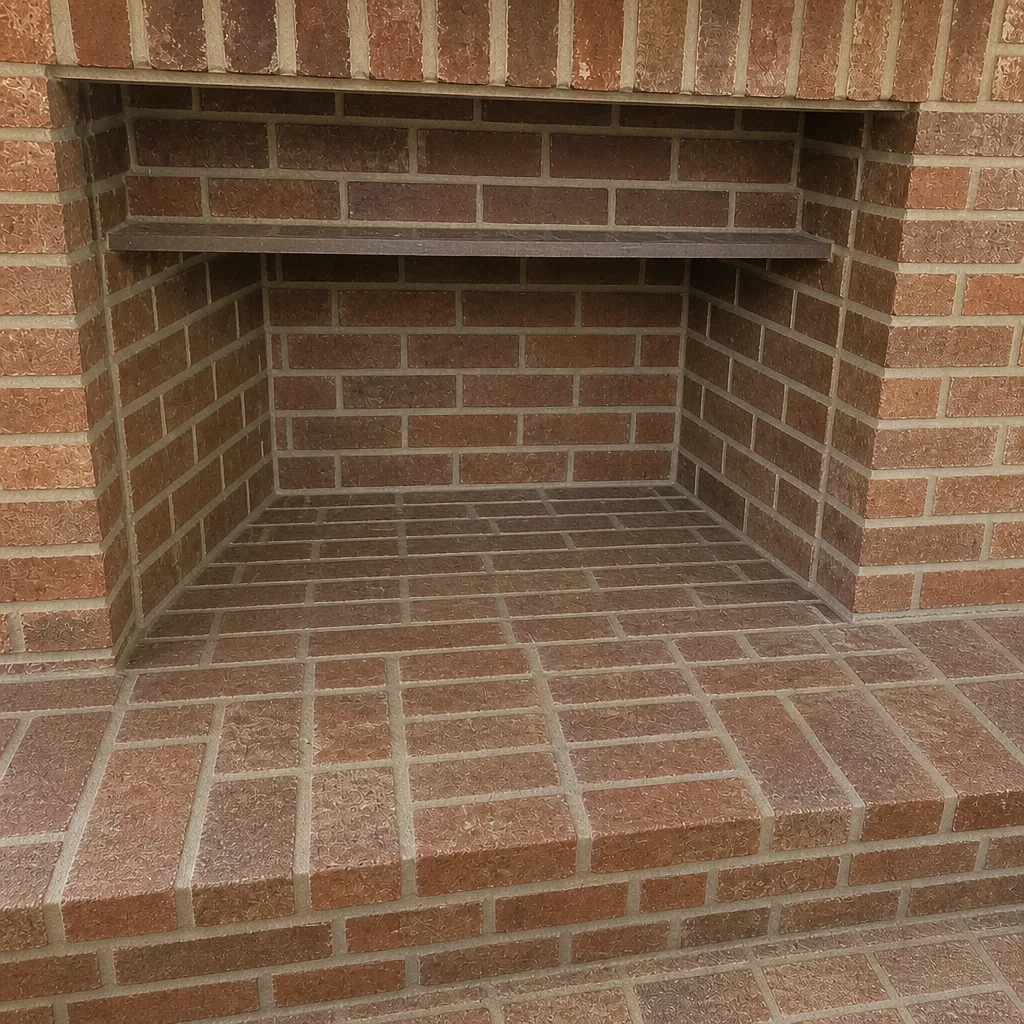
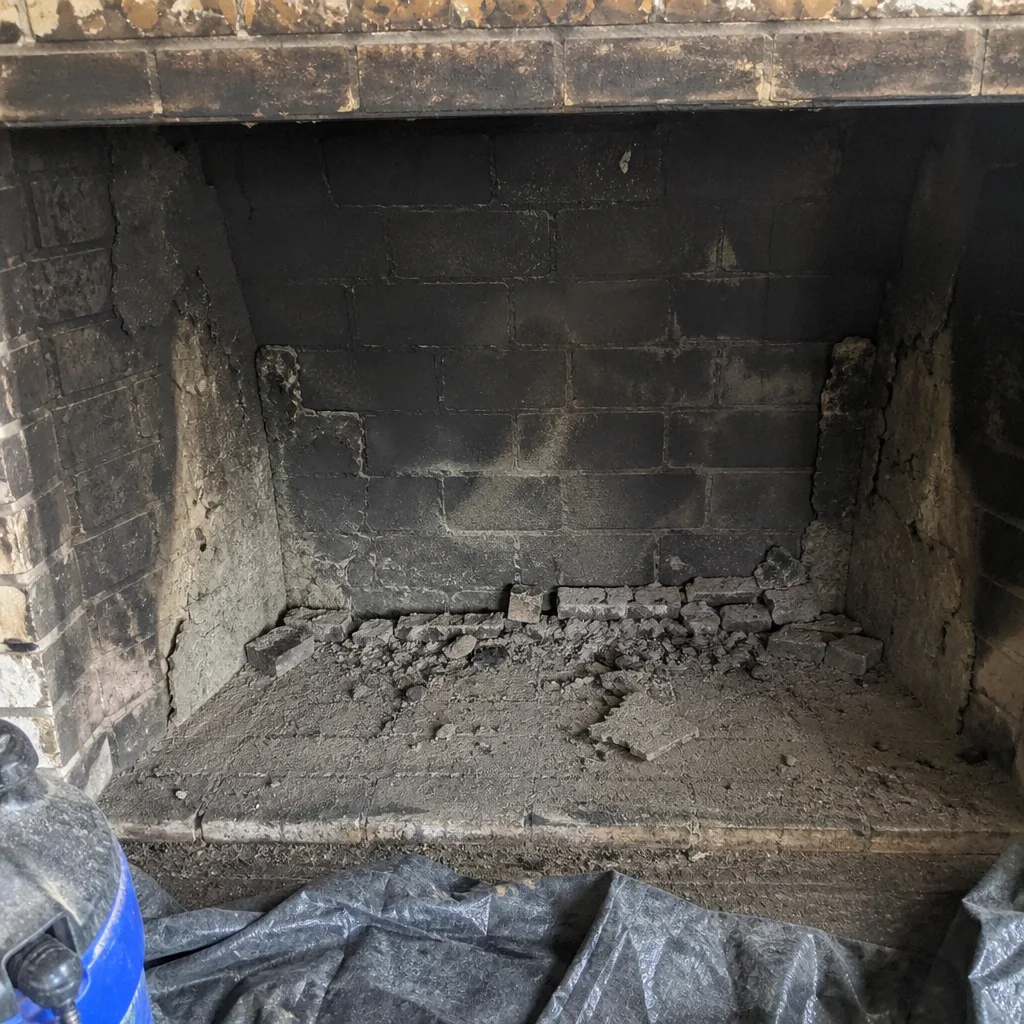
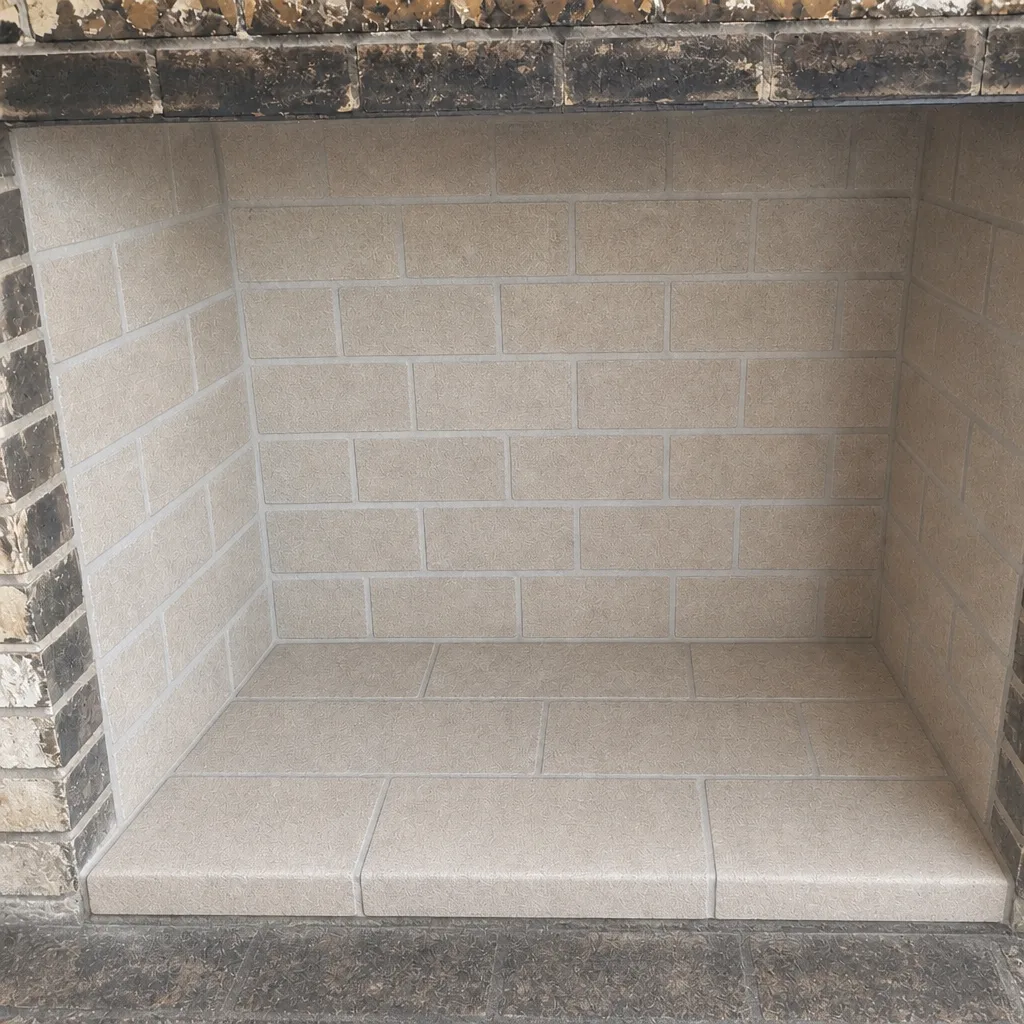
See the difference
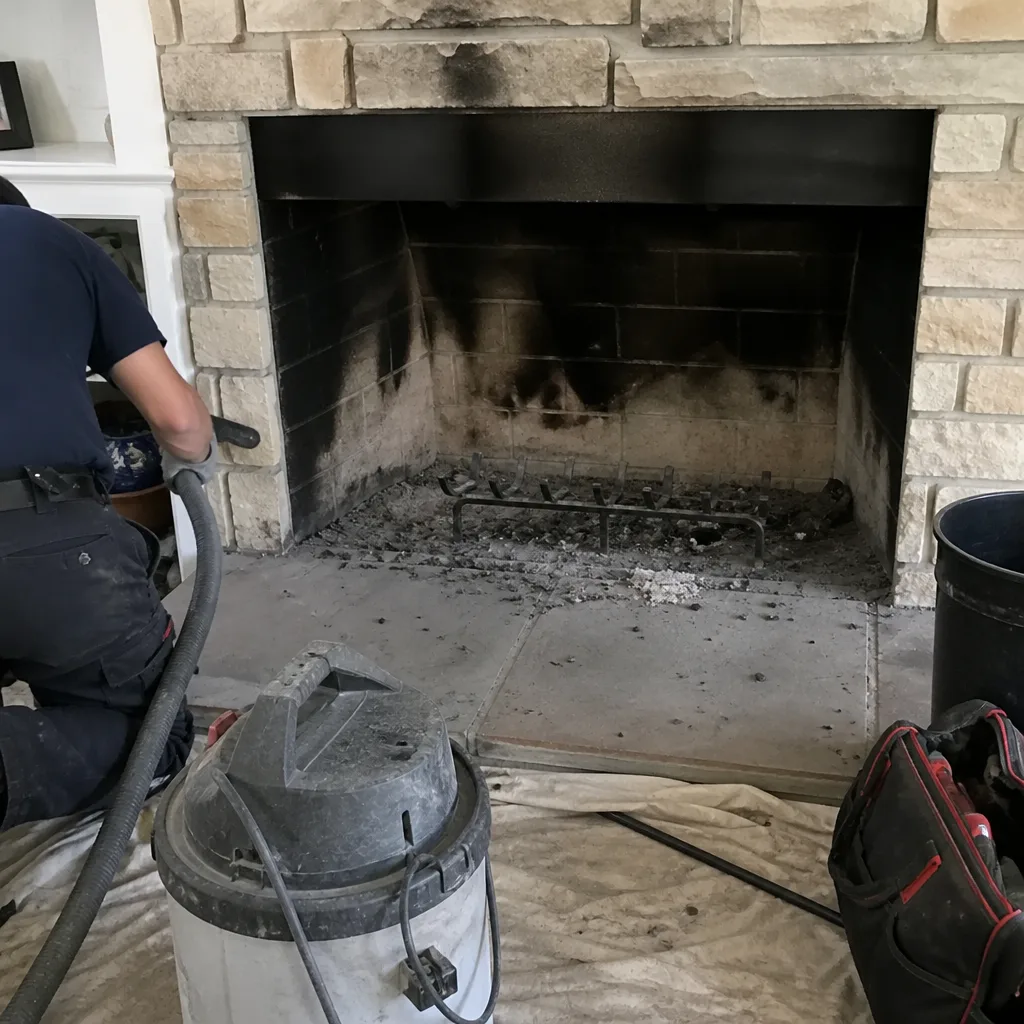 Before
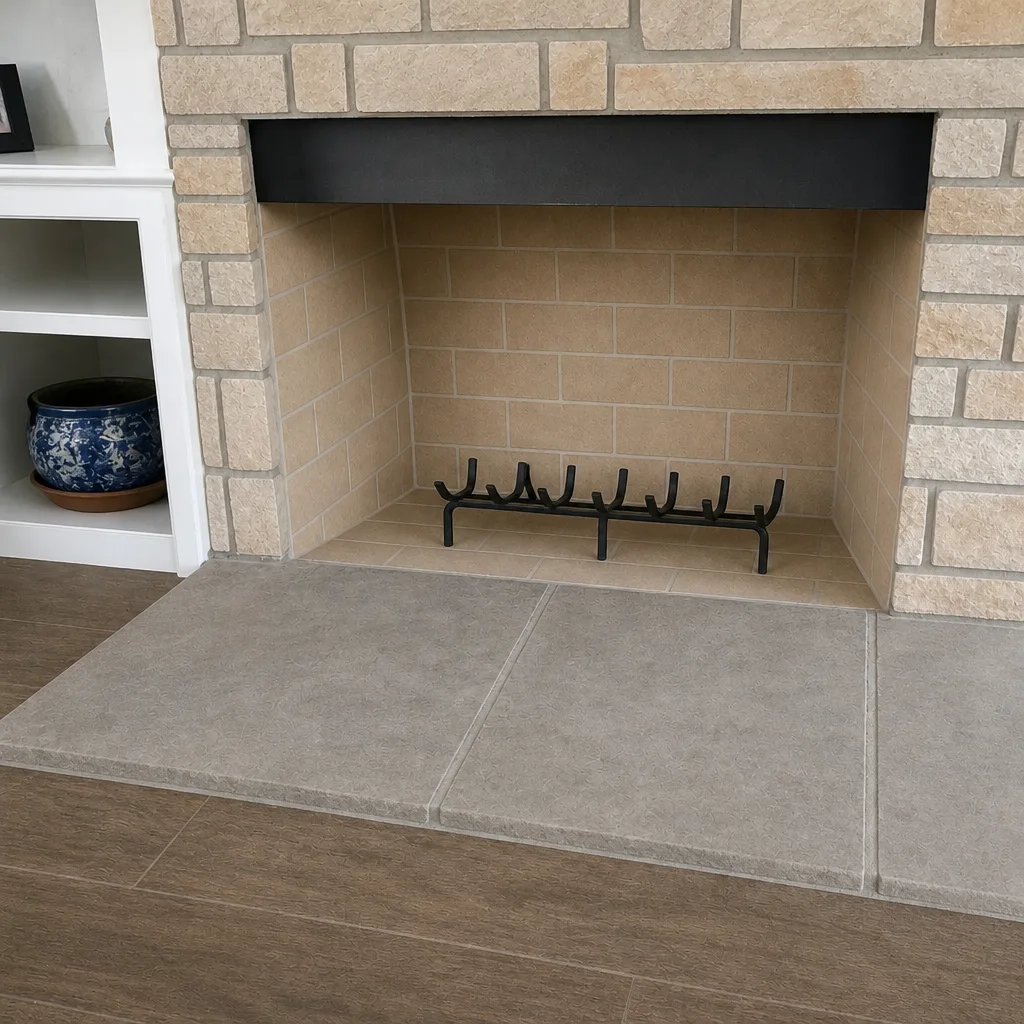 After
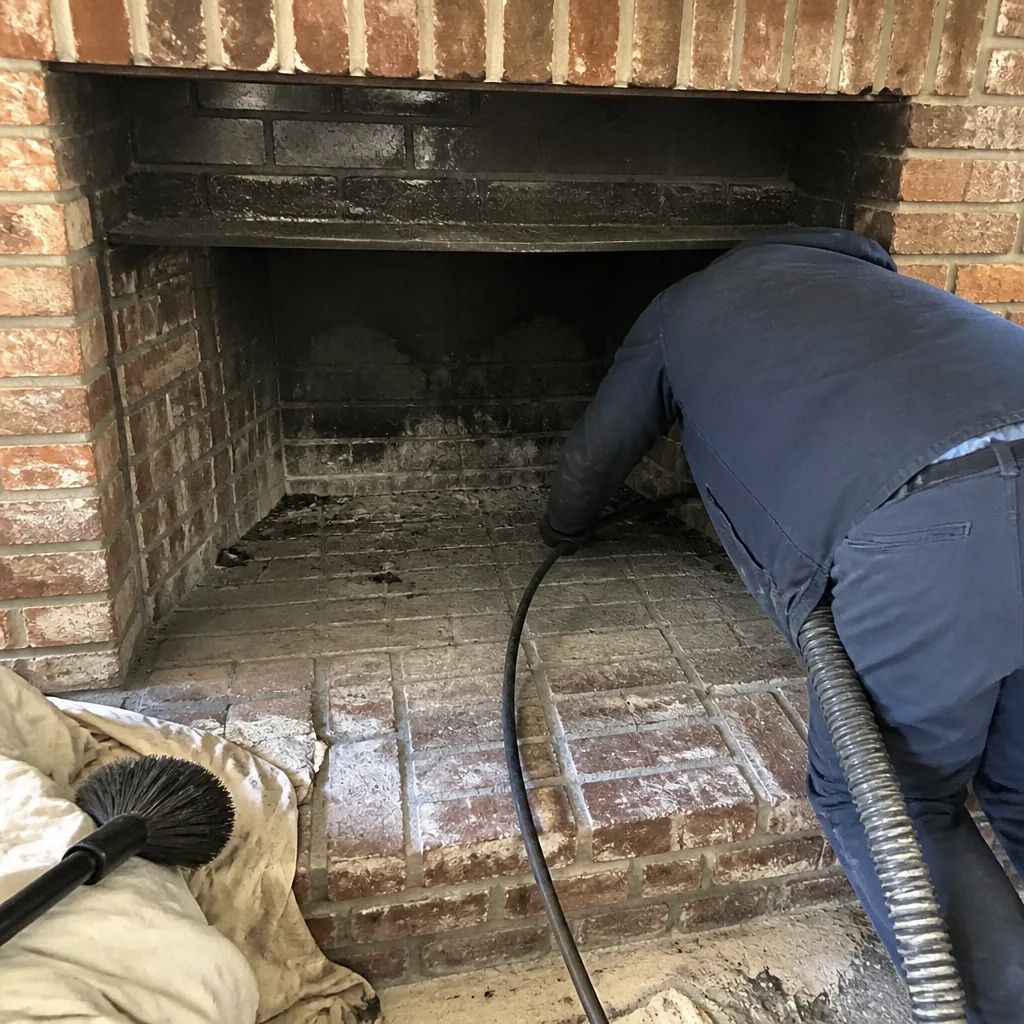 Before
 After
 Before
 After
When to Call a Professional
Call a professional if any of the following apply: the creosote is glazed or crystalline; the system is factory-built zero-clearance, insert-equipped, or unlined; the liner’s condition is unknown; the cap, crown, or flashing looks damaged; you suspect a liner crack; the chimney has had a fire; or you simply do not have the equipment or safe roof access to do a proper Stage 1 clean. Call if you are buying or selling a home and need documented inspection. Call if you are managing a rental or multi-unit property where the documentation matters as much as the sweep.
Chimney Sweep Fountain Valley offers free estimates in Fountain Valley – call (877) 792-7543. We answer 24/7, and fast dispatch runs 7am to 7pm, Sunday through Friday. Every visit includes a camera inspection and a photo report, and the written estimate sets the final price.
We also handle fireplace repair and chimney repair when the inspection turns up work beyond cleaning, so the whole cycle is handled by one company rather than several.
Frequently Asked Questions
You can clean your own chimney safely only if the flue is open and accessible, the deposit is dry Stage 1 soot with no glazing, you have the right size brush, flexible rods, a respirator, and safe roof or top access, and you can inspect the liner afterward. That is a narrow set. Any glazed deposit, insert, factory-built zero-clearance system, unlined flue, or uncertain liner condition means a professional should do the job. Call (877) 792-7543 for a free estimate if you are unsure.
Inspect annually and clean when deposits warrant it, which for most homes here lands on a sweep every year or two. Burning seasoned wood and running hot fires stretches the interval; unseasoned wood and low-air fires shorten it. The annual inspection is what tells you which category you are in. Call (877) 792-7543 to book an inspection and get an exact look at your flue.
Brushing glazed creosote does not remove it and can redistribute the most flammable layer across a wider liner surface, which is worse than leaving it alone. Stage 2 and Stage 3 deposits need chemical softening and rotary cleaning, not a hand brush. If your flue is shiny or tar-like inside, stop and call a professional. Call (877) 792-7543 and we will inspect it before anything is cleaned.
It can affect how a chimney fire claim is handled, because a professional inspection and sweep report is documented maintenance history and a self-clean leaves no third-party record. Whether any particular policy responds is up to the insurer; what a report does is give you something to produce. If a claim or a sale is on the horizon, a documented professional inspection is worth booking. Call (877) 792-7543 for a free estimate on an inspection and sweep.
No – a proper clean includes a camera inspection with a photo report, and nothing is recommended without camera evidence you can see for yourself. If a finding can safely wait until next season, we will say so. Call (877) 792-7543 for a free estimate and we will walk you through what the camera shows.
An inspection covers the firebox, damper, smoke chamber, flue with a camera, cap, crown, and flashing, and it produces a written report with photos. That report is what tells you the creosote stage, liner condition, and any repair that is needed now versus later. Call (877) 792-7543 for a free estimate – every visit includes camera inspection and the photo report.
The Bottom Line
DIY chimney cleaning is a real option, but only at the narrow intersection of Stage 1 deposits, an accessible masonry or factory-built flue, the full equipment set, safe access, and a liner you can verify afterward. Any glazed or crystalline creosote, any insert or unlined system, and anything you cannot see inside puts you in professional territory, and that is a technical ruling, not a sales pitch. The bigger point is that cleaning is not the whole job. Inspection, cap and crown condition, and the liner behind the soot are what determine whether your chimney is safe to burn in this winter. When you need the camera, the report, and the full cycle under one company, we are the call.
Call (877) 792-7543 for a free estimate. We answer 24/7. Fast dispatch from 7am to 7pm, Sunday through Friday. Planning ahead? Start at Chimney Sweep Fountain Valley for the complete service picture.
Written by the team at Chimney Sweep Fountain Valley.