
Last updated November 25, 2026
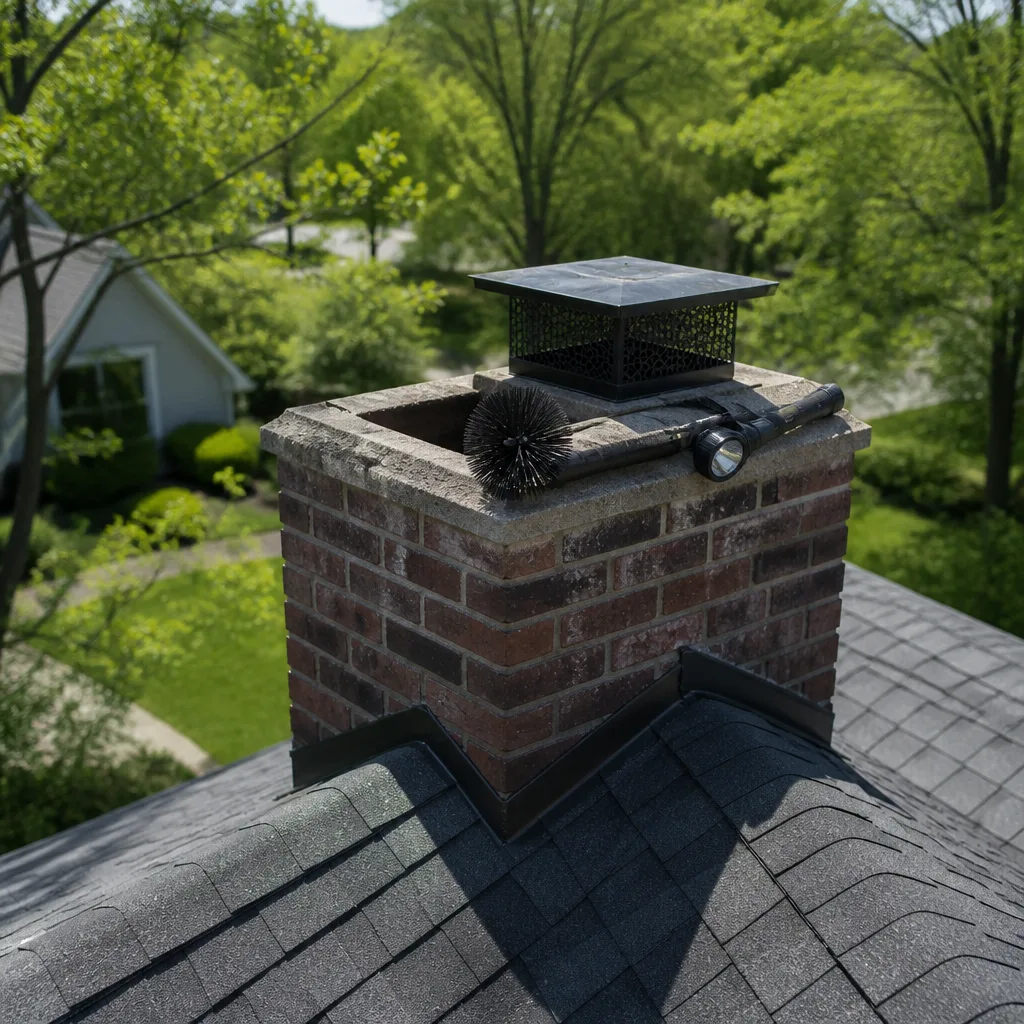 Sweep & inspection
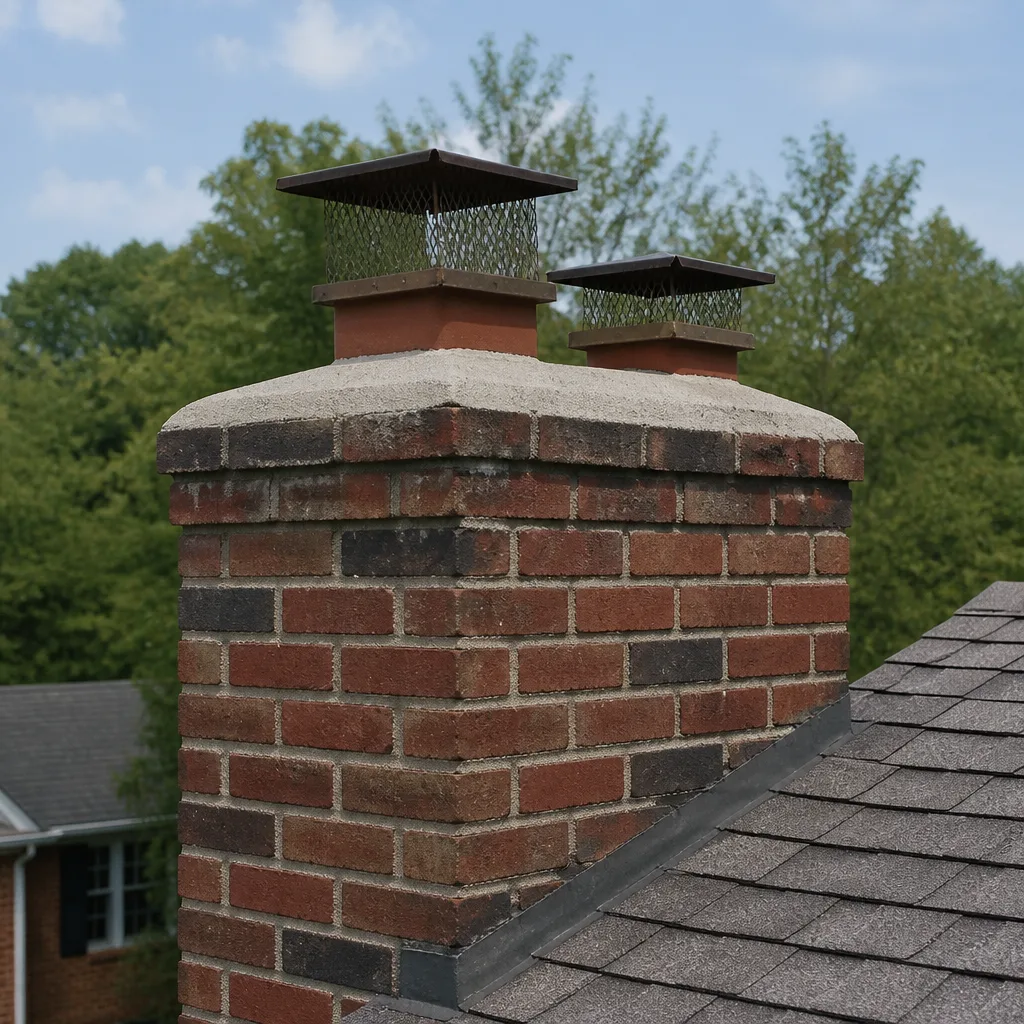 Caps & crowns
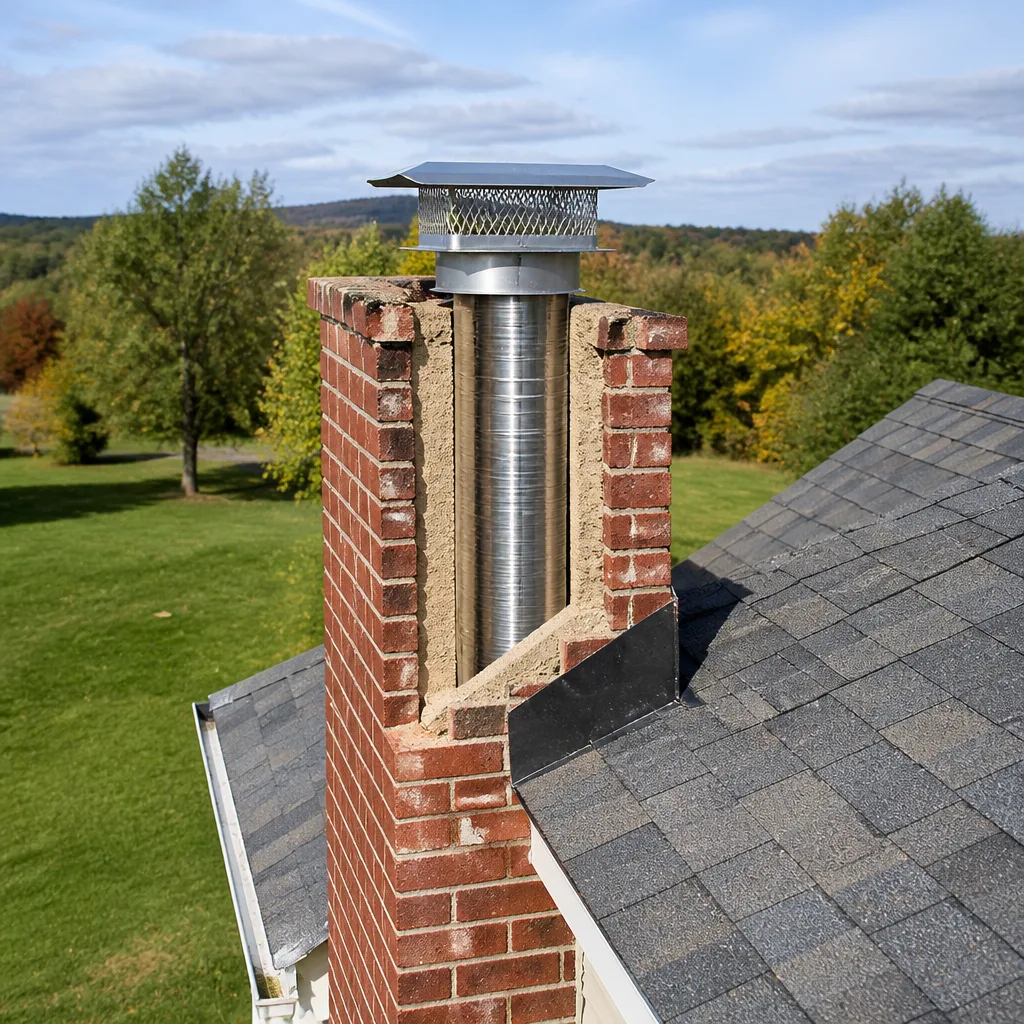 Flue relining
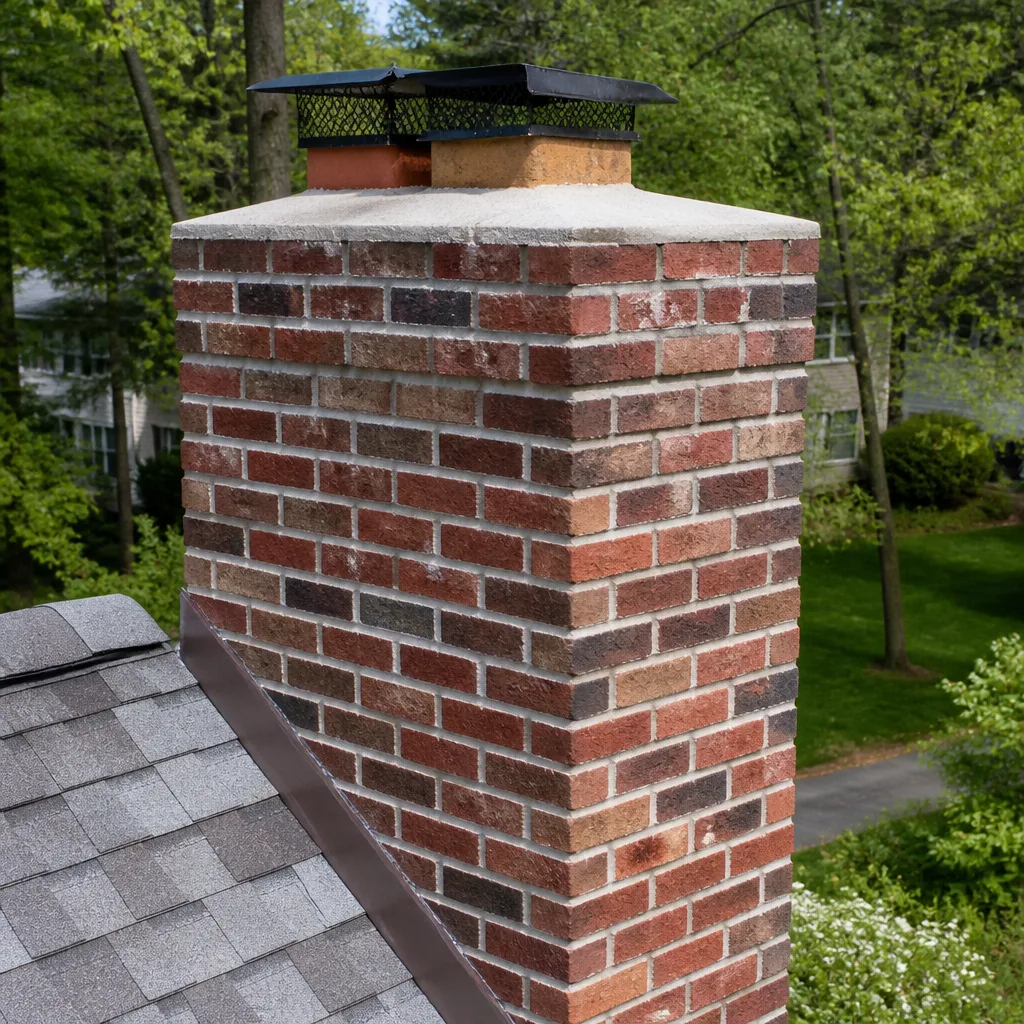 Masonry repair
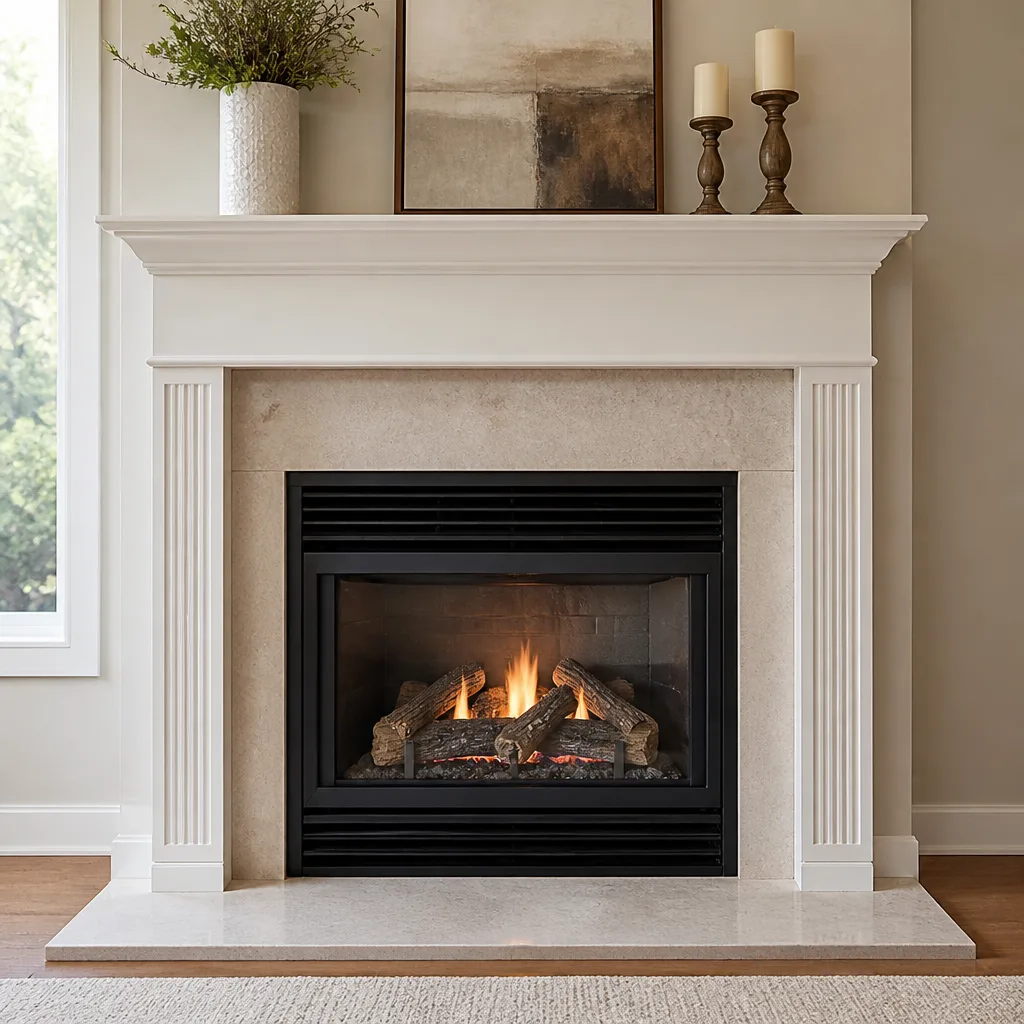 Gas fireplace service
Level 1 sweep and inspection to the NFPA 211 annual standard - flue, crown, cap, and flashing checked and photographed
Chimney sweep logs do not sweep chimneys. They loosen some creosote - which then falls where a brush and vacuum still have to collect it.
How to Hire a Chimney Cleaning Contractor in Fountain Valley: A Step-by-Step Guide
A CSIA Certified Chimney Sweep credential takes a single exam to obtain. That’s a meaningful baseline, and you should look for it. But it doesn’t tell you whether the person standing in your living room has ever replaced a flue liner, knows why a Rumford firebox drafts differently than a standard firebox, or can tell a cracked crown from a cosmetic hairline. In Fountain Valley, “chimney sweep” shows up as an add-on line on the cards of carpet cleaners, HVAC outfits, and home warranty vendors. This guide teaches you how to tell a dedicated chimney specialist from a generalist adding a service line, using five interview questions, equipment checks, quote red flags, license verification steps, and a written scope of work you can hold a contractor to.
Quick Answer
Hiring a chimney cleaning contractor in Fountain Valley means verifying four things before anyone arrives: that the company does chimney work as its primary trade, that it can show you California contractor licensing appropriate to chimney and fireplace work, that its quote is a written scope naming exactly what will be cleaned and inspected, and that it uses professional equipment including a rotary sweep system, a HEPA vacuum, and a camera for the flue. Then ask the interview questions in this guide. A specialist answers them without pausing. A generalist changes the subject.
Styles & brands we work with
- Sweep & inspection
- Caps & crowns
- Flue relining
- Masonry repair
- Gas fireplace service
Table of Contents
- Why So Many “Chimney Sweeps” in Fountain Valley Aren’t Chimney Specialists
- The Five Questions That Separate Specialists From Generalists
- What Proper Sweep Equipment Looks Like on the Job
- Red Flags in a Chimney Quote
- How to Verify California Licensing for Chimney Work
- What a Legitimate Written Scope of Work Must Include
- Fountain Valley Specifics: Climate, Housing Stock, and What That Means for Your Chimney
- Inspection First, Repair Second: The Order That Protects You
Why So Many “Chimney Sweeps” in Fountain Valley Aren’t Chimney Specialists
Fountain Valley sits in a part of Orange County where the housing stock runs from mid-century ranch homes to newer builds, and most of those homes have a fireplace. That steady demand pulls in generalists. A carpet cleaning company adds a chimney brush to the van. An HVAC contractor offers a “chimney check” alongside a tune-up. A home warranty vendor dispatches whoever is closest.
The problem isn’t dishonesty. It’s depth. A company whose main trade is something else will handle the easy job, the routine sweep of a clean flue on a standard firebox, and do it acceptably. What it can’t do is recognize the conditions that matter: a flue with no liner, a liner with a failed joint, a crown cracked through in a way that lets water into the masonry, or a firebox that’s been modified in a way that changes clearances. Those findings require a company that sees chimney systems every working day.
Here’s the practical test. Ask what the company does when a sweep turns up a deteriorated flue interior. A specialist has an answer that involves evaluation and a repair path. A generalist refers it out, which means the person you trusted with the inspection has no stake in the accuracy of what they told you.
We’re a chimney and fireplace specialist. That means one company handles the full arc of the work, from the annual chimney sweep through fireplace repair and structural chimney repair. There’s no handoff when the sweep finds something, because the same people who found it are equipped to assess it.
The Five Questions That Separate Specialists From Generalists
Ask these before you book. You’re not looking for a memorized answer. You’re listening for whether the response is specific or vague.
- “What’s the most common chimney problem you find in Fountain Valley homes, and why?” A specialist describes conditions, not services. They’ll talk about what they actually encounter: cracked crowns from sun and seasonal temperature swings, missing or damaged caps that let water and animals in, and older flues that were built before modern lining requirements. A generalist gives you a generic answer about creosote.
- “When would you recommend resurfacing a flue instead of replacing the liner?” This question exposes real technical depth. Liner resurfacing products, applied by a trained technician, restore a deteriorated flue interior in the right conditions and save the cost of full replacement. A company that can’t explain the difference between resurfacing and relining doesn’t do either one.
- “What’s the difference between a standard firebox and a zero-clearance unit, and does it change how you inspect?” It absolutely does. A zero-clearance fireplace has specific manufacturer clearances and a different inspection path than a masonry firebox. Anyone who sweeps chimneys as a side service will not have a confident answer.
- “Who does your repair work if the sweep finds a problem?” If the answer is a subcontractor or “we refer that out,” you’ve found a generalist. One company from inspection through repair means no coordination cost and no gap between what the inspector saw and what the repair crew understood.
- “Can I see the inside of the flue when you’re done?” A specialist uses a camera and can show you what they saw. A generalist cleans and leaves. The photo or video record is what makes the difference between a description and evidence.
If the person on the phone can answer all five without deflecting, you’re talking to a specialist. If two or three come back as “we’d have to look at it,” that’s not caution. That’s unfamiliarity.
What Proper Sweep Equipment Looks Like on the Job
Equipment is visible. You don’t need technical training to notice whether the person who arrives is set up for real chimney work or for a quick brush-and-go.
- Drop cloths and containment before anything else. Proper work starts with floor and hearth protection. If the technician starts working before protecting the room, that tells you something about the rest of the process.
- A HEPA vacuum. A real sweep vacuum is a high-efficiency unit that captures fine soot. A shop vac is not adequate for the particulate a chimney produces, and the difference is obvious within minutes of starting.
- Rotary sweep equipment. Professional flue cleaning uses a powered rotary system with the right head for the flue type, not a hand brush on a rod alone. A hand brush has its place, but a company doing this daily brings the powered setup.
- A camera for the flue. A camera inspection tool lets the technician see the full interior of the flue, including joints and offsets the eye can’t reach. Ask to see the footage or photos.
- Correct access equipment. Roof access for the exterior portion of the work, and the right tools for the cap and crown if anything needs attention there.
This is where we set the bar for ourselves. We work with professional-grade product lines rather than hardware-store substitutes, including Gelco and Famco caps and covers and Olympia Chimney components. When a cap or crown replacement comes up, it’s a commercial-grade part installed by people who do it routinely, not a generic piece from a shelf. Equipment and materials tell the same story: whether the company does this work as a trade or as an errand.
One more thing to watch. If the technician arrives and starts cleaning without inspecting first, stop them. Cleaning a flue you haven’t looked at is backwards, and it’s a reliable sign of a company working from a routine rather than an assessment.
Red Flags in a Chimney Quote
A chimney quote should be specific, in writing, and tied to what was actually found. Several common offers fail that test.
- “Free inspection with any cleaning.” An inspection performed as a sales incentive isn’t an inspection. It’s a pitch. The inspection should be its own defined step with its own findings, not a lever to sell work. When inspection is free conditional on a cleaning, the incentive runs the wrong direction.
- Unusually low flat rates. A flat rate that’s meaningfully below everyone else in the market usually means the scope is thin. Ask exactly what the cleaning covers: which flue, what access, whether the firebox and smoke chamber are included, whether the cap and crown get checked. A low number with a narrow scope isn’t a deal.
- Quotes given before anyone looked. A price for repairs quoted over the phone, before an inspection, is a guess dressed up as a quote. The number will change.
- Repair recommendations with no evidence. This is the big one. If a company tells you the flue needs relining, you should be able to see the reason yourself in the camera footage or photos. A recommendation without visual evidence you can evaluate isn’t a finding; it’s an assertion. Ask to see it.
- A single line item that covers everything. “Chimney service: $X” tells you nothing. A real quote breaks out the work.
We take a different approach to the trust question. Nothing gets recommended without camera evidence you can look at yourself, and we’ll tell you plainly when a repair can safely wait. A flue that’s dirty but sound doesn’t need work done to it. The written estimate sets the final price, and it’s agreed before the job is booked.
How to Verify California Licensing for Chimney Work
Chimney work sits in an awkward spot for licensing, and this is where Fountain Valley homeowners get caught out. A routine sweep of a flue is maintenance. Structural repair to a chimney, crown replacement that involves masonry, or installation of a new liner is contractor work, and that’s governed by California contractor licensing rules.
Here’s the practical verification path:
- Ask for the contractor license number in writing. Any company doing structural chimney repair should provide it without hesitation.
- Look it up yourself. The California Contractors State License Board maintains a public lookup. Enter the number and confirm the license is active and the classification matches the work being quoted.
- Check what the classification actually covers. A general B-license is broad, but it doesn’t automatically mean the holder specializes in chimney and fireplace systems. Ask what chimney-specific work the license covers, and ask who actually performs the liner or masonry work.
- Confirm insurance and bonding. The local professional performing the work should be licensed and insured as the state requires. Ask for proof, and don’t accept “we’re fully insured” as the answer.
- For a cleaning-only visit, licensing isn’t the whole test. A basic sweep doesn’t require the same license as structural work, which is exactly why the equipment and specialist questions in this guide matter so much. When licensing doesn’t separate the field, competence has to.
Be wary of any company that gets defensive about the license question or offers a number you can’t verify. That’s not a paperwork issue. That’s a company you don’t want on your roof.
What a Legitimate Written Scope of Work Must Include
Before you authorize any job, whether it’s a routine sweep or a larger repair, you should have a written scope in hand. This is the document that protects you, and a specialist provides one as a matter of course.
A proper scope includes:
- The specific service or services. “Chimney cleaning” is too broad. It should name what’s being cleaned: the flue, the firebox, the smoke chamber, the damper area.
- What’s being inspected and how. Which components get looked at, and confirmation that the flue interior is examined with a camera.
- The findings and their basis. What the inspection turned up, with the evidence attached or referenced. If a liner problem is identified, the scope should point to the footage or photos that show it.
- Any recommended work, itemized. Each repair separated, not bundled. Relining, crown repair, cap replacement, and resurfacing should each appear as distinct line items with their own description.
- The materials and product lines named. If a liner is being installed, the scope should say what kind. This matters because liner systems are not interchangeable, and professional-grade products perform differently over time. If resurfacing is recommended, the scope should say the product is a chimney resurfacing system rather than a generic coating.
- The price, stated as an estimate, with the final price set by the written estimate. No verbal additions, no “we’ll see when we get in there” surprises without a revised scope in writing.
- What happens to the debris and the work area. Containment, cleanup, and disposal should be described.
Our capability with resurfacing systems is worth knowing about here. HeatShield resurfacing restores a damaged flue interior in the right conditions, addressing cracked or deteriorated surfaces without the cost of a full liner replacement. Liner systems and resurfacing products are different tools for different problems, and the scope should reflect which one applies and why. A company that installs structural liner systems from trusted brand lines and can also resurface a flue is one that can make a real diagnosis, because it has more than one answer available.
If a company hands you a one-line quote and a handshake, ask for the scope. If they can’t produce one, that’s your answer.
Fountain Valley Specifics: Climate, Housing Stock, and What That Means for Your Chimney
Fountain Valley’s climate is mild, and that shapes how chimney problems actually develop here. You are not dealing with the ice and freeze damage that shortens chimney life in colder parts of the country. The exposure here is different: sun, heat, seasonal temperature swings, and above all water.
That means the crown and the cap do more of the work than homeowners expect. The crown is the concrete or masonry cap at the top of the chimney that sheds water away from the structure. When it cracks, water gets into the masonry below, and the damage develops slowly and invisibly until it doesn’t. A properly fitted cap keeps rain, birds, and debris out of the flue itself. We source caps and covers from Gelco and Famco because weather protection is a structural function, not an accessory, and it’s the preventive side of chimney care that extends the life of the whole system.
The interior of the home matters just as much. In mild-climate houses, fireplaces often go unused for long stretches and then get used heavily in a short window when the weather turns cold. That pattern, long idle periods followed by concentrated use, is exactly the kind of thing that goes unnoticed. Creosote builds up without anyone realizing it, and an unused flue can accumulate debris, nests, and moisture over months. A flue that sat idle through spring and summer isn’t automatically clean by autumn.
This is also a market where property managers and sellers need documentation, not just a sweep. Sellers navigating inspection findings on a Fountain Valley home need a written record of what was found, what it means, and what was done. We handle that documentation as part of the work, and it’s why one company from inspection through repair matters: the record and the repair come from the same source, so nothing gets lost in a handoff. You can read more about the range of work we cover on our Chimney Sweep Fountain Valley page.
Inspection First, Repair Second: The Order That Protects You
The single most useful thing you can insist on is order: inspect, then clean, then recommend, then quote. Never the other way around.
An inspection is not a cleaning, and the two should never be bundled in a way that makes the inspection contingent on the cleaning. The inspection is the diagnostic step, done with a camera on the flue interior and a look at every exterior and interior component: cap, crown, flashing, firebox, damper, and the masonry itself. The findings from that step tell you what cleaning is needed and whether anything else requires attention.
Once you have findings, you should be able to see the evidence behind them. When a recommendation comes with footage or photos you can evaluate yourself, the entire dynamic changes. You’re not being asked to trust a conclusion. You’re being asked to look at what the technician looked at. That’s the standard we hold to, and it’s the standard to hold any contractor to.
Then comes the question most quotes never address: does this repair need to happen now? A specialist should be willing to tell you when work can wait. Some repairs are urgent because they involve a system that could fail. Others are maintenance items that can be scheduled when it’s convenient, and a company that’s honest about the difference is one that’s not managing you toward a number. When a repair is necessary, the company should be able to explain what happens if it isn’t done, in specific terms, so you understand the actual condition and not just the urgency.
There’s a safety dimension here that’s worth stating plainly. Creosote accumulation in a flue is a real fire risk. A blocked or damaged flue can allow carbon monoxide into the home. These are genuine reasons to stay on top of chimney condition, and they’re reasons to understand what your inspection found, not reasons to approve work you can’t evaluate. An inspection you can see and a scope you can read are what make the whole process safe and sound.
Common Mistakes to Avoid
- Booking whoever answers the phone first. In a market where chimney service is offered by carpet cleaners, HVAC companies, and home warranty vendors, the first available isn’t necessarily a specialist. Take the five questions in this guide and ask them before you book. In Fountain Valley, where the housing stock has a lot of older fireplaces, that screening matters.
- Assuming a certified credential means repair capability. The CSIA credential is a meaningful baseline and you should look for it. It’s also obtainable through a single exam. Ask about repair experience, liner work, and resurfacing separately, because a certified sweep and a specialist who installs liner systems are not always the same person.
- Accepting a repair recommendation without seeing the evidence. If someone tells you the flue needs relining and can’t show you why in footage or photos, you have no way to verify the claim. Ask to see it. A specialist will show you without being asked.
- Skipping the crown and cap because they’re not the firebox. In a mild-climate market, the exterior elements at the top of the chimney do the most work keeping the structure dry. A sweep that doesn’t check the crown and cap isn’t a complete inspection. It’s cleaning.
- Bundling a “free inspection” with a cleaning. When the inspection is contingent on the sale, the incentive is to find work. Keep the inspection as its own step with its own findings and its own record.
- Hiring a B-license generalist and expecting chimney depth. A general contractor license is broad, but it doesn’t certify a specialization in chimney and fireplace systems. Ask what chimney-specific work the license covers, and verify it through the California Contractors State License Board lookup yourself.
- Letting someone start cleaning without inspecting first. If a technician begins with a brush rather than with a camera and a look at the full system, stop the visit. That sequence tells you the company works from a routine, not an assessment.
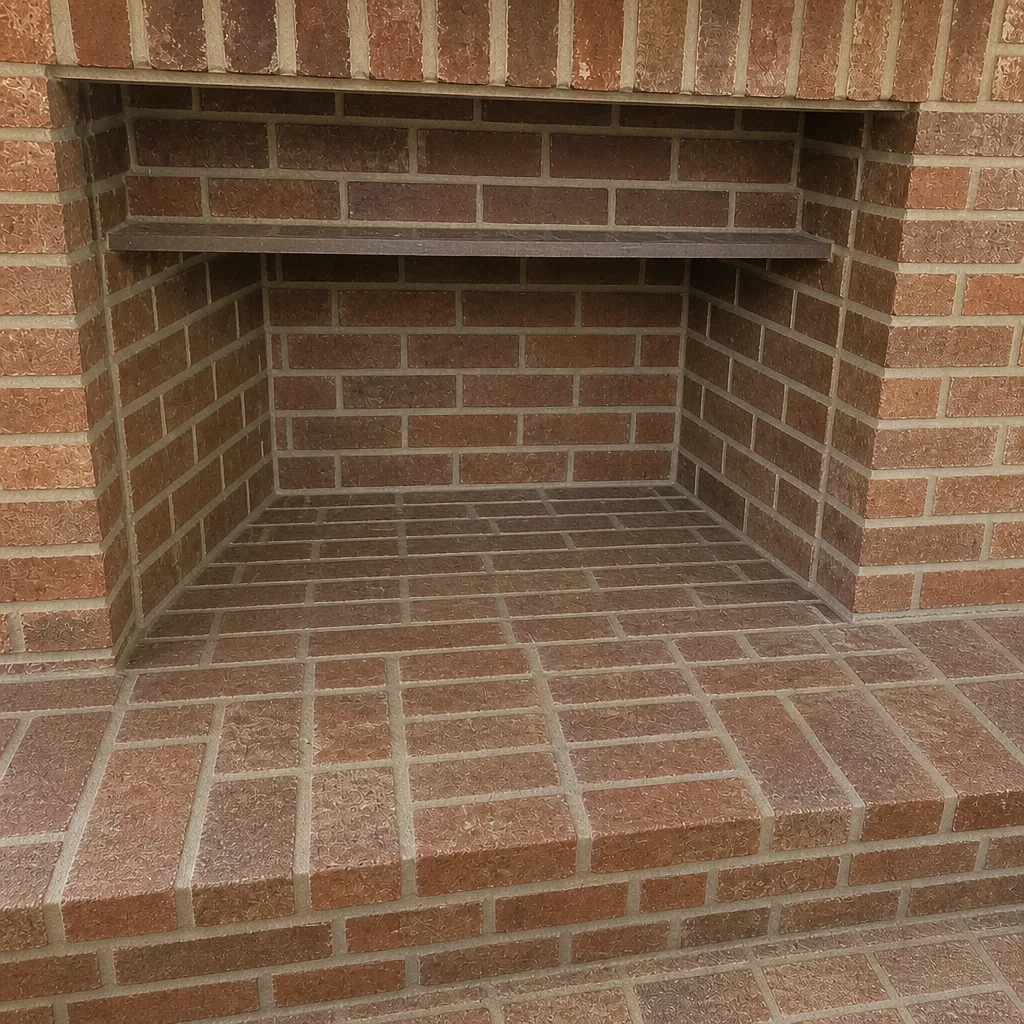
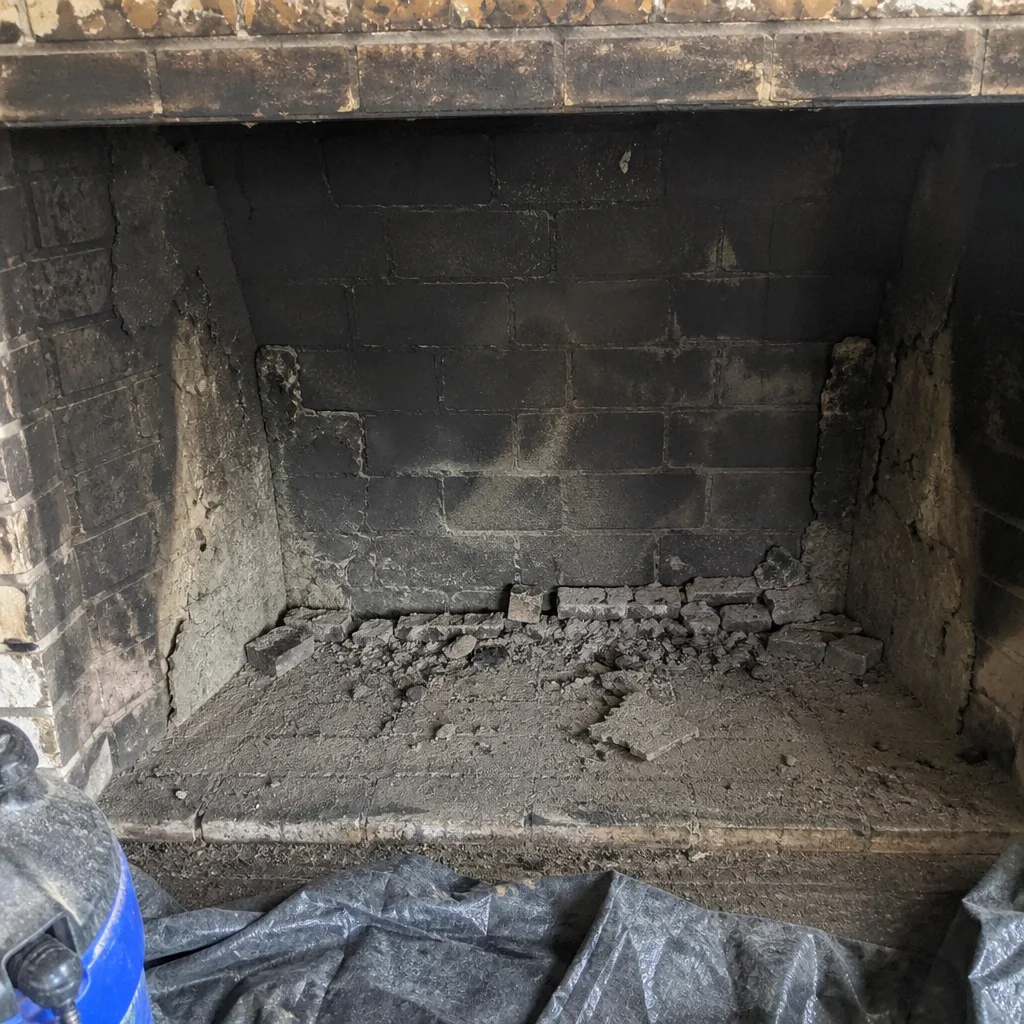
See the difference
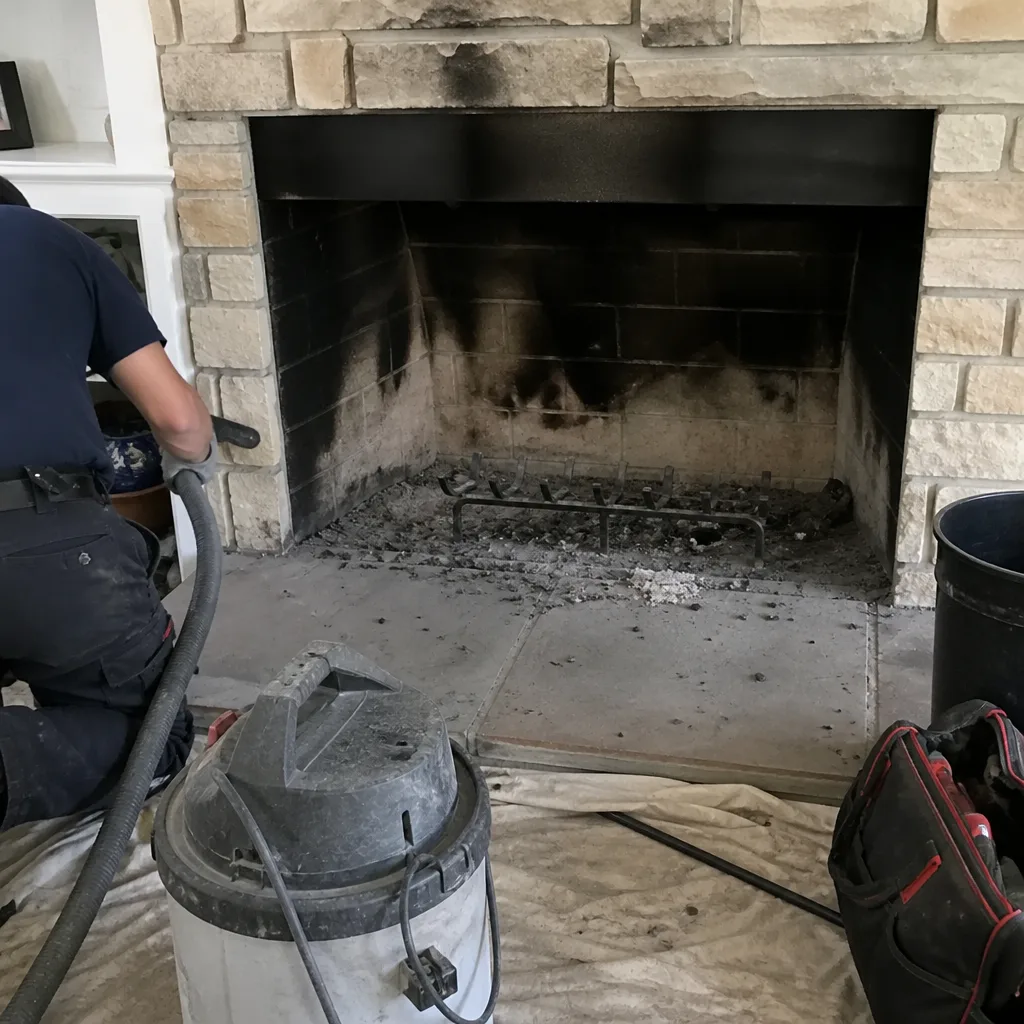 Before
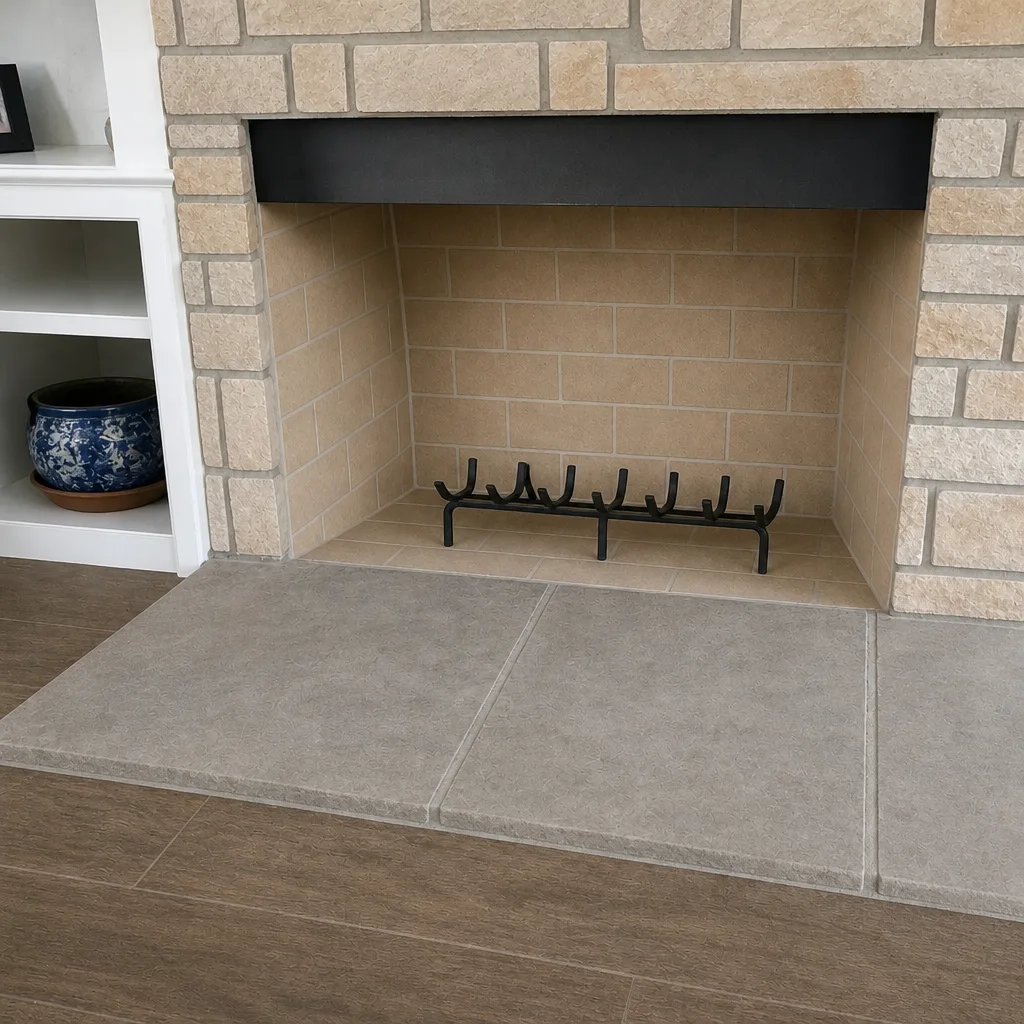 After
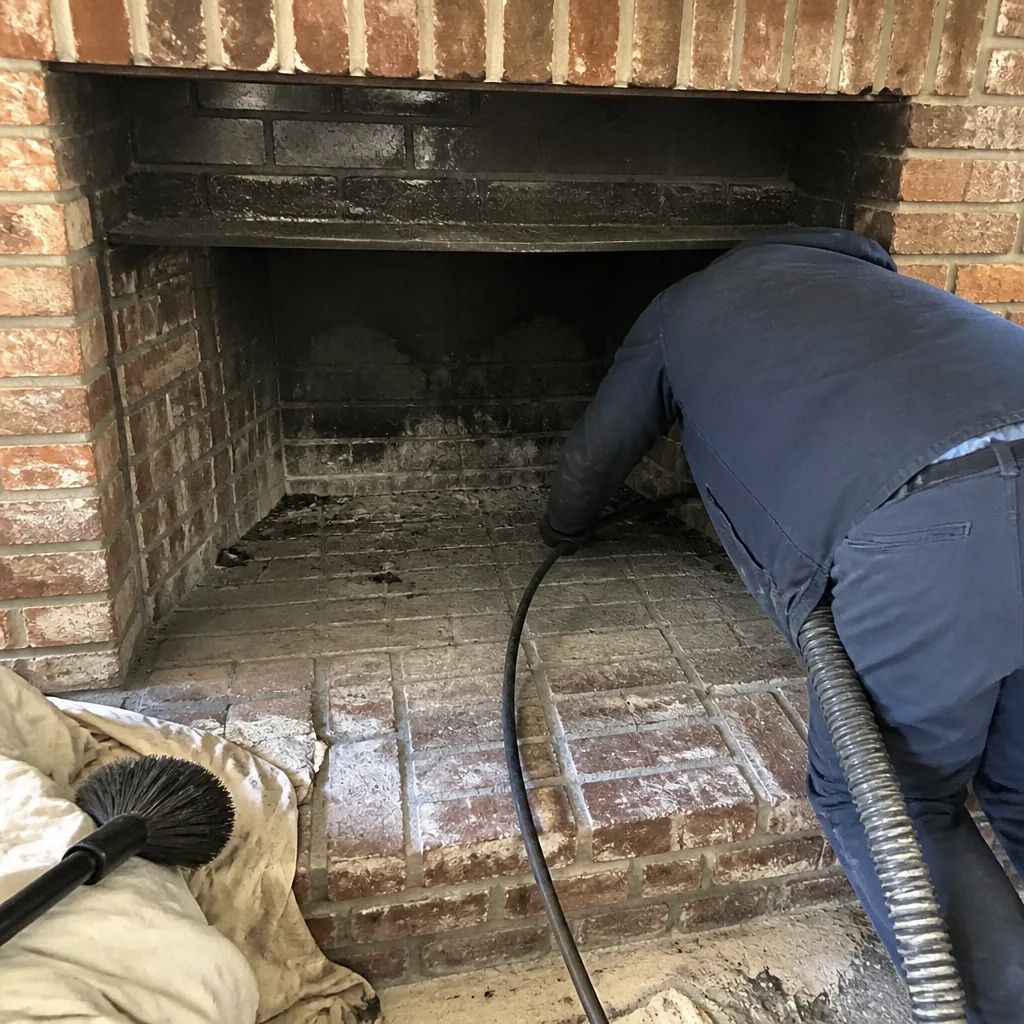 Before
 After
 Before
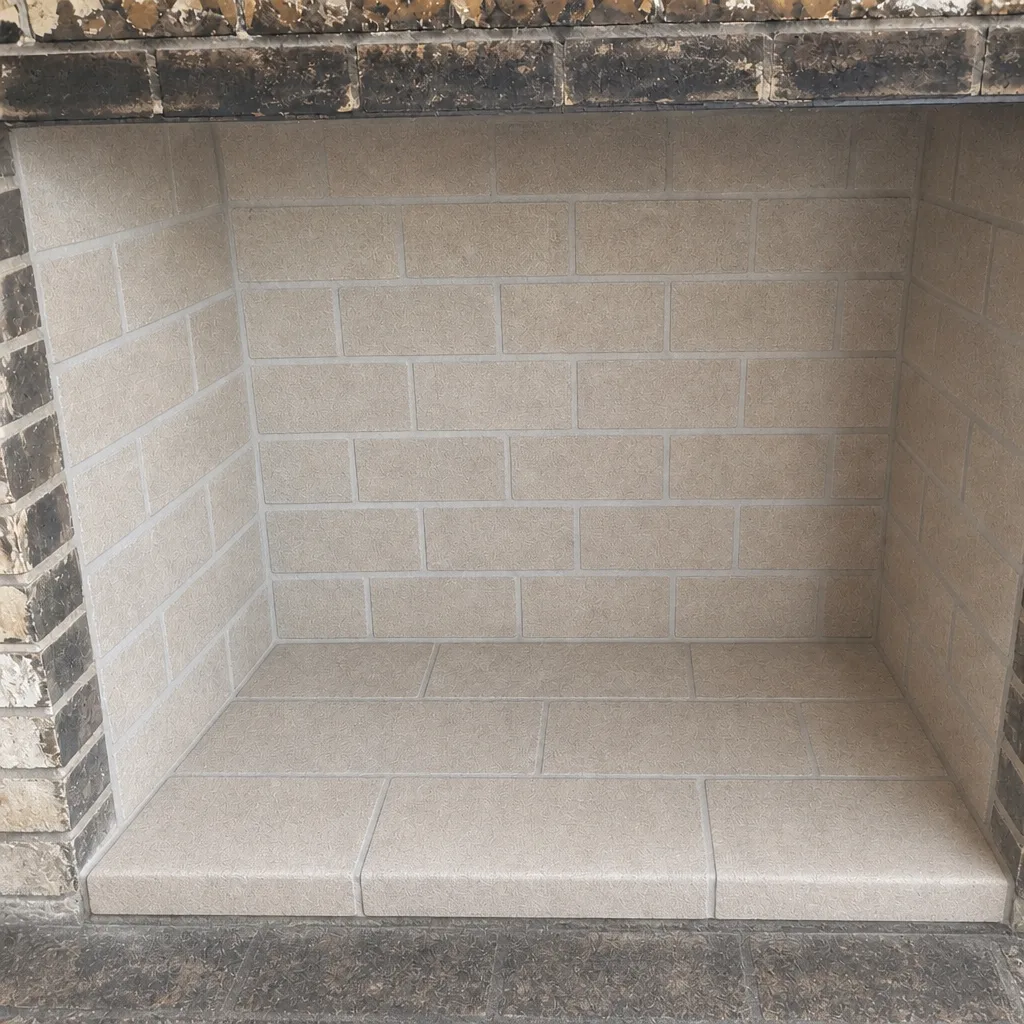 After
When to Call a Professional
Some situations need a trained chimney professional, not a general handyman and not a homeowner with a flashlight. Call a specialist if you’ve never had the chimney inspected and you don’t know its condition, if you’ve been using the fireplace regularly and it’s due for a cleaning, or if you’ve noticed anything unusual: a draft that pulls smoke back into the room, a smell from the firebox when it’s not in use, visible staining or cracking on the exterior masonry, a cap that’s loose or missing, or water getting in around the top of the chimney. If a home inspection or a real estate transaction turned up chimney findings, you need a written assessment you can act on and document. And if your chimney has never been lined, or you’re unsure, that’s a condition worth evaluating properly.
Chimney Sweep Fountain Valley offers free estimates in Fountain Valley. Call (877) 792-7543. We answer 24/7. Fast dispatch from 7am to 7pm, Sunday through Friday.
Frequently Asked Questions
A routine chimney cleaning is priced per job by a written estimate, and the estimate is free. The price depends on the system, the access, and what the inspection finds. Some quotes are unusually low because the scope is thin, so compare what each quote actually covers rather than the number alone. Call (877) 792-7543 for an exact quote; estimates are free.
Only if the inspection shows your existing liner is deteriorated, damaged at the joints, or absent. A flue with no liner, or a liner that’s failed, needs evaluation because it affects how the system contains combustion. But a recommendation without camera evidence you can see yourself isn’t a finding, and we won’t make one without that evidence. Ask to see the footage before you approve any liner work. Call (877) 792-7543 to schedule an inspection.
Most wood-burning chimneys should be cleaned when creosote buildup reaches a level that warrants it, which is often described as at least annually for a regularly used fireplace. That’s a guideline, not a formula. How much you burn, what you burn, and how the fireplace drafts all change the timing. In a mild climate like Fountain Valley’s, where fireplaces are often used heavily for a short stretch and idle for months, an annual inspection keeps you ahead of buildup and tells you whether a sweep is actually needed. Call (877) 792-7543 if it’s been a while.
Creosote builds up in the flue as wood burns, and enough of it is a real fire risk. A blocked or damaged flue can also let carbon monoxide back into the home. Those are genuine reasons to have the system inspected, not scare tactics. The specifics depend on your system and how it’s been used, which is why an inspection that shows you the condition is worth more than a general warning. Call (877) 792-7543 to get a clear picture of your chimney’s condition.
Ask what equipment they bring (a rotary sweep system, a HEPA vacuum, and a camera for the flue), what their most common local finding is, whether they handle liner repair and resurfacing themselves or refer it out, how they document their findings, and whether you’ll see the flue interior when they’re done. The answers to those five questions tell you whether you’re hiring a specialist. Call (877) 792-7543 to ask us any of them directly.
Yes, and they should. A cleaning and an inspection are legitimate standalone services, and plenty of chimneys are dirty but otherwise sound. A recommendation for repair should always come with camera evidence you can look at and a written scope that itemizes the work. If the inspection shows nothing needs fixing, you should hear that plainly. Call (877) 792-7543 to book a cleaning and inspection with no obligation on the repair side.
The Bottom Line
Hiring a chimney contractor in Fountain Valley comes down to separating a specialist from a generalist before anyone shows up. Verify the license for structural work through the California Contractors State License Board. Ask the five interview questions and listen for specifics. Check the equipment on arrival, because a rotary system, a HEPA vacuum, and a camera are visible and a shop vac and a hand brush are too. Be wary of low flat rates and free inspections bundled with cleaning. And insist on a written scope with camera evidence behind any recommendation, so you’re evaluating findings, not accepting assertions. The right company will show you what it found and tell you plainly what can wait.
The work spans the whole system, from the annual sweep through cap and crown work to liner installation and resurfacing. We use DuraFlex liner systems, Copperfield and Olympia Chimney product lines, Gelco and Famco caps and covers, and HeatShield resurfacing, because those are the materials chimney specialists actually use. One company from inspection through repair means no handoffs and no gap between what was found and what gets done.
Our technicians have up to 15 years of experience. Call (877) 792-7543 for a free estimate. We answer 24/7. Fast dispatch from 7am to 7pm, Sunday through Friday.
Written by the team at Chimney Sweep Fountain Valley.