
Last updated November 25, 2026
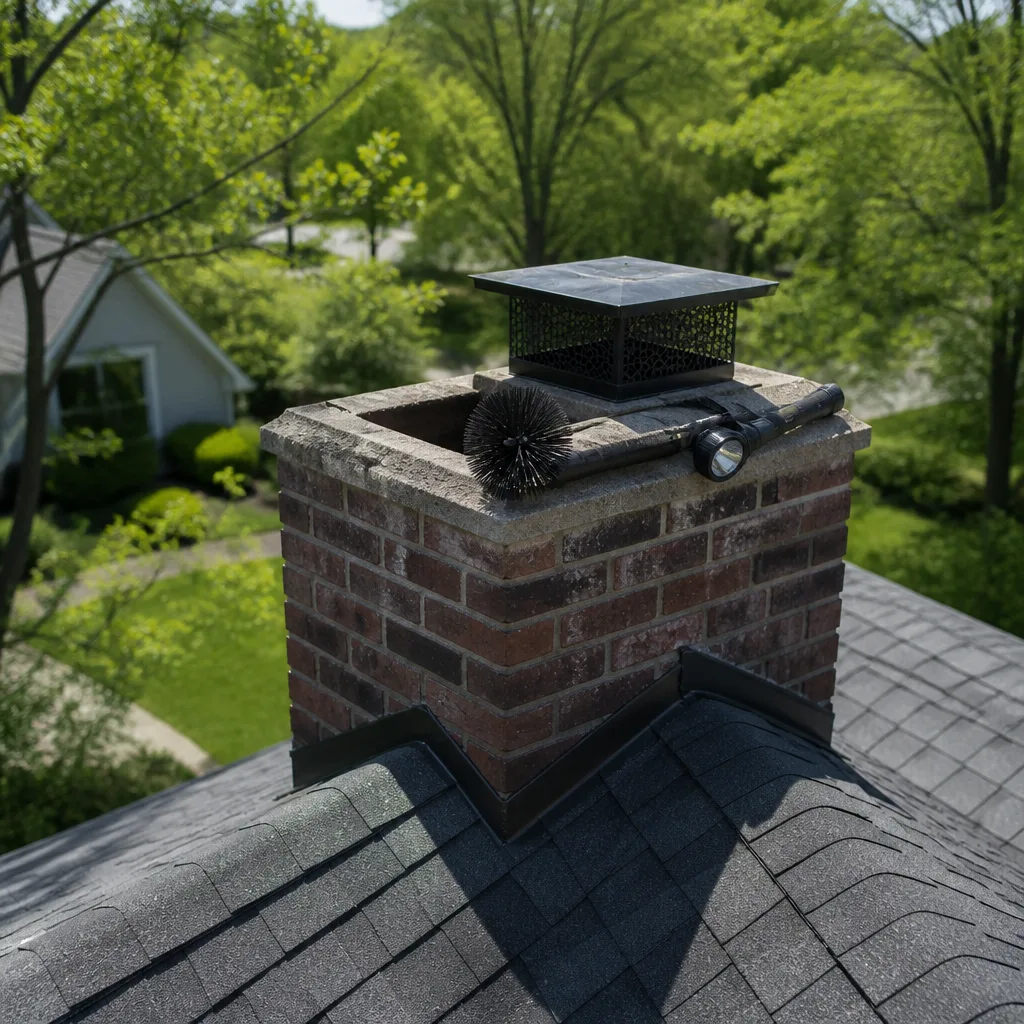 Sweep & inspection
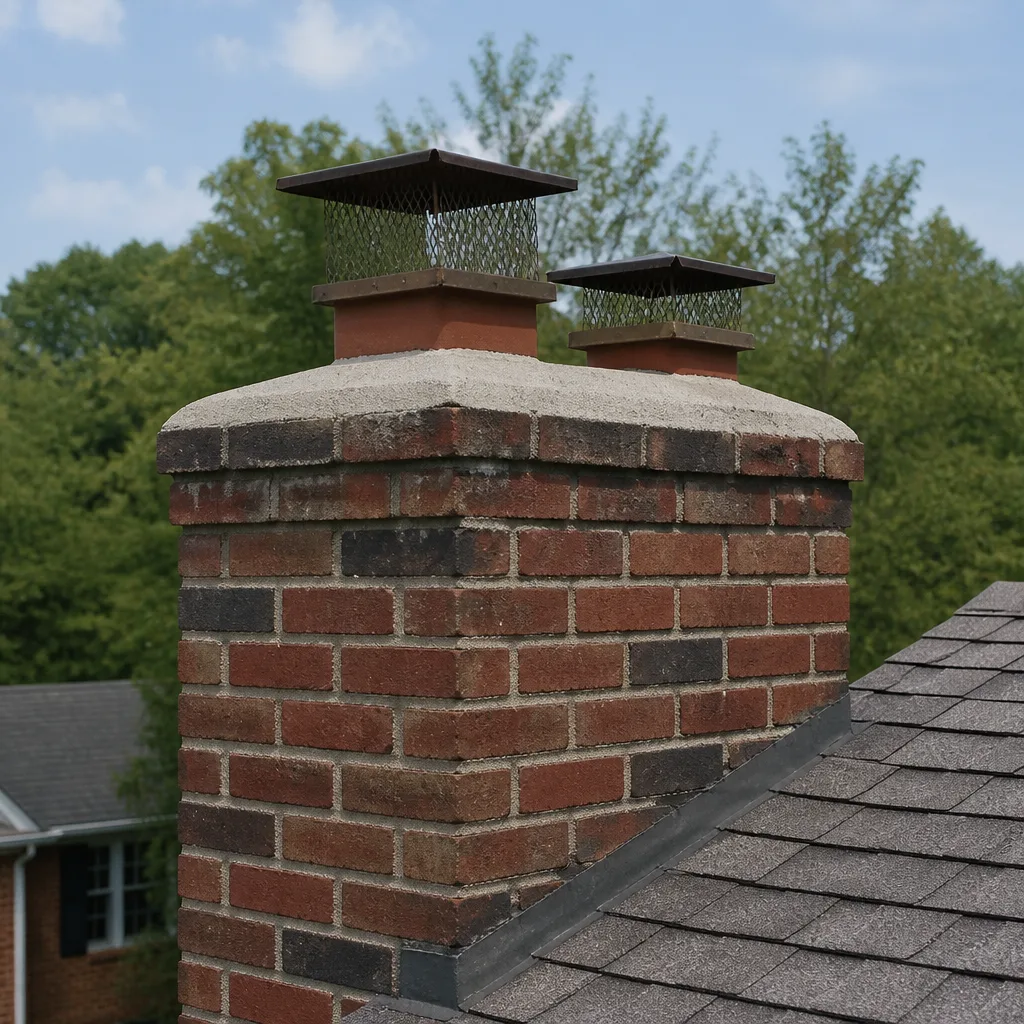 Caps & crowns
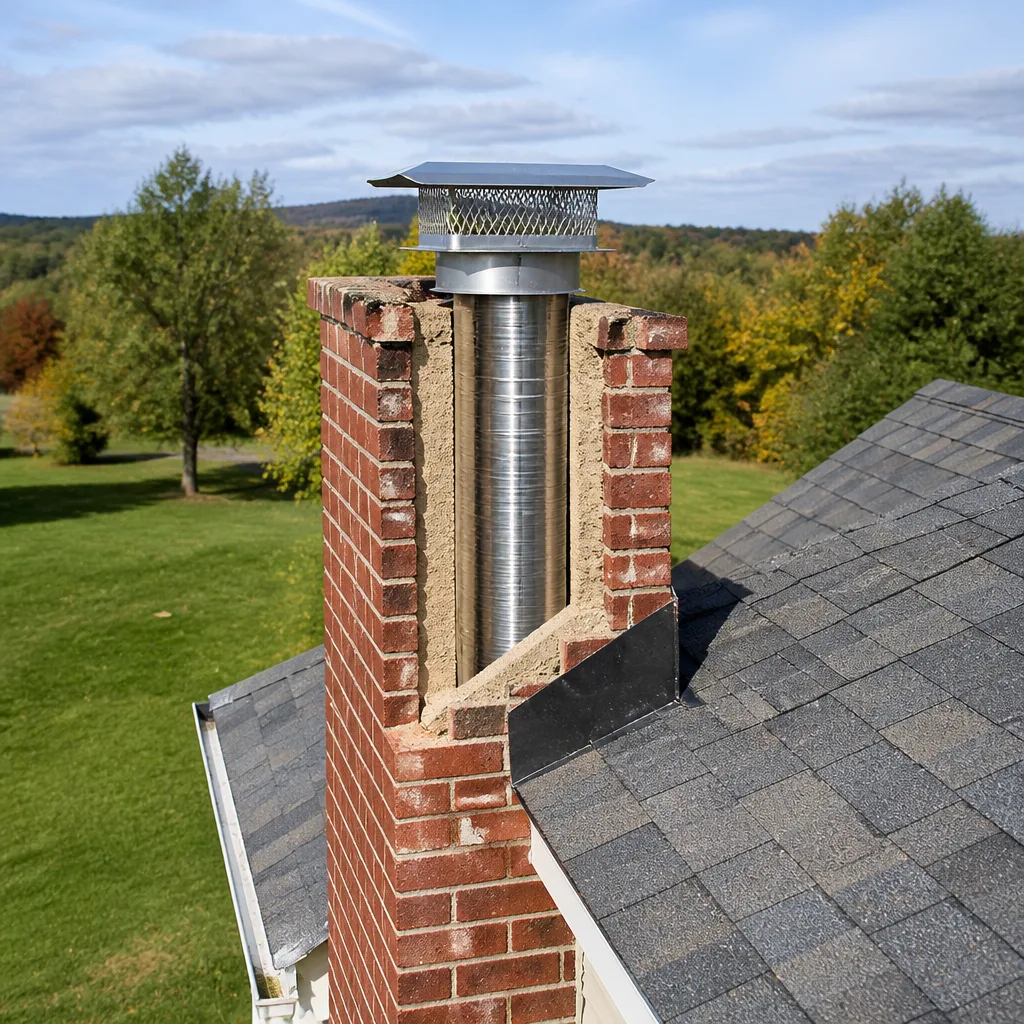 Flue relining
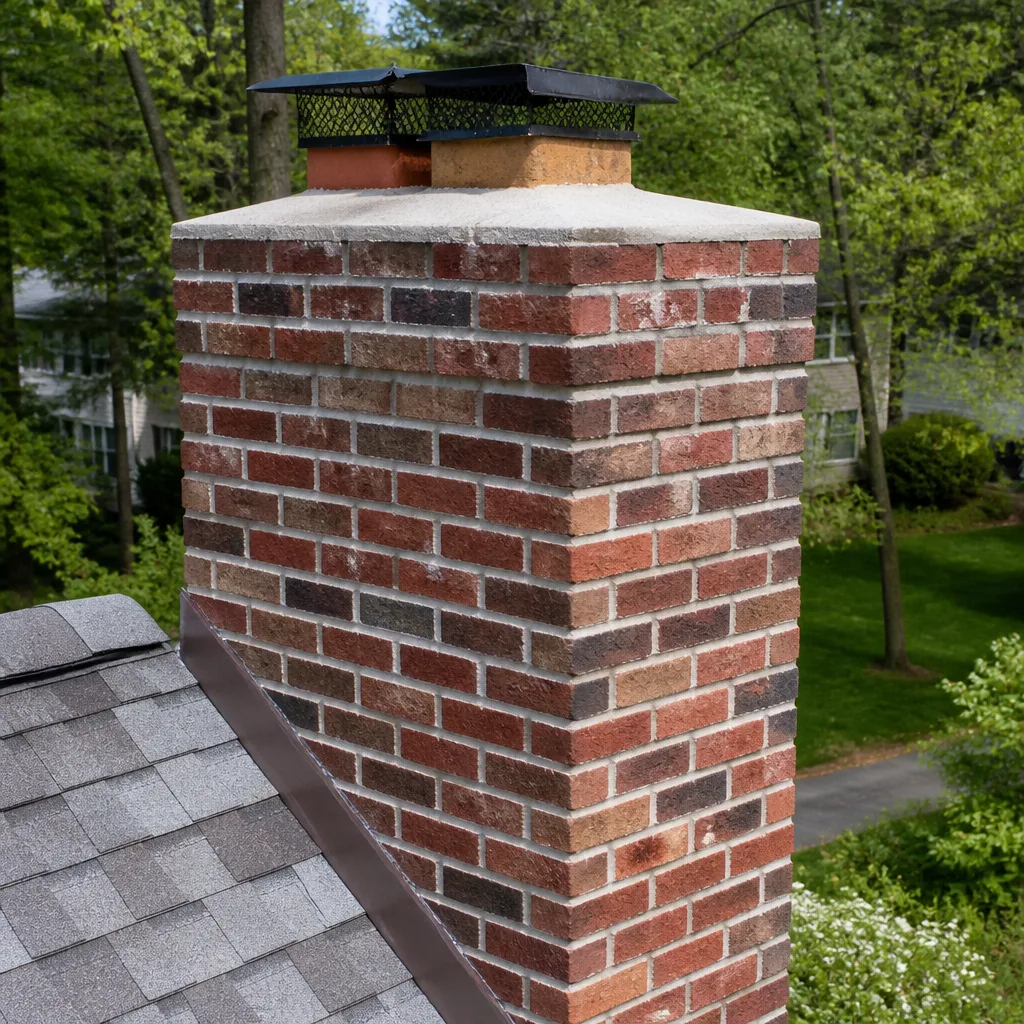 Masonry repair
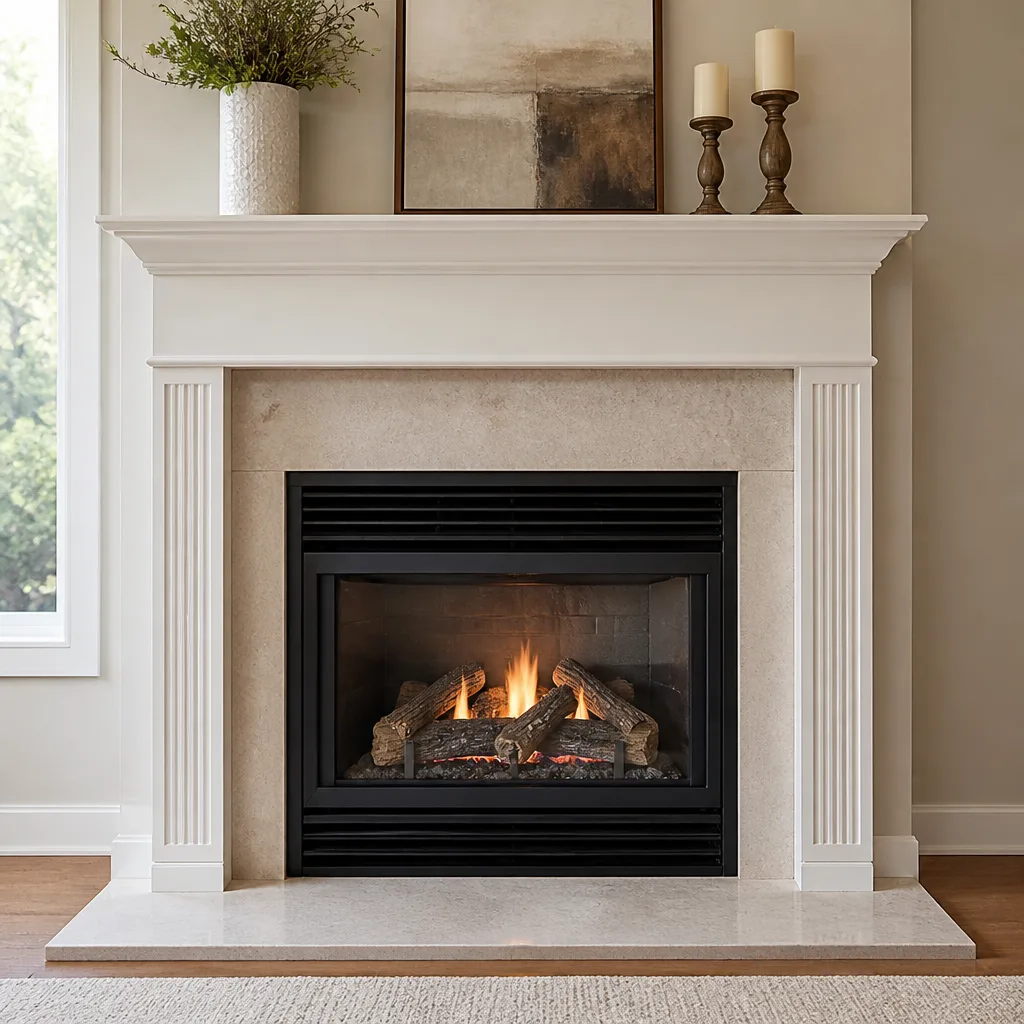 Gas fireplace service
Level 1 sweep and inspection to the NFPA 211 annual standard - flue, crown, cap, and flashing checked and photographed
Chimney sweep logs do not sweep chimneys. They loosen some creosote - which then falls where a brush and vacuum still have to collect it.
Chimney Cleaning Warning Signs: A Fountain Valley Homeowner’s Reference Guide
A white stain on the outside of your chimney isn’t a decorating problem. It’s a diagnostic message. That chalky white efflorescence, or the black staining below the cap, or the rust streaks running down the flashing, all tell a story about what’s happening inside the masonry, and most of that story starts before the stain ever appears. Here’s the part that catches Fountain Valley homeowners: they tend to misread the signs in both directions. They shrug off a smoke smell or a tar streak as normal, then panic over a cosmetic crack that’s been stable for years. This guide gives you a triage system. We’ll walk through what’s cosmetic, what’s worth watching, and what means the fireplace should stay dark until someone qualified looks at it. By the end you’ll know how to read stains, smells, draft problems, and sounds the way a technician does, and you’ll know exactly when it’s time to book a chimney sweep rather than guess.
Quick Answer
Chimney warning signs fall into three zones: cosmetic (normal soot and weathering), monitor-worthy (moderate staining, occasional smoke smell, small cracks you can track over time), and stop-and-call (rust on the firebox, strong musty or tar odor, smoke rolling into the room, or any popping or hissing sound during a fire). The stop-and-call signs point to problems that can compromise safety – a damaged flue, blocked passage, or water intrusion into the structure – and they mean no more fires until a professional inspection clears the system. In Fountain Valley’s climate, water intrusion from a failed crown, cap, or flashing is the most common root cause behind the staining signs we see, which is why the exterior tells you so much about the interior.
Styles & brands we work with
- Sweep & inspection
- Caps & crowns
- Flue relining
- Masonry repair
- Gas fireplace service
Table of Contents
- Why chimney warning signs are easy to misread
- Reading stain colors: what white, black, rust, and brown actually mean
- Odor diagnostics: musty, tar, and smoke-when-not-in-use
- Draft and performance signals: why a smoking fireplace has many causes
- Sound indicators: popping, hissing, and animal noise
- The “don’t light another fire” threshold
- Water intrusion: the crown, cap, and flashing connection
- A seasonal calendar for Fountain Valley chimney care
Why chimney warning signs are easy to misread
Chimney problems are slow, and that’s the trap. A house fire from a blocked flue gets attention. A hairline crack in the firebox liner that grows a millimeter a year does not. By the time a homeowner notices something obvious, the underlying issue has usually been developing through several seasons. Recognizing the early signs is what keeps a small repair a small repair.
Fountain Valley sits in a mild inland valley climate where fireplaces get used in the cooler months for warmth and atmosphere but rarely run continuously through a deep winter. That pattern has two effects worth understanding. First, the creosote deposits that build up are often lighter per season than in a cold-snow climate, but they still accumulate and still need removing before they reach a dangerous thickness. Second, the mild weather means the chimney’s exterior spends more of the year wet from dew, rain, and morning moisture than it does frozen, so water-related deterioration is a bigger concern here than ice damage.
We’ve seen the same pattern repeatedly: a home where the fireplace looks perfectly fine from the living room but the crown on the roof has been pulling away from the flue for years. The interior is where you live. The exterior is where the diagnosis happens. Learn to read what the roof is telling you and you’ll catch more problems earlier than anyone looking only at the firebox.
One more reason signs get misread: not every chimney has a professional-grade liner. Older homes, and some that were remodeled before liner standards tightened, can have flue interiors that were never properly lined, or were lined with materials now considered inadequate for the heat they take. If you aren’t sure what you’re working with, that uncertainty is itself a reason to get an inspection. A chimney professional reads the flue interior the same way a doctor reads an X-ray: the signs are there if you know where to look.
Reading stain colors: what white, black, rust, and brown actually mean
The color of a stain on your chimney tells you about the process that created it. White, black, rust, and brown each come from a different mechanism, and each points toward a different underlying problem. This is the single most useful thing a homeowner can learn: what you’re seeing on the exterior is a material signature, not just discoloration. Use it like a triage chart. None of these are emergencies on their own, but each one is a reason to have someone look.
Here’s how to read each color:
- White, chalky, powdery (efflorescence): This is mineral salt drawn to the surface by water moving through the masonry and evaporating. It means moisture is inside the brick or mortar and is finding a path out. In Fountain Valley, the usual culprit is a crown, cap, or flashing failure that let water in; the stain appears after the leak has been working. Efflorescence alone won’t collapse a chimney, but ignore it and the water keeps dissolving mortar from the inside. It’s a monitor-worthy sign that usually warrants a professional look at the top of the chimney.
- Black, glossy, or crusty: Black soot is normal in moderation near the top of the firebox opening. Glossy black or crusty black buildup well up the face of the chimney is different: it can indicate the smoke has been escaping through a crack or a failed joint rather than going up the flue. That’s a structural question, not a cleaning one. A chimney repair assessment is the right call when black staining sits above the firebox and the firebox itself looks clean.
- Rust or orange-brown: Rust streaks on the exterior usually trace back to metal components – the cap, the damper, the flashing – corroding because water is sitting on them. Rust inside the firebox or on the damper frame tells you moisture is reaching metal that should stay dry. This is a stop-and-call sign if the rust is heavy or paired with flaking metal.
- Brown, tea-colored: Brown staining on the masonry face often means water is carrying creosote or dissolved minerals down the outside of the chimney. It usually appears below the crown or near the flashing where water enters. It’s cosmetic on the surface, but the underlying leak is the real issue. Treat it as a monitor-worthy sign and get the top of the chimney checked.
The habit that pays off is simple: take a photo of your chimney from the ground every few months and compare. A stain that hasn’t changed in two years is a different conversation than one that’s spreading. When you spot a color you can’t place, that’s a good moment to call. Call (877) 792-7543. We answer 24/7. Fast dispatch from 7am to 7pm, Sunday through Friday.
Odor diagnostics: musty, tar, and smoke-when-not-in-use
Smell is one of the most reliable diagnostic tools a homeowner has, and one of the most misread. A musty smell, a tar or asphalt smell, and a smoke smell when there’s no fire going all come from different causes – and each one means something different about what to do next. Learning to tell them apart saves you from guessing, and guessing is what leads to unnecessary work or ignored problems.
The musty smell. Musty odors usually point to moisture. Water is trapped somewhere in the system – often in the masonry, sometimes around a failed crown or in a soot-clogged flue that’s been damp for a while. Musty isn’t an emergency, but it’s a strong monitor-worthy sign. Combined with white efflorescence on the exterior, it’s close to a confirmed water intrusion and worth a professional look before the next cool season.
The tar or asphalt smell. This is creosote. Creosote has a distinct, heavy, slightly chemical odor, and a strong tar smell well before fire season suggests a thick deposit somewhere in the flue. It’s a sign the chimney is overdue for a sweep, and in the worst case it means the deposit is heavy enough to need the attention of someone who can assess it against the material it’s sitting on. Never treat a persistent tar smell as background noise. It means there’s fuel coating the inside of the flue, and that’s exactly the material that ignites in a chimney fire.
The smoke smell when there’s no fire. This one is the most misunderstood. A smoke smell in the house with the fireplace cold can mean several things: a negative-pressure problem pulling air down through the chimney, a damaged flue liner letting air cross into the house, or a blockage that’s shifted and is now funneling air rather than smoke. The one thing it usually doesn’t mean is that you just need the chimney swept. It’s a performance and condition question.
For any of the three, your first move is to stop using the fireplace until the cause is identified. Then get the system inspected. Our technicians have up to 15 years of experience reading these exact signals, and the instruments we use tell us what the nose can only hint at.
Draft and performance signals: why a smoking fireplace has many causes
A fireplace that smokes into the room has at least five distinct possible root causes, and the reason guessing wastes money is that the fix for each one is completely different. You can spend real money on a repair that has nothing to do with your actual problem if you jump to the first plausible explanation. This is one of the most common mistakes we see in Fountain Valley, where homes range from midcentury builds to newer construction and the chimney systems vary widely in design and condition.
Here’s the range of what a smoking fireplace can mean, each a different fix:
- Negative pressure in the house. Modern homes are tighter than the houses these fireplaces were built for. Exhaust fans, kitchen hoods, and the house’s own air sealing can pull more air out than the chimney can pull in, so smoke comes into the room instead of going up. The fix is often about air supply and balance, not the chimney itself.
- A blocked or partially blocked flue. Nesting debris, soot, a collapsed section of liner, or a wrong-sized cap can narrow the passage enough that draft fails. This is a sweep-or-repair question and needs a real look inside.
- A damaged liner. Cracks or gaps in the flue interior let smoke escape into the wall cavity or attic instead of going up. This is a structural problem and a strong stop-and-call sign once identified.
- Chimney height or cap problems. A chimney that’s short for its surroundings, or a cap that’s failing, can change the pressure pattern above the roofline. Sometimes the fix is structural work at the top.
- Wet wood or a cold flue. Damp firewood creates more visible smoke, and a cold flue in a mild climate can struggle to warm up before it starts drafting properly. This is a habits-and-usage issue rather than a repair.
The point of listing all five is that you shouldn’t try to diagnose which one you have from the armchair. The wrong guess is an expensive way to solve half a problem. A trained eye looks at the flue interior, the cap, the crown, the height, and the house itself and rules out causes in order of likelihood. That’s how you go from “the fireplace smokes” to “here’s the fix and here’s why.”
Sound indicators: popping, hissing, and animal noise
Your ears are another diagnostic tool, and the sounds from a chimney fall into a few clear categories – each with its own meaning and its own urgency. The most important one to know is the popping or hissing sound itself. If that’s what you’re hearing, the fireplace should already be out of service.
Here’s how to sort the sounds you might hear:
- Popping, crackling, or hissing that isn’t coming from the wood itself: This is the sound of a number of small chimney fires happening inside the flue. It’s a classic sign of creosote igniting. Stop using the fireplace immediately, make sure everyone is out of the room, and treat it as an emergency. If you aren’t sure whether it’s the wood or the flue making the noise, err on the side of stopping the fire anyway. This is the most serious sound indicator on this list.
- A loud roaring or a low pulsing rumble: A chimney fire in progress. Call the fire department if you see black smoke, sparks, or a strong smell of burning creosote coming from the chimney, and get out if the structure itself is involved. Afterward, the chimney needs a full inspection before it’s used again.
- Scratching, skittering, or chirping from the flue, especially when there’s no fire: Animal activity. Birds, squirrels, and raccoons all move into flues to nest, and the presence of a cap isn’t always enough to prevent it. Animals in the flue mean a blocked flue, which is a stop-and-call situation – a chimney that can’t vent properly is not safe to use.
- A loose metallic clatter or rattling: Usually a loose damper, a damaged cap, or debris that’s come free inside the flue. Worth a look, less urgent than the above, but don’t ignore it through the season and expect it to fix itself.
The pattern to remember: sounds that come out of the chimney without a fire going are usually animals or debris. Sounds coming from the chimney during a fire that aren’t the fire itself are usually the fire where it shouldn’t be. One is a call this week. The other is a call now.
The “don’t light another fire” threshold
Some signs mean the fireplace should be taken out of service today, and the honest truth is that the threshold is easier to cross than most homeowners expect. The purpose of this section is to give you a specific, defensible line – not to scare you into a call every time the damper sticks. The criteria below are the ones professionals treat as serious, and the reason is consistency: each of them can put your safety at risk if ignored.
Take the fireplace out of service until it’s been inspected if any one of these is true:
- You hear popping, hissing, or roaring during a fire, or a strong creosote smell that lingers after the fire is out.
- Smoke is consistently rolling into the room instead of going up, even after the firebox has warmed up.
- You see visible rust on the firebox walls, damper, or metal components, or flaking on the inner firebox surface.
- You find white, chalky staining on the exterior combined with a musty interior smell – a likely sign of heavy water intrusion.
- You see heavy black staining above the firebox or along the chimney face where it shouldn’t be.
- You hear animal noise in the flue, or you see signs of debris falling into the firebox when no fire is burning.
- The firebox walls or flue interior show visible cracks or gaps you can see with a flashlight, especially if they look dark at the edges.
Two of those signs together, even if neither is dramatic on its own, are reason to stop. If you’re on the fence, the safe move is to stay cold until an inspection either clears the system or gives you a specific reason to repair it. Call (877) 792-7543 for a professional assessment. We answer 24/7. Fast dispatch from 7am to 7pm, Sunday through Friday.
Water intrusion: the crown, cap, and flashing connection
If you had to pick the single most neglected source of chimney damage, it would be water. Not fire, not creosote, not age – water. Water coming through the top of the chimney is the cause behind most of the stains, smells, and structural deterioration this guide describes, and it’s usually traceable to three components: the crown, the cap, and the flashing. Look at those three and you’ve diagnosed most of what’s happening to the exterior of your chimney. In Fountain Valley, where the chimney sits wet through the cool months and dry through the warm ones, the cycle of absorbing and drying is what slowly undoes weak masonry.
Here’s what each of those components does and what to watch for:
- The crown. The crown is the concrete or masonry cap at the very top of the chimney structure. It’s designed to shed water away from the flue opening. When it cracks, pulls away from the flue, or loses its slope, water gets in and starts dissolving mortar and carrying salts to the surface. That’s what shows up as white efflorescence. A crown in good repair is the first line of defense, and restoring one is often the most cost-effective single fix for a chimney with chronic exterior staining.
- The chimney cap. The cap is the metal or masonry cover at the top of the flue. It does two jobs: it keeps rain and animals out, and it changes the airflow pattern around the top of the chimney. A missing, damaged, or wrong-sized cap is one of the simplest problems to fix, and one of the most consequential if left. We install and replace caps from Gelco and Famco product lines because those are built to last in an outdoor climate.
- The flashing. The flashing is the metal seal at the base of the chimney where it meets the roofline. It’s the least glamorous part of the chimney and the one most likely to fail. When flashing pulls away from the roof or the chimney, water runs down the side of the chimney and into the attic or wall cavity. Brown tea-colored staining near the roofline is often the first visible sign of a flashing failure.
The repair story for water intrusion is usually simpler than homeowners fear. Restoring a crown and cap, sealing the flashing, and resurfacing the flue interior with HeatShield – a professional repair-without-replacement approach for cracked or deteriorated liners – resolves a lot of the chronic staining without a full rebuild. When a liner needs to be replaced rather than resurfaced, we install DuraFlex flexible liner systems, which are built for the job. Either way, the repair is targeted at the actual failure, not a guess at it.
Water intrusion is also a good example of a problem where it’s fine to plan rather than rush. A slowly spreading stain doesn’t need a same-day response. A visible leak into the living space, or rust on metal components, does.
A seasonal calendar for Fountain Valley chimney care
Fountain Valley doesn’t have a hard winter like the mountain regions do, but it has a fire season and a wet season, and the chimney responds to both. A seasonal rhythm for chimney care makes the warning signs easier to catch because you’re looking at the right things at the right time rather than reacting to problems after they’ve developed. Here’s a practical schedule for a Fountain Valley home.
Early fall, before the first fire. Have the chimney inspected and swept before the season starts. The inspection is your baseline: it documents the current condition of the flue, firebox, crown, cap, and flashing, and it tells you what needs attention before you light the first fire. A clean chimney is the starting point – the cap, crown, and liner condition determine whether it stays that way. If the inspection turns up a cracked liner or deteriorated flue surface, fall is the right time to schedule a resurfacing or liner upgrade rather than discovering the problem in December.
During the burn season. Watch for the warning signs in this guide. Pay attention to how the fireplace behaves when it’s cold, whether the smoke is going up cleanly, and whether you smell anything you didn’t before. Stop using the fireplace if you notice any of the “don’t light another fire” signals.
Late winter to early spring. After the last fires, do an exterior check from the ground: any new staining since fall, any visible signs of water, any change in the crown or cap. Take a photo so you have something to compare. If it’s time for the next inspection or sweep, book it before the summer heat makes roof work unattractive for everyone.
Summer. The off-season is the best time to book repair work, resurfacing, cap and crown replacement, and liner upgrades. Our technicians have up to 15 years of experience across the full scope of chimney and fireplace work, and doing the structural repairs in the dry season is easier than trying to plan around a fire in the box. Fireplace repair and chimney repair during the summer means a system that’s ready to go when the weather cools. Call (877) 792-7543 to book. We answer 24/7. Fast dispatch from 7am to 7pm, Sunday through Friday.
Common Mistakes to Avoid
- Treating every stain the same. White, black, rust, and brown stains each come from a different mechanism, and they point to different fixes. Painting over a stain to “clean it up” hides the diagnostic signature and delays the real repair. Read the color first, then call.
- Skipping the exterior check entirely. Most warning signs are visible from the ground before they’re visible from the firebox. A two-minute walk around the chimney a few times a year, with a photo for comparison, catches water intrusion before it becomes structural.
- Guessing at a smoking fireplace. Five different root causes, five different fixes. The most common mistake is to schedule a sweep for what turns out to be a negative-pressure problem, or to assume a draft issue is a repair when it’s a habits fix. Get the diagnosis before the work.
- Ignoring a musty smell through the off-season. Musty odors are moisture, and moisture doesn’t go away when the weather cools. It gets worse. Address it in the summer before it has another wet season to work on the masonry.
- Using a general handyman for structural chimney work. Sweeping, crown repair, liner resurfacing, and cap installation all require specific tools and materials. A professional-grade product like HeatShield or DuraFlex requires proper installation to work as designed, and general contractors don’t typically carry the product lines or the training. Use a specialist.
- Assuming a steel chimney cap “isn’t worth the money.” A cap is one of the least expensive parts of the chimney and one of the highest-impact for water. We install caps from Gelco and Famco for exactly this reason: small part, big job.
- Waiting for a fire to flare up before taking warning signs seriously. A chimney fire is a consequence, not a symptom. The signs on this list appear before the fire does, and acting on them is the whole point. When you’re unsure, call. Call (877) 792-7543. We answer 24/7. Fast dispatch from 7am to 7pm, Sunday through Friday.
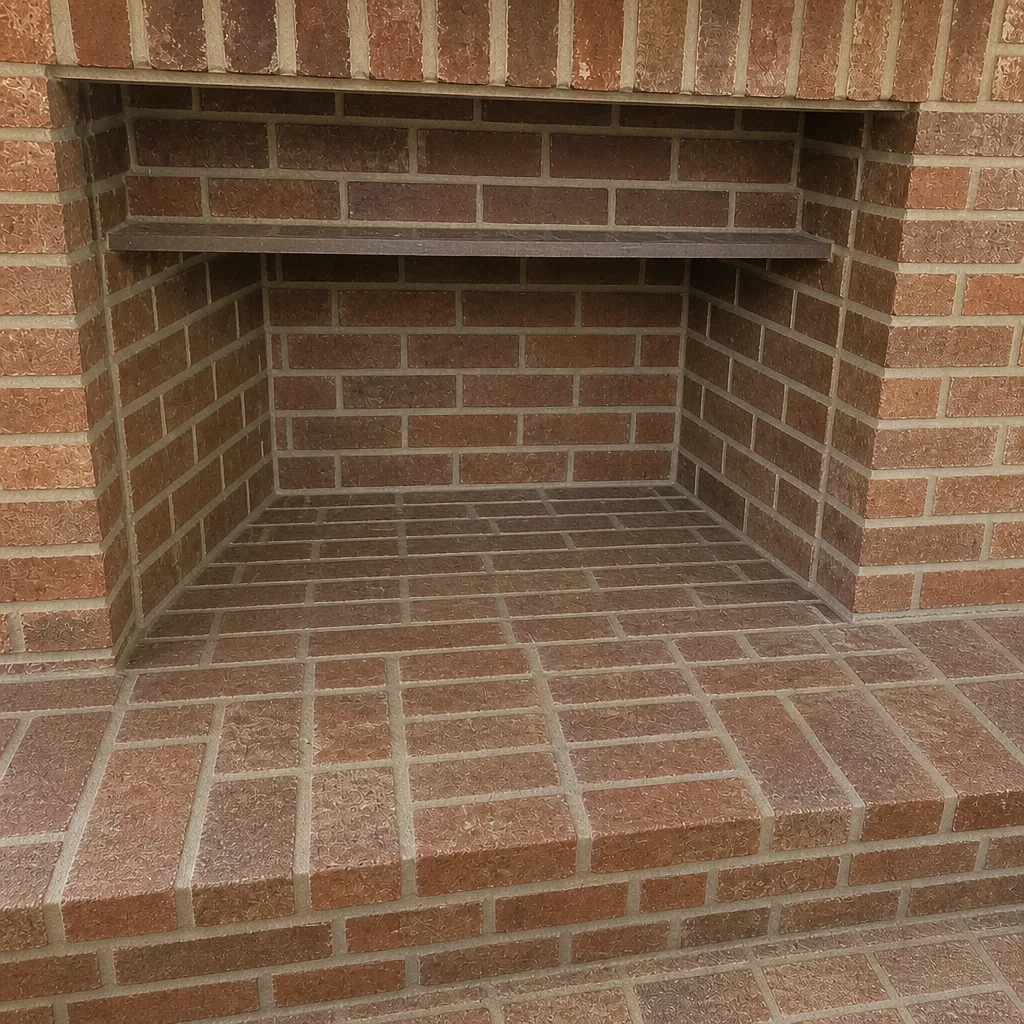
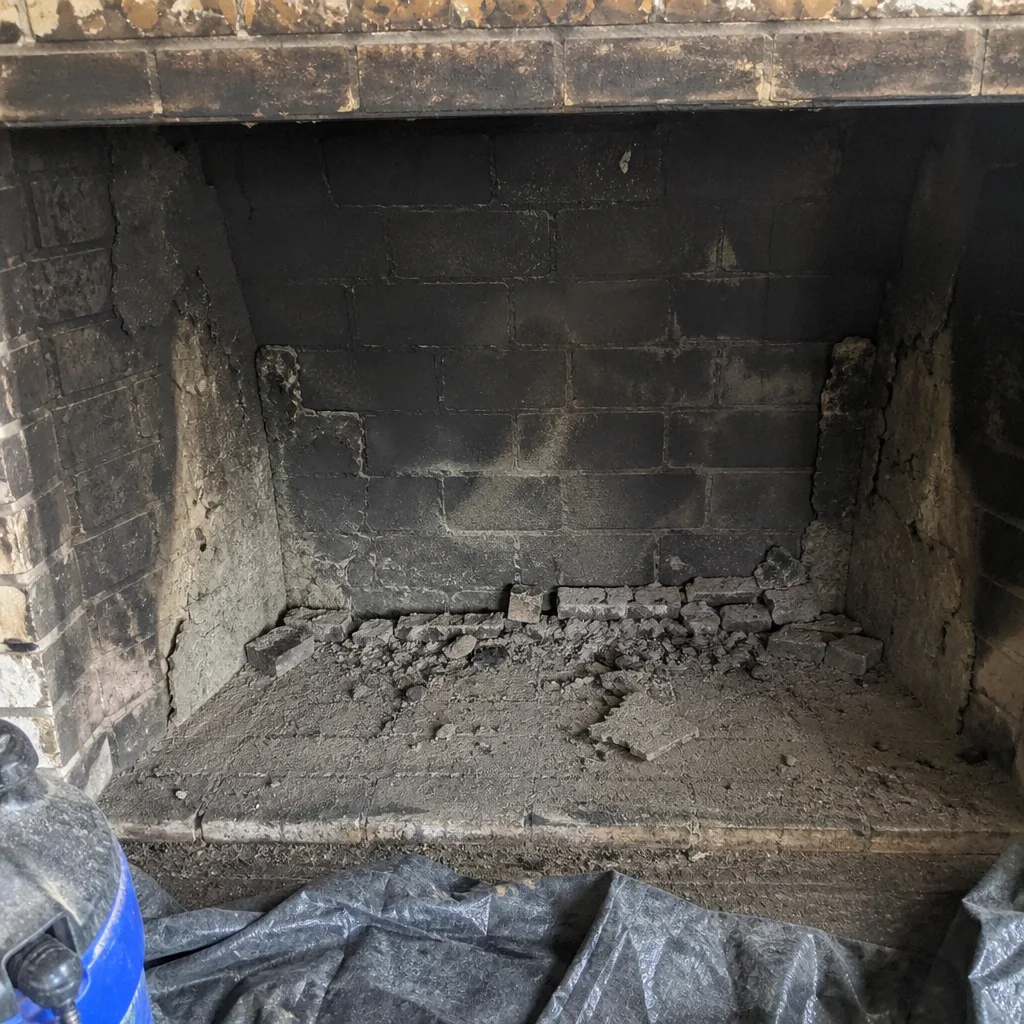
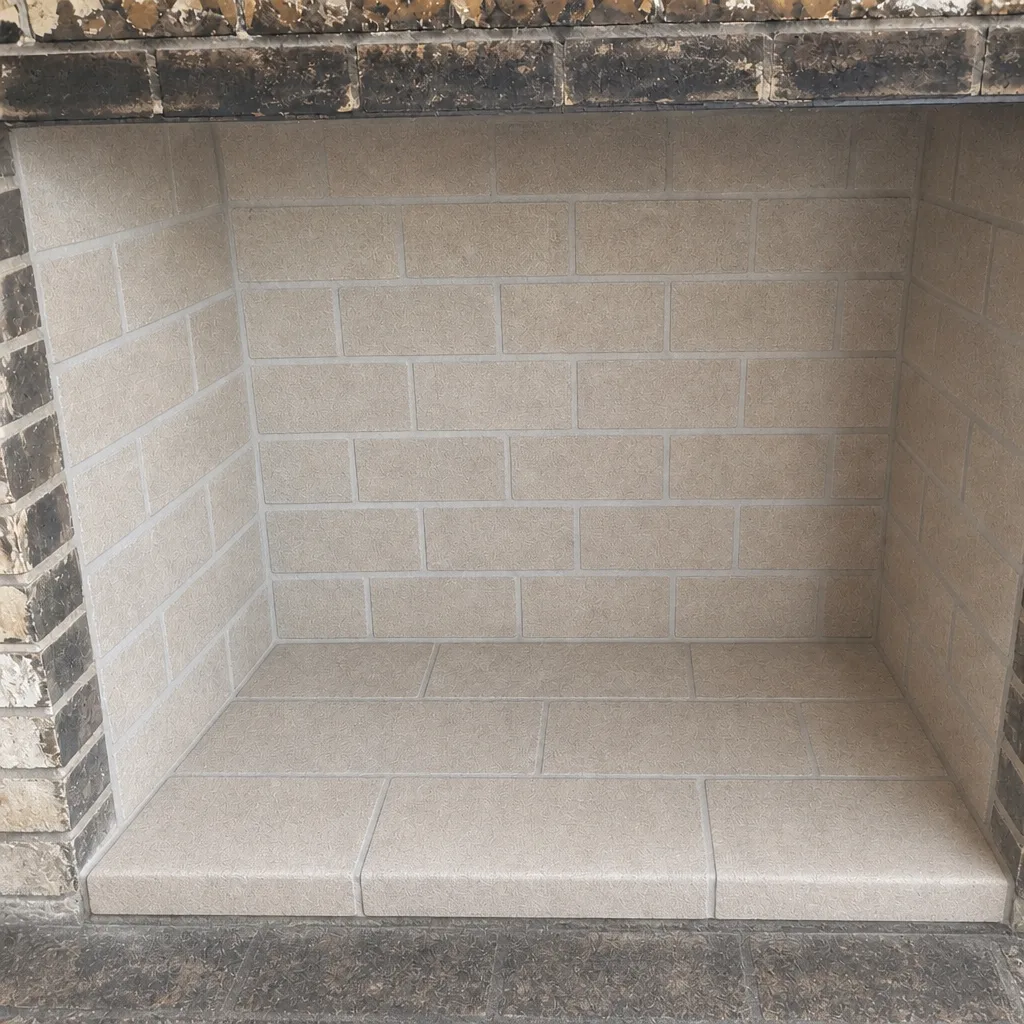
See the difference
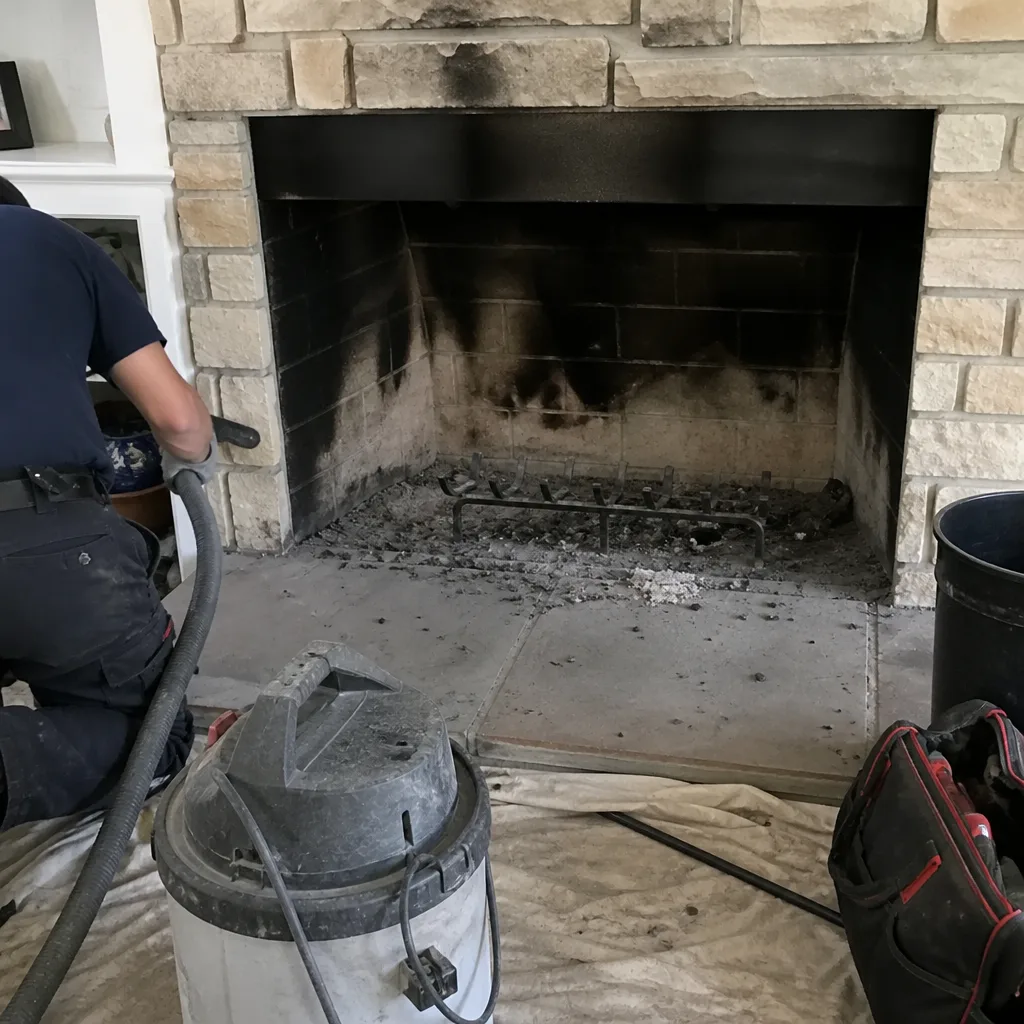 Before
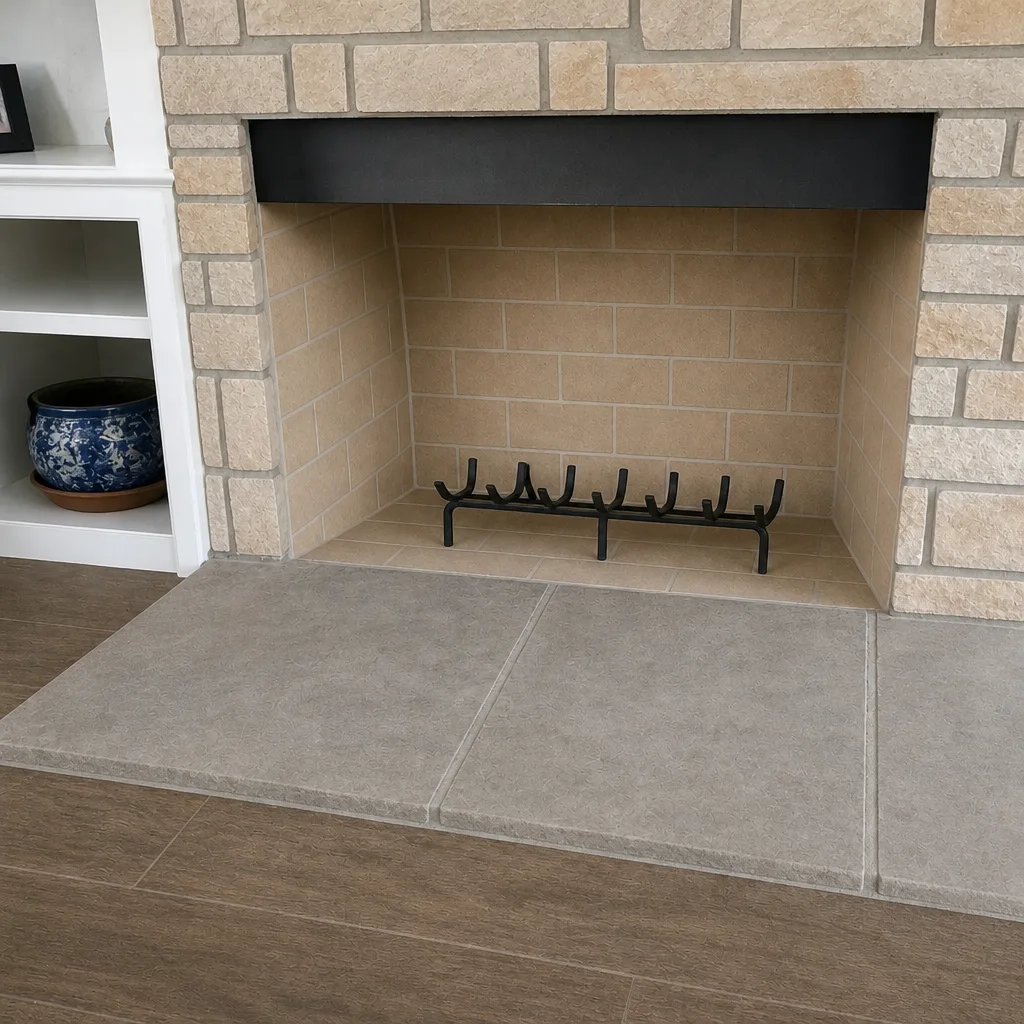 After
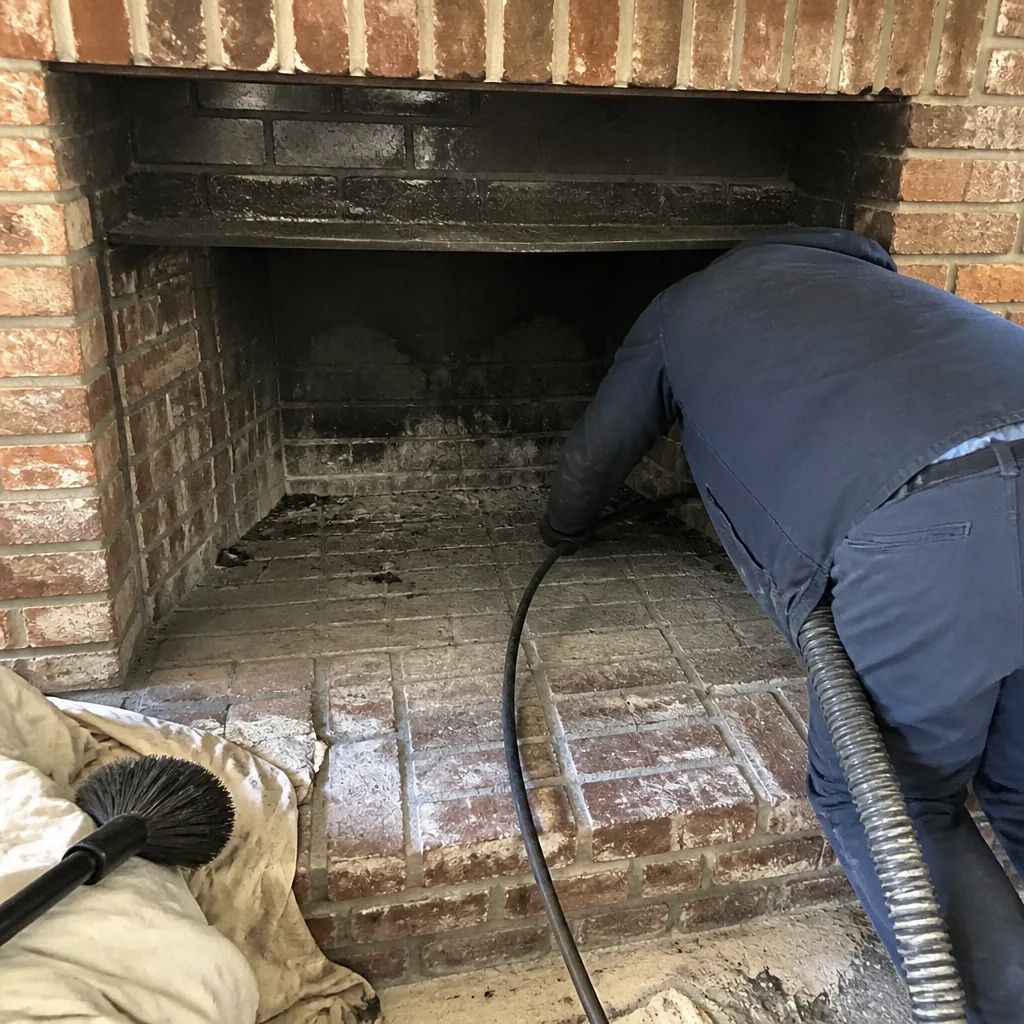 Before
 After
 Before
 After
When to Call a Professional
Call a professional chimney specialist when you see any stop-and-call sign in this guide: smoke rolling into the room, rust inside the firebox, popping or hissing during a fire, heavy staining combined with a musty smell, or animal noise in the flue. Also call if the fireplace has been sitting unused for years and you’re about to start using it again – a system that hasn’t been inspected in a while needs a baseline before it’s trusted with a fire. Call before the first cold snap of the season, and call sooner if a sign points toward a developing problem. Chimney Sweep Fountain Valley offers free estimates in Fountain Valley. Our work covers the full scope: inspection, sweeping, crown and cap work, liner resurfacing with HeatShield, DuraFlex liner installation, and fireplace repair when the box itself needs attention. Call (877) 792-7543. We answer 24/7. Fast dispatch from 7am to 7pm, Sunday through Friday.
Frequently Asked Questions
Once a year for most homes is the standard recommendation, and more frequently if the fireplace is used heavily or the fuel is not well seasoned. The right interval for your chimney depends on how much you burn and what the flue looks like on inspection. An annual sweep and inspection covers both. Call (877) 792-7543 to book. Estimates are free.
White, chalky staining is efflorescence, and it means water is moving through your masonry and carrying mineral salts to the surface as it evaporates. It usually points back to a leaking crown, cap, or flashing. The stain appears after the leak has been working for a while, so it’s a signal to check the top of the chimney. Call (877) 792-7543 for an inspection. Estimates are free.
A strong tar or asphalt smell is creosote, and it means there’s a significant deposit of combustible material inside the flue. It’s not an immediate emergency, but it’s a reason to stop using the fireplace until the chimney is swept and inspected. Creosote is the material that fuels chimney fires. Call (877) 792-7543 to schedule the sweep. Estimates are free.
A fireplace that smokes into the room should not be used until the cause is identified. Smoke coming into the room means draft has failed, and there are five common root causes: negative pressure, a blocked flue, a damaged liner, chimney height or cap problems, or wet wood. Guessing at the cause often leads to spending money on the wrong fix. Get a professional inspection first. Call (877) 792-7543. Estimates are free.
You can, but you shouldn’t, at least not before the underlying problem is fixed. The stain is a diagnostic signature – it tells a professional what kind of problem is happening inside the masonry. Painting over it hides the evidence and lets the real issue continue. Fix the water intrusion first, then address the appearance. Call (877) 792-7543 for a diagnosis. Estimates are free.
Scratching or skittering sounds in the flue usually mean an animal has moved in. Birds, squirrels, and raccoons routinely nest in chimney flues, and their presence can block draft, add debris, and create a stop-and-call situation until the flue is cleared and a proper cap is installed. Cape installation and repair is part of our scope. Call (877) 792-7543 for an inspection. Estimates are free.
It depends on what the signs point to. Soot and light creosote are a sweep. Stains, water intrusion, damaged crowns, damaged caps, and cracked liners are a repair or a structural fix. An inspection sorts it out because the flue interior tells you what the exterior only hints at. Call (877) 792-7543 to schedule the inspection. Estimates are free.
HeatShield is a resurfacing system for damaged flue interiors – it seals cracks and restores the flue surface without a full replacement, when the flue is a good candidate for that approach. DuraFlex is a flexible liner system for homes that need a code-compliant upgrade or a full replacement of the flue liner. Both are professional-grade products, and both are part of what we install. Which one is right for you is a question for the inspection. Call (877) 792-7543. Estimates are free.
The Bottom Line
Chimney warning signs are readable, and the color and character of what you see on the exterior tells you a lot about what’s happening inside. White efflorescence means water intrusion, tar smells mean creosote, black staining above the firebox means a structural or escape problem, and popping or hissing during a fire means the fireplace is done for the season until an inspection says otherwise. Read the sign, sort it into cosmetic, monitor, or stop-and-call, and act accordingly. The one rule that never fails: when you’re unsure, stop the fire and get the inspection. Chimney Sweep Fountain Valley handles the full arc – inspection, sweep, cap and crown, HeatShield resurfacing, DuraFlex liner installs, and chimney repair. Call (877) 792-7543. We answer 24/7. Fast dispatch from 7am to 7pm, Sunday through Friday. Estimates are free.
Written by the team at Chimney Sweep Fountain Valley.