
Last updated November 25, 2026
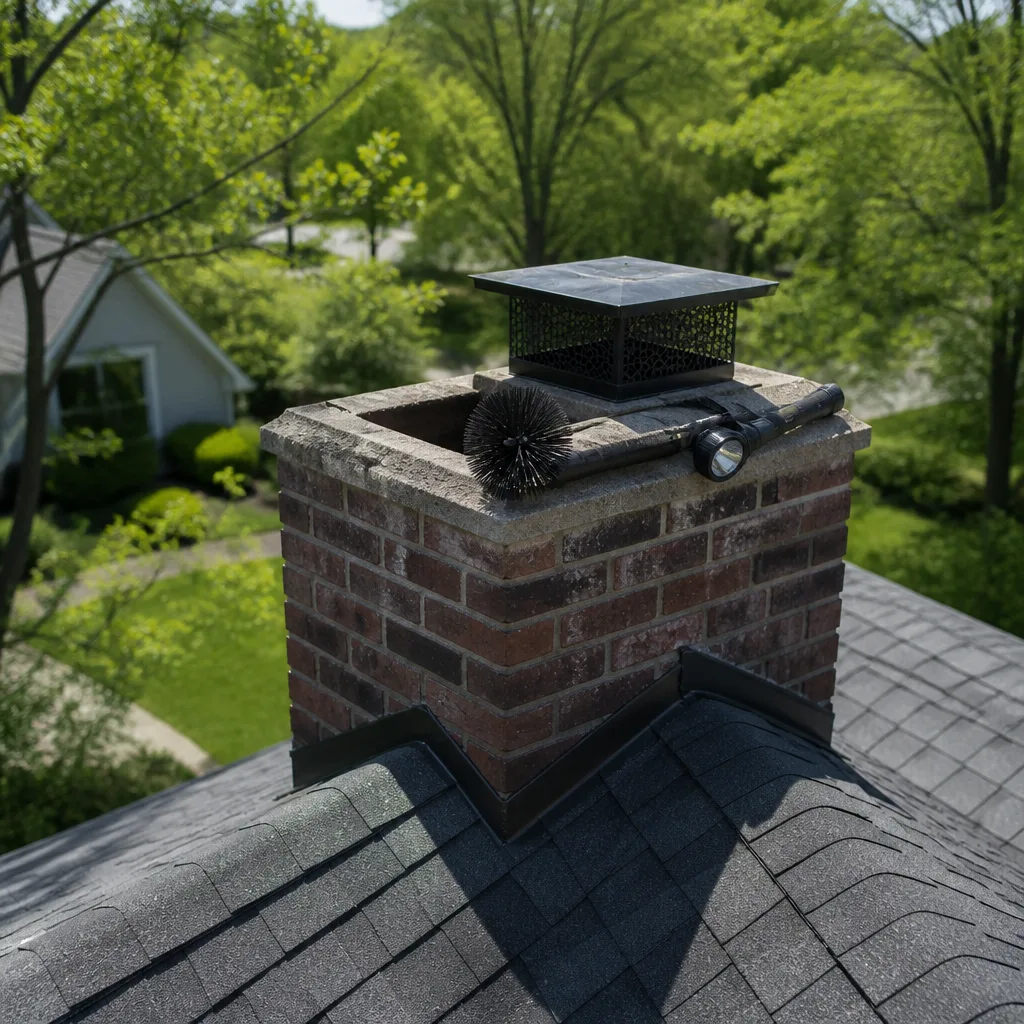 Sweep & inspection
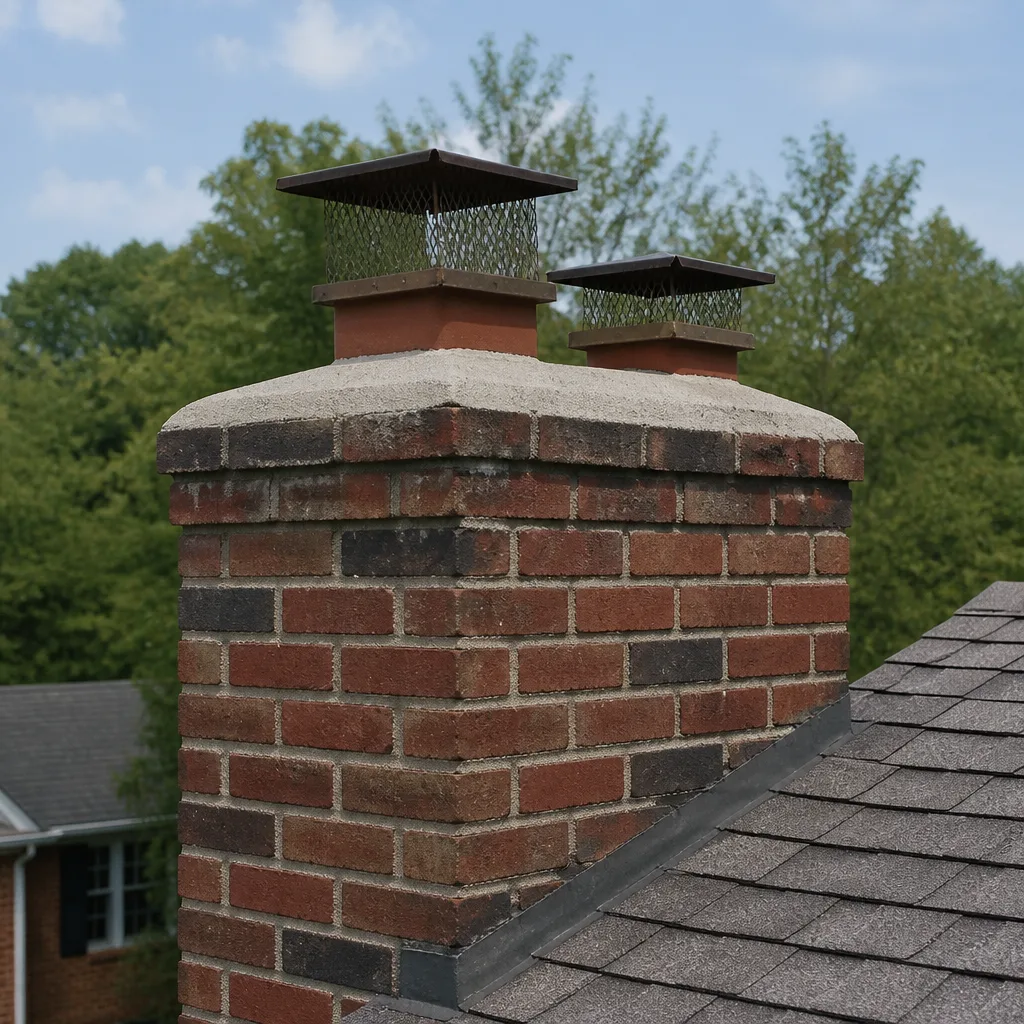 Caps & crowns
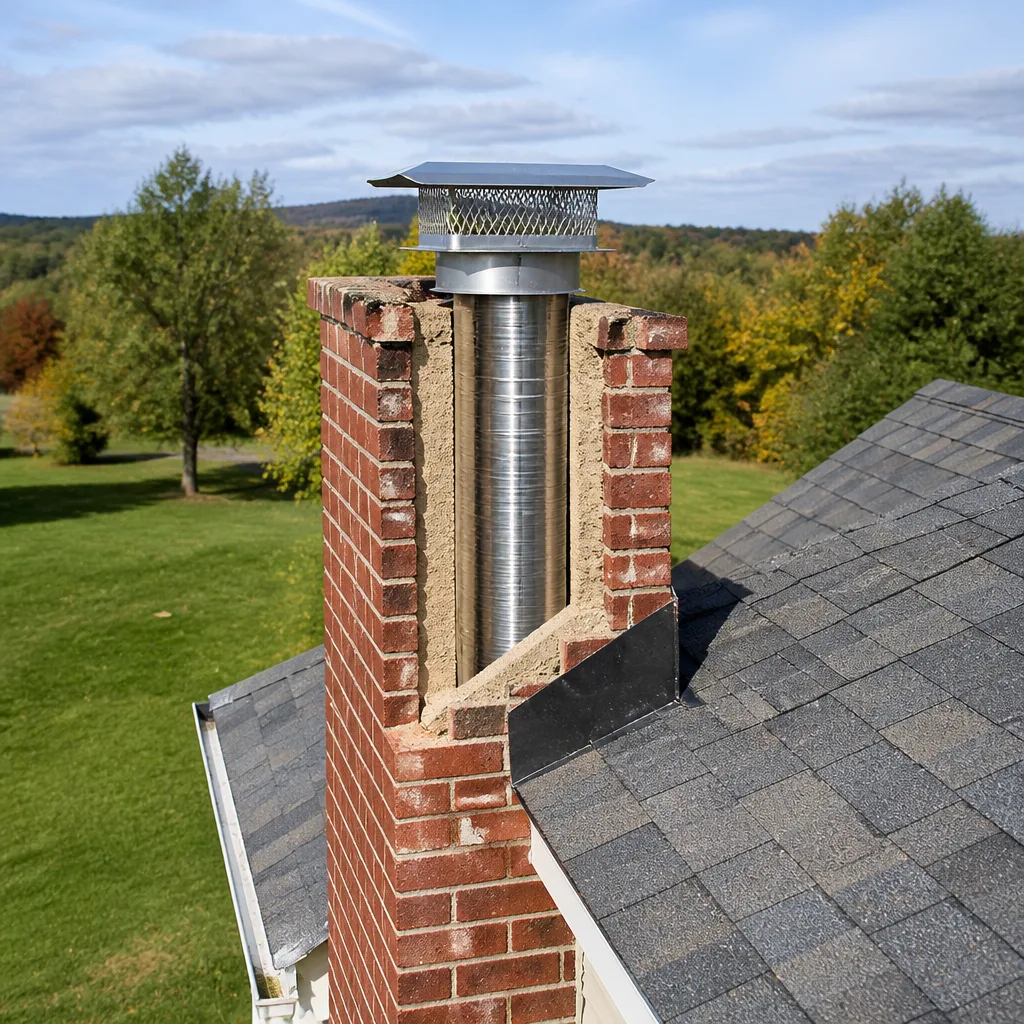 Flue relining
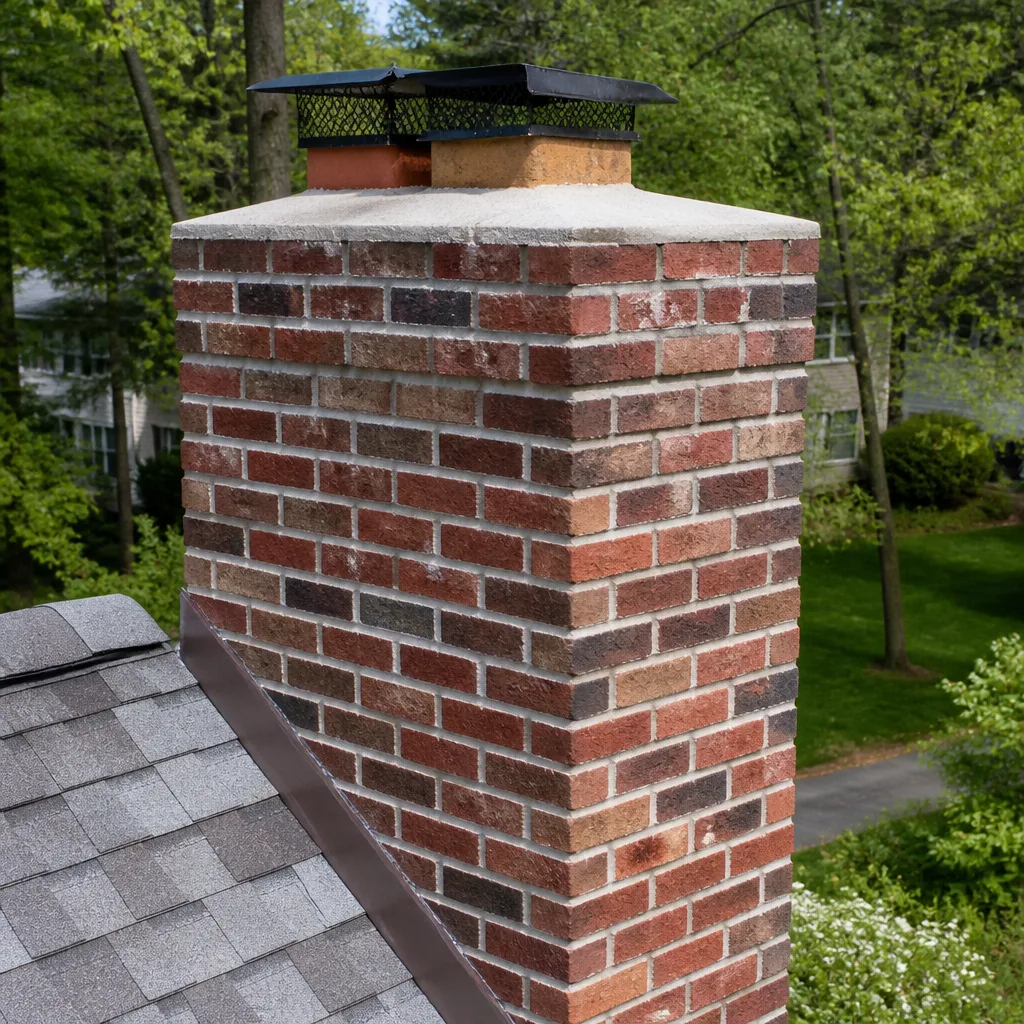 Masonry repair
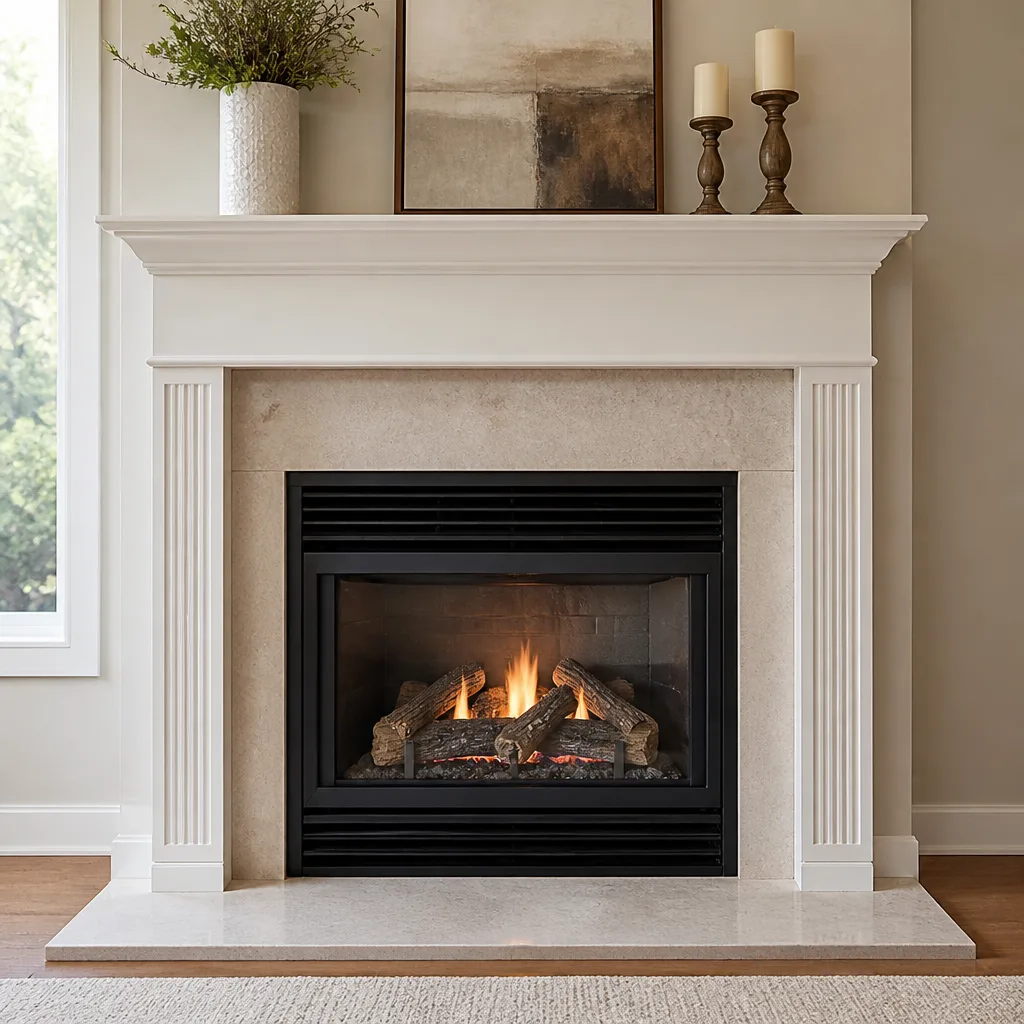 Gas fireplace service
Level 1 sweep and inspection to the NFPA 211 annual standard - flue, crown, cap, and flashing checked and photographed
Chimney sweep logs do not sweep chimneys. They loosen some creosote - which then falls where a brush and vacuum still have to collect it.
Chimney Cleaning Permits, Codes & Inspections in Fountain Valley, CA: What You Need to Know
A chimney relining job done without a permit in California can void your homeowner’s insurance coverage for a fire-related claim and turn into a material disclosure issue the day you list the house. Most homeowners assume the opposite: that anything a chimney sweep touches falls under routine maintenance and needs no paperwork at all. The truth sits between those two positions. Some chimney work in Fountain Valley is permit-exempt. Some work quietly crosses a line into permitted construction, and the line is not always where you’d guess. This guide walks through the permit thresholds, the California energy code that catches fireplace insert installations, the NFPA 211 standard behind most inspection requirements, and how to confirm your contractor actually pulls a permit instead of just saying they’ll handle it.
Quick Answer
Routine chimney cleaning and a Level 1 visual inspection generally do not require a permit in Fountain Valley. Work that alters the structure or the appliance – liner replacement, firebox rebuilding, new fireplace or insert installation, or changes to the flue system – typically requires a permit from the City of Fountain Valley building department, and the flue itself should meet NFPA 211 sizing and clearance requirements.
If you’re ever unsure whether your job crosses that threshold, ask the building department directly. It costs nothing to ask, and the answer protects you at resale.
Styles & brands we work with
- Sweep & inspection
- Caps & crowns
- Flue relining
- Masonry repair
- Gas fireplace service
Table of Contents
- Which Chimney Services Need a Permit in Fountain Valley?
- How California’s Title 24 Energy Code Affects Fireplaces and Inserts
- NFPA 211: The Standard Behind Most California Chimney Requirements
- What a Level 2 Inspection Report Means for a Real Estate Transaction
- How to Verify Your Contractor Actually Pulls the Permit
- Unpermitted Chimney Work and What It Costs You at Resale
- Fountain Valley Housing, Climate, and Why It Matters for Your Chimney
- The Three Inspection Levels and When Each One Applies
Which Chimney Services Need a Permit in Fountain Valley?
Cleaning does not need a permit. Structural or system changes usually do. That’s the short version, but the middle of the list is where homeowners get in trouble, so it’s worth laying out service by service.
Here’s how the breakdown generally works for a Fountain Valley home:
- Annual chimney sweep and Level 1 inspection – no permit.
- Level 2 or Level 3 inspection – no permit. These are diagnostic, not construction.
- Chimney cap installation or replacement – typically no permit when it’s a direct swap on an existing flue.
- Crown repair or rebuild – often requires a permit when the work involves structural masonry, though minor repointing usually does not.
- Chimney liner replacement or new liner installation – permit required.
- Firebox rebuild or major masonry repair – permit required.
- New fireplace, insert, or wood stove installation – permit required.
- Flue system modification or appliance swap – permit required.
Two caveats matter here. First, permit rules change and local interpretation varies, so the only reliable source is the City of Fountain Valley building department itself. Second, “the contractor handled it” is not the same as “a permit was pulled.” We’ll get to that distinction further down, because it’s the single most common place homeowners get burned.
For comparison, the same general boundary applies to a chimney sweep anywhere in Orange County: routine maintenance is exempt, and anything that touches the flue system or the appliance gets a permit. Insist on it in writing either way.
How California’s Title 24 Energy Code Affects Fireplaces and Inserts
Most homeowners have never heard of Title 24 until a contractor mentions it in passing, usually after they’ve already signed. California’s Title 24 energy code governs how a home’s envelope and mechanical systems perform, and fireplaces are not exempt from it. In practice, that means a fireplace insert or a new appliance installation has to meet energy-efficiency and combustion-air requirements that go beyond whether it functions. A unit that heats the room well can still fail a Title 24 review if the installation doesn’t account for combustion air, damper operation, or the efficiency profile the code expects.
Here’s what this means for you in plain terms:
- An insert is not a swap. Dropping in a new insert doesn’t relieve the old flue of its sizing requirements, and it doesn’t exempt you from combustion-air and damper rules.
- Dampers matter. If your fireplace has a damper that doesn’t seal properly, or the insert requires a specific damper configuration, that’s a Title 24 consideration, not just a safety one.
- Paperwork follows the unit. The efficiency and combustion specifications travel with the appliance, and a contractor who knows the code will have them ready before the inspection, not after.
- Older Fountoin Valley homes require more care. A house built decades ago was never expected to meet current Title 24 requirements, which is exactly why the code applies at the moment of change, not before.
This is where flue system choice intersects with code compliance. A professional-grade liner and a properly sized cap (we source from Gelco and Famco, both established commercial-grade cap manufacturers) do more than protect the flue from weather; they help the system perform in a way the code review can actually verify. When in doubt, ask your contractor to walk you through how their installation plan meets Title 24 before work begins.
NFPA 211: The Standard Behind Most California Chimney Requirements
NFPA 211 is the national standard for chimneys, fireplaces, vents, and solid-fuel-burning appliances. California doesn’t rewrite it from scratch; it adopts it and adds its own amendments, which is why most inspectors work from NFPA 211 sizing and clearance rules even when the permit is technically a local one.
The standard covers a lot of ground. For a homeowner, the parts that matter most are:
- Flue sizing. The flue must be sized correctly for the appliance it serves. Too large and the chimney drafts poorly; too small and it can’t vent properly.
- Clearances. The distance between the chimney and combustible materials is specified, and it’s the reason a “looks fine” installation can still fail an inspection.
- Liner condition. The flue lining protects the masonry from heat and corrosive byproducts. A cracked or deteriorated liner fails the standard, which is where HeatShield resurfacing or a DuraFlex liner system becomes the practical answer.
- Cap and crown. NFPA 211 expects the chimney to be protected from weather and animals, which is why cap and crown work is often included in a compliant installation rather than treated as an upsell.
- Inspection frequency. The standard and its companion guidance recommend annual inspection and cleaning as needed based on use. Creosote accumulation is the reason.
When you hear a chimney professional talk about “meeting code,” NFPA 211 is usually the code they mean. The chimney repair page on our site goes through the specific failure modes we see in Fountain Valley homes, and most of them trace back to a liner or crown condition that NFPA 211 was written to prevent.
What a Level 2 Inspection Report Means for a Real Estate Transaction
A Level 2 inspection is a more thorough look at the chimney than the annual visual check, using a camera to inspect the flue interior. Under California’s real estate disclosure requirements, chimney findings become relevant the moment a buyer or seller has them in hand, because they can affect the material condition of the property. A Level 2 report becomes the document that either clears the chimney for the transaction or flags it as a repair item.
Here’s how a Level 2 inspection typically plays out in a Fountain Valley sale:
- The inspection is scheduled. It’s often triggered by a buyer’s home inspection, a change of appliance, or an unresolved defect from a previous sale.
- The flue is checked by camera. The technician looks for cracks, gaps, creosote buildup, and missing or deteriorated liner sections.
- Findings are documented. A written report with photos is the deliverable, not a verbal “looks good.”
- The report is shared. Either party can cite it, which means the findings have to be accurate and defensible.
- Repair becomes a negotiated item or a closing condition. If the flue has a defect, the report feeds into the disclosure process and the repair scope.
Two practical points. First, the report only holds up if the inspection is a real Level 2 with a camera, not a glance up the flue. Second, the seller benefits from having it done proactively; a clean report up front prevents a last-minute negotiation when the buyer’s inspector finds something.
For property managers handling multi-unit or rental properties in Fountain Valley, the same logic applies across more than one unit: document each chimney individually, and keep the reports together so a future sale or refinance doesn’t stall.
How to Verify Your Contractor Actually Pulls the Permit
Verification is the part homeowners skip, and it’s the part that decides whether you’re covered. “We’ll handle the permit” is a phrase, not a record. What you want is the permit in your city’s system under your address, with the contractor named as the party responsible.
Use this as your checklist before work starts:
- Ask for the permit number before work begins. If the contractor resists, that’s the answer you need.
- Look it up yourself. The City of Fountain Valley building department can confirm whether a permit exists for your address and what it covers.
- Confirm the scope matches the job. A permit pulled for a “fireplace repair” that doesn’t list a liner replacement is not coverage for a liner replacement.
- Know who the named party is. The permit should identify the contractor responsible for the work, not just your address.
- Request the inspection record at the end. A completed permit has a sign-off, and that sign-off is what protects you later.
The one thing we’d add: if a quote seems unusually low for liner or firebox work, ask whether a permit is included. The permit cost and the inspection time are real, and a quote that skips them is quoting a different, riskier job. A written estimate from a contractor who pulls permits will account for all of it.
Unpermitted Chimney Work and What It Costs You at Resale
Unpermitted work doesn’t disappear when the job is finished. It sits in the record of the house, and it surfaces at the worst possible moment: sale, refinance, or an insurance claim. The consequences stack, and they’re not abstract.
- Insurance claims. Insurers can deny a fire-related claim when the damaged system was installed without a permit or inspection, because the risk wasn’t disclosed.
- Disclosure obligations. California’s disclosure rules mean a known unpermitted alteration becomes something the seller must address, which turns into a price negotiation or a repair demand.
- Appraisal and financing. Some lenders require confirmation that structural work is permitted before closing.
- Redo work. Fixing unpermitted work often means opening the job back up, correcting what wasn’t inspected, and paying for it twice.
- Safety on the line. The reason permits exist for flue work is because a compromised liner can allow creosote and heat where they don’t belong. Unpermitted work skips the check that catches it.
We’ve seen this from both sides: homeowners who knew a permit was skipped and thought it would be fine, and buyers who discover the gap during their own inspection. The second group has leverage. The first group carries the cost.
If you suspect a previous owner left you with unpermitted chimney work, the place to start is a Level 2 inspection that documents the current condition. From there, a conversation with the building department about getting the work brought into compliance is usually cheaper than trying to sell past it. A cap and crown that was installed poorly is a good example of something that can be corrected without a full rebuild, especially with a properly sourced Gelco or Famco component.
Fountain Valley Housing, Climate, and Why It Matters for Your Chimney
Fountain Valley’s climate is mild, and that shapes how chimneys here fail. Winters are gentle enough that the fireplace gets used for ambiance more often than for primary heat, which means the chimney can go long stretches between burns. That’s not always a good thing. Intermittent use lets creosote accumulate without the frequent fires that would help clear light deposits, and it hides developing flue problems that a heat-cleaned system would show sooner.
Here’s how that plays out across the city:
- Older tracts and established neighborhoods often have masonry chimneys with original liners that have had decades of occasional use. Liner condition is the first thing we check, and HeatShield resurfacing can restore a flue interior without the cost of a full liner replacement when the damage is surface-level.
- Homes with inserts or wood stoves see more concentrated use, which makes flue sizing and combustion-air checks more important than the age of the system.
- Homes near the Santa Ana River corridor and central neighborhoods get the same dry, mild conditions as the rest of the city, and the main threat to the chimney is weather exposure at the top, not temperature swings at the base.
- Tract homes with shared construction details often share the same cap and crown design, which means a crack pattern in one home is likely to appear in neighbors of the same build.
Rain is the local issue that matters most. A failing crown lets water into the masonry, and repeated wetting is what turns a hairline crack into a deteriorated flue surface. That’s why cap and crown work is part of the compliance conversation here and not an afterthought. For a full look at how the system ages in this climate, the pillar page on Chimney Sweep Fountain Valley covers the whole service arc.
The Three Inspection Levels and When Each One Applies
Chimney inspections come in three levels, and each one has a specific job. Knowing which one you need saves time and keeps you from paying for scope you don’t require.
- Level 1. A visual inspection of the accessible portions of the chimney and the appliance, done as part of the annual sweep. It’s the right call when your setup hasn’t changed and you’re on a regular maintenance schedule.
- Level 2. A camera-based inspection of the flue interior, plus a look at the accessible parts. Required when there’s been a change of appliance, a change of use, a sale or transfer of the property, or an unresolved defect. If you’re buying or selling a Fountain Valley home, this is the inspection to ask for.
- Level 3. The most involved inspection, used when a Level 1 or Level 2 turns up a problem that requires access to concealed areas. It’s not routine; it’s a targeted diagnostic.
The most common mix-up is treating the annual cleaning as if it covers the same ground as a Level 2. Cleaning clears creosote from the flue; a Level 2 documents the condition of the flue itself. If you’re preparing a sale, a refinance, or a new appliance install, ask specifically for a Level 2 and ask for the report in writing, with photos.
For homeowners dealing with a fireplace that’s smoking, drafting poorly, or showing signs of wear, a fireplace repair visit often starts with the inspection and tells you whether the fix is a repair, a resurfacing, or an upgrade. That decision should follow the evidence, not a sales pitch.
Common Mistakes to Avoid
- Assuming all chimney work is permit-exempt. Cleaning is exempt. Liner replacement, firebox rebuilds, and new appliance installs usually aren’t. Treat “routine maintenance” as a category, and check whether your job actually fits it.
- Taking “we’ll handle it” as proof a permit was pulled. Ask for the permit number and the inspection sign-off at the end. If there’s no record, there’s no coverage.
- Skipping the Level 2 when selling. A buyer’s inspector will ask for one anyway, and having it done before you list keeps you out of a last-minute negotiation over a flue you haven’t seen yet.
- Installing an insert without checking Title 24 and flue sizing. An insert is not a swap. Combustion air, damper configuration, and efficiency profile all factor in, and a contractor who explains Title 24 up front is the one to keep.
- Letting a crown crack ride. Little problems at the top of the chimney turn into flue surface damage after enough rain in Fountain Valley. Cap and crown work is inexpensive compared to the consequences of ignored water intrusion.
- Choosing a bid on price alone. A quote that leaves out the permit isn’t a better quote; it’s a different, riskier job. Compare total scope, not just the bottom line.
- Treating a lighting-a-fire smell as normal. A draft or smoke issue deserves a look, not an air freshener. The fireplace repair and inspection visit usually tells you what’s actually happening.
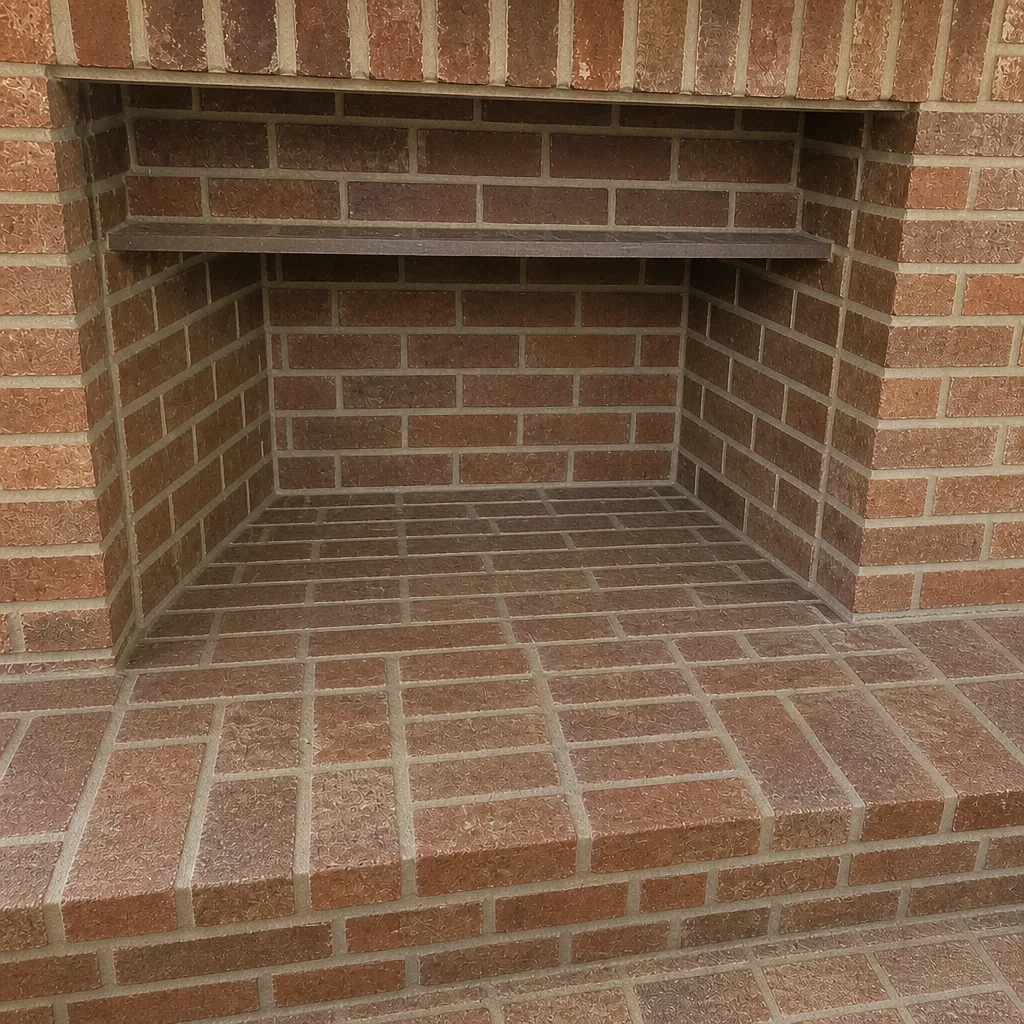
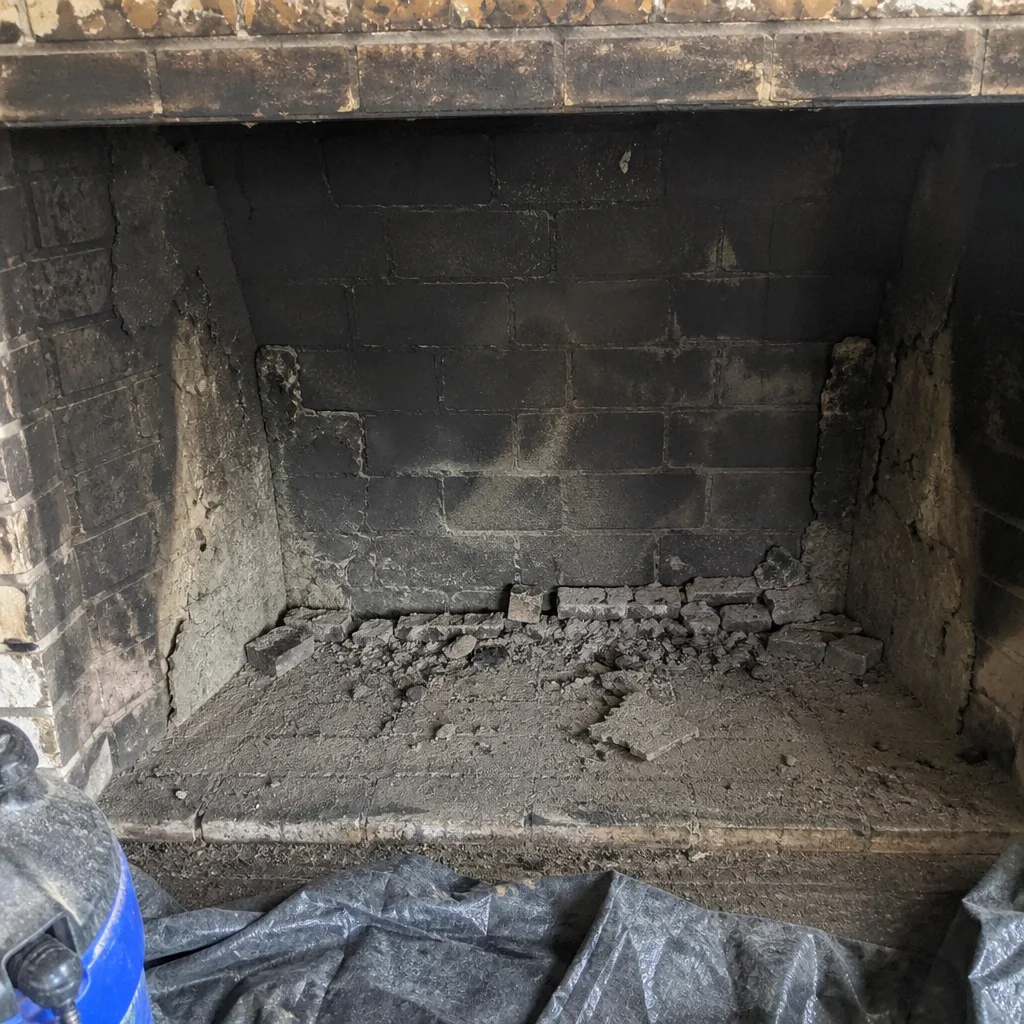
See the difference
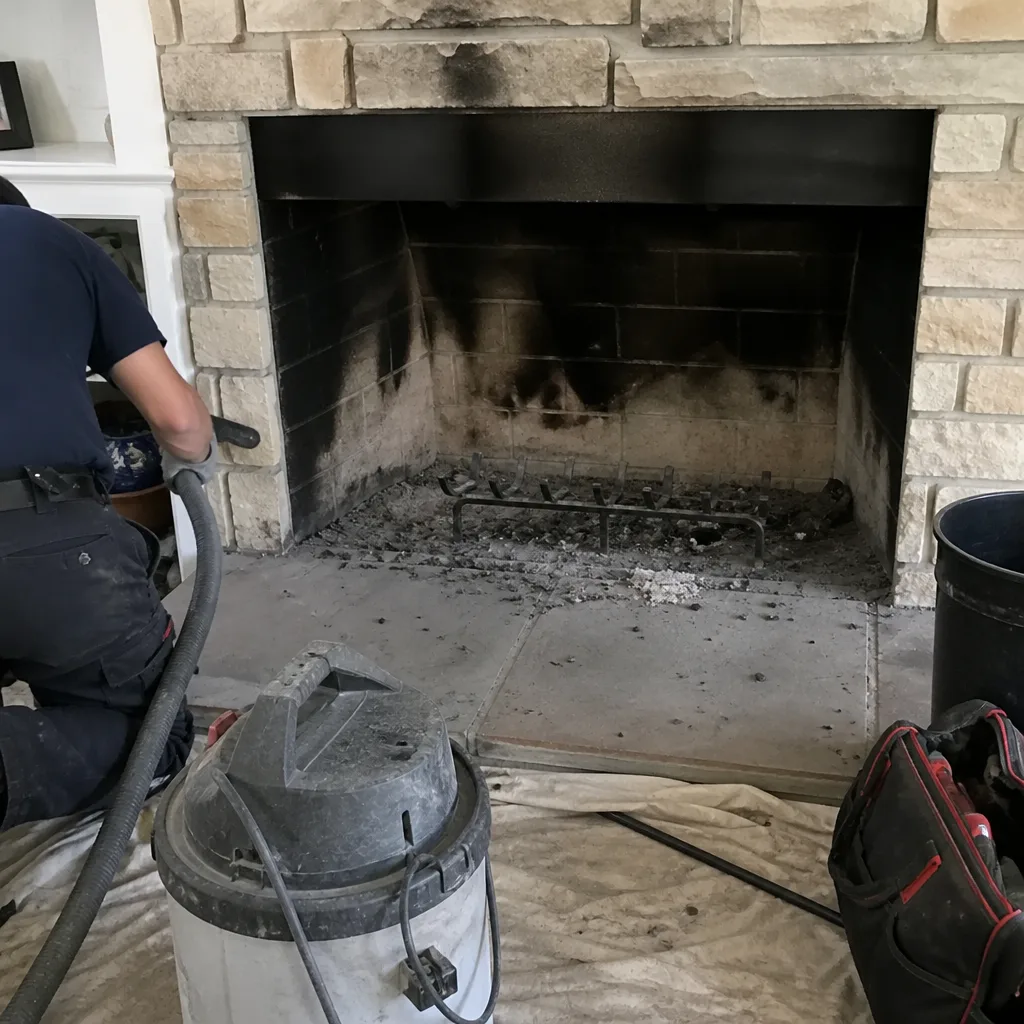 Before
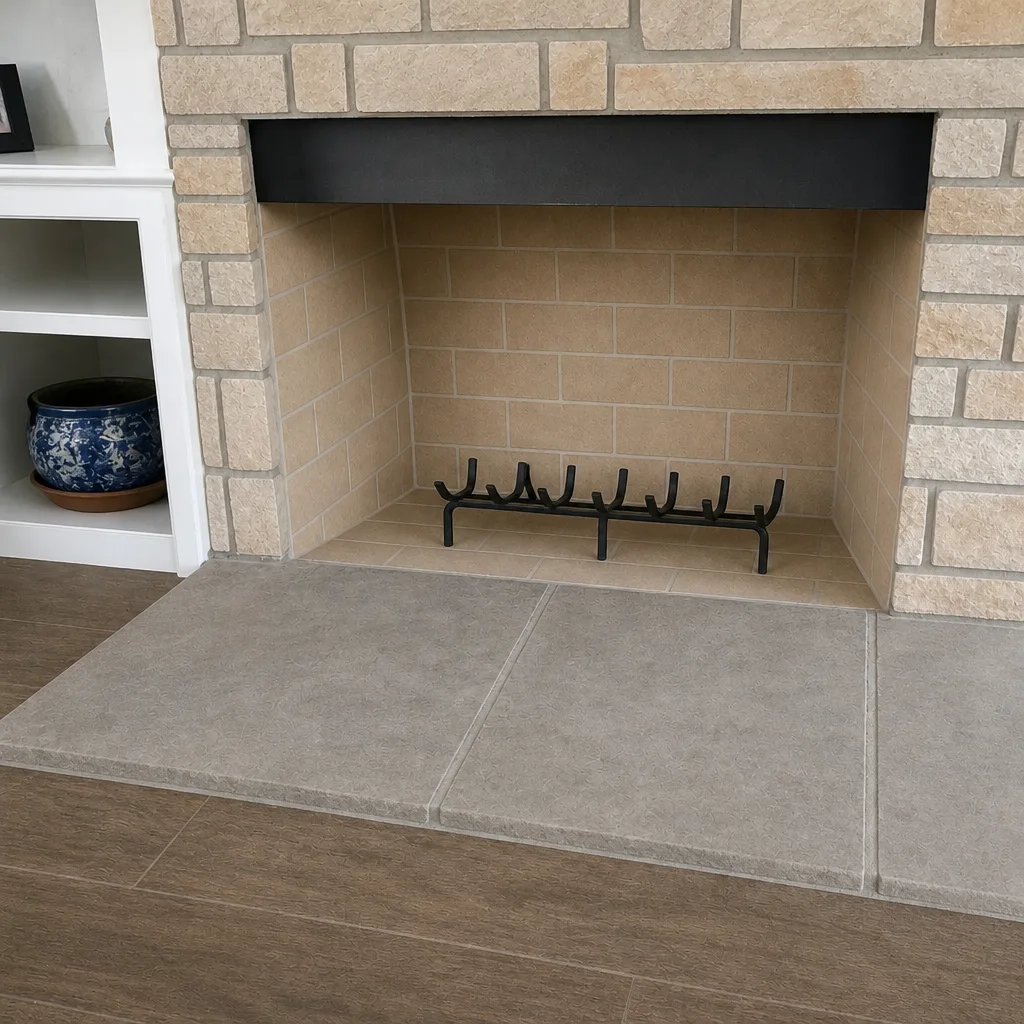 After
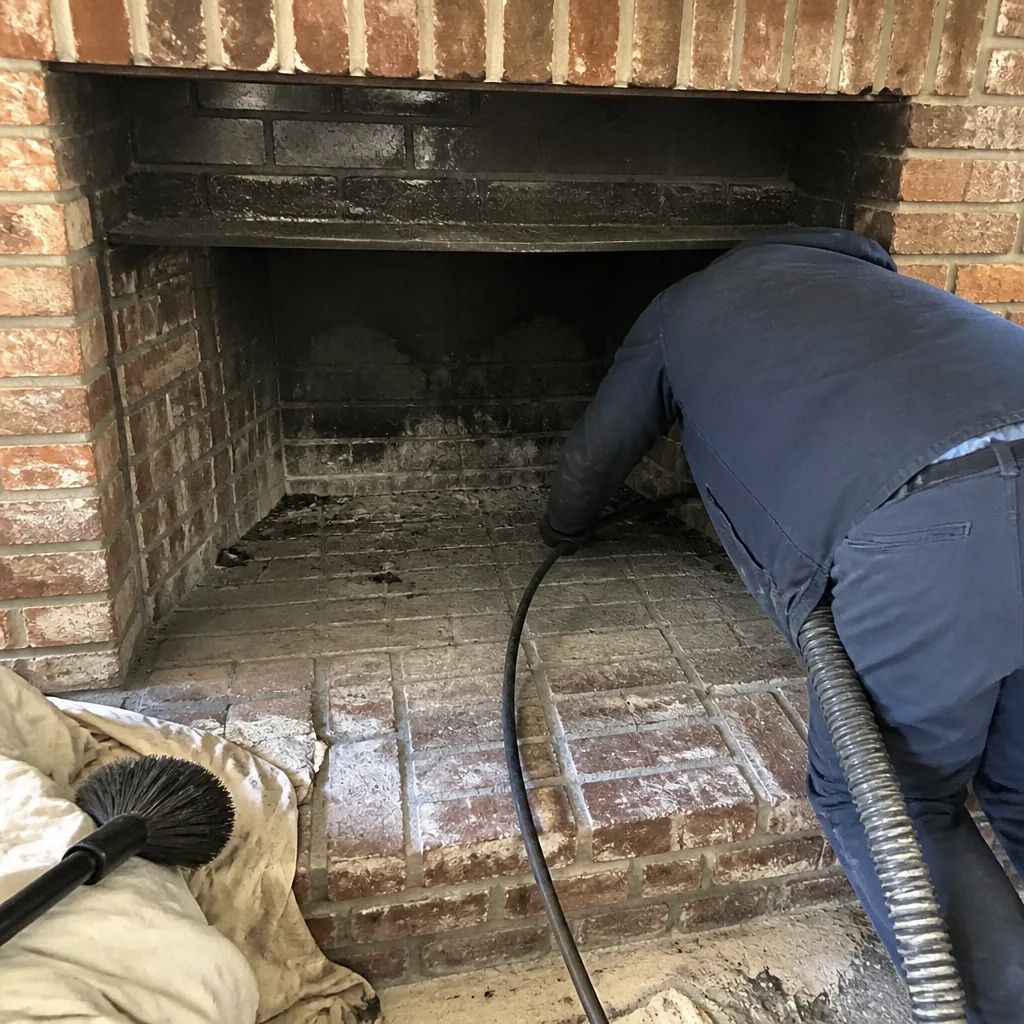 Before
 After
 Before
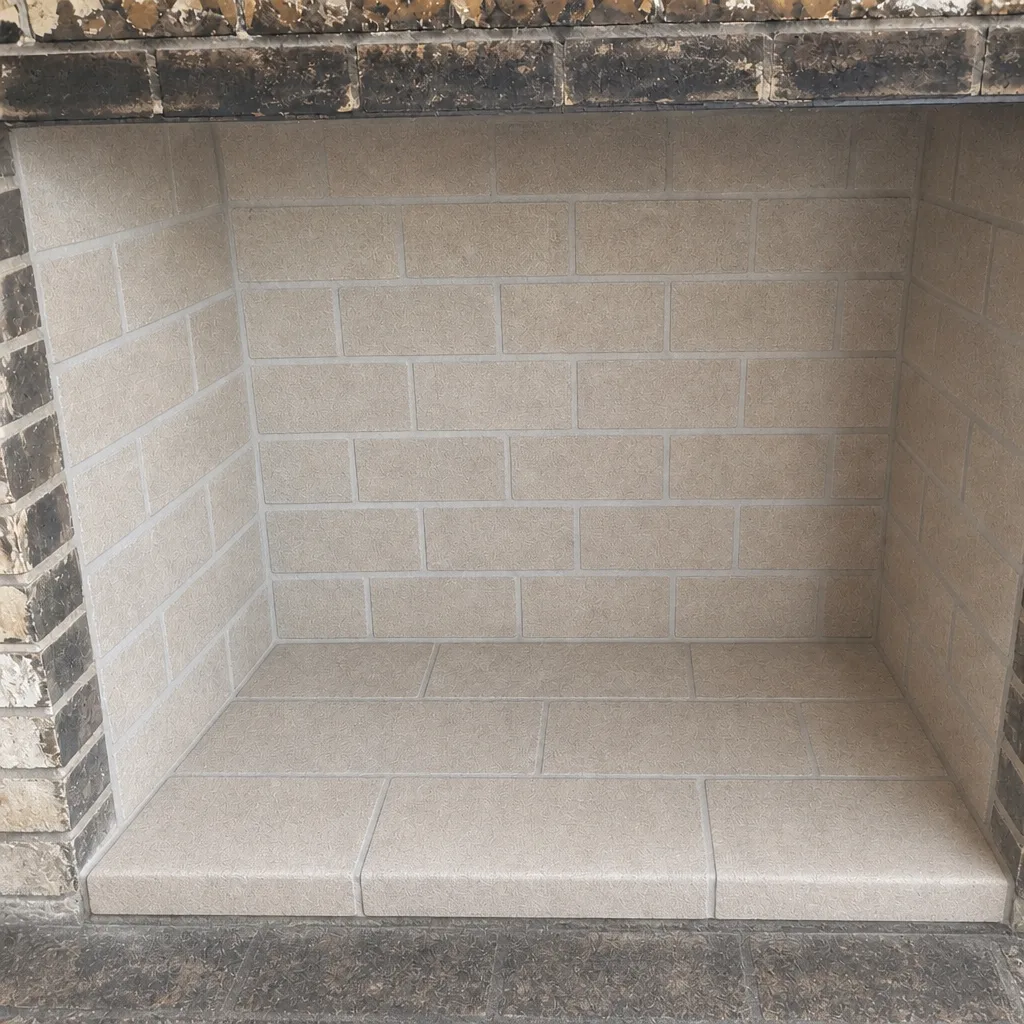 After
When to Call a Professional
Bring in a chimney professional when you’re planning any work that touches the flue, the firebox, or the appliance; when you’re buying or selling a home and need a documented Level 2 inspection; when you notice smoke backing into the room, a lighting-a-fire smell that doesn’t clear, or visible damage at the top of the chimney. High-tension chimney work, roof-level access, and appliance installation aren’t DIY territory, and the code and safety stakes are real. Our technicians have up to 15 years of experience working with professional-grade systems, including DuraFlex liner systems and HeatShield resurfacing, and we handle cap, crown, and flashing work as part of the same scope so you’re not coordinating multiple contractors. Chimney Sweep Fountain Valley offers free estimates in Fountain Valley – call (877) 792-7543. We answer 24/7, with fast dispatch from 7am to 7pm, Sunday through Friday.
Frequently Asked Questions
No. Routine chimney cleaning and a Level 1 visual inspection are maintenance and don’t require a permit in Fountain Valley. The permit threshold usually starts with liner replacement, firebox rebuilding, or new appliance installation. If your job touches the flue system or the appliance in any structural way, check with the City of Fountain Valley building department before work starts. Call (877) 792-7543 for an exact quote – estimates are free.
Usually yes. A fireplace insert installation typically requires a building permit, and it also brings California’s Title 24 energy code into play for combustion air, damper configuration, and efficiency. An insert is not a simple swap; the flue has to be sized correctly and the installation has to meet current code. Call (877) 792-7543 for an exact quote – estimates are free.
Level 1 is a visual inspection of the accessible parts of the chimney as part of the annual sweep. Level 2 adds a camera inspection of the flue interior and is the one required for a sale, transfer, or appliance change. If you’re buying or selling a Fountain Valley home, ask for a Level 2 specifically, with photos and a written report. Call (877) 792-7543 for an exact quote – estimates are free.
Annual inspection is the general recommendation, with cleaning as needed based on how much the fireplace is used and how much creosote accumulates. In a mild climate like Fountain Valley, intermittent use can let creosote build up slowly between burns, which is why the annual check matters even if you don’t burn a fire every week. Call (877) 792-7543 for an exact quote – estimates are free.
It can. Insurers may deny a fire-related claim when the damaged system was installed without a permit or inspection, and unpermitted work can also become a disclosure issue when you sell. The safest path is to bring the work into compliance with a documented permit and sign-off. Call (877) 792-7543 for an exact quote – estimates are free.
Ask for the permit number before work begins, look it up with the City of Fountain Valley building department, confirm the scope matches your job, and request the completed inspection record at the end. “We’ll handle it” is not the same as a permit in your city’s system. Call (877) 792-7543 for an exact quote – estimates are free.
The Bottom Line
Chimney cleaning and routine inspection don’t need a permit in Fountain Valley, but the moment the job crosses into liner replacement, firebox rebuilding, or appliance installation, the permit and the code review matter. Title 24 shapes how inserts and fireplace changes get installed, NFPA 211 sets the flue sizing and clearance rules behind most of the inspection, and a Level 2 report is the document that holds up in a sale. The one habit that protects you through all of it is verifying the permit instead of trusting a verbal assurance. Cap, crown, and liner condition determine whether your chimney stays in compliance, and it’s worth knowing which of those is next on your list.
Contact Us
If you’re planning chimney work, buying or selling a Fountain Valley home, or simply want a documented inspection before the next burning season, call (877) 792-7543 for a free estimate. We answer 24/7, with fast dispatch from 7am to 7pm, Sunday through Friday. Nothing gets recommended without camera evidence you can see for yourself, and we’ll tell you plainly when a repair can safely wait.
Written by the team at Chimney Sweep Fountain Valley.