
Last updated November 25, 2026
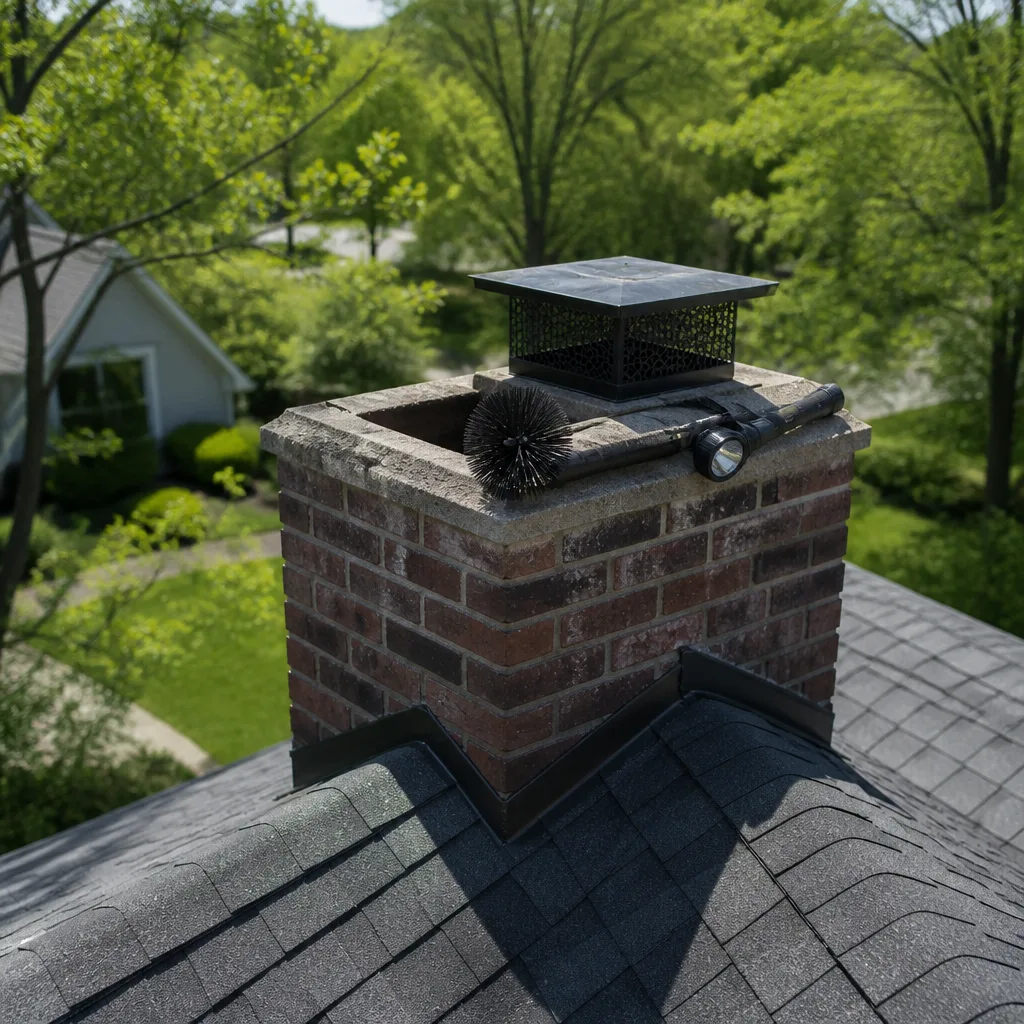 Sweep & inspection
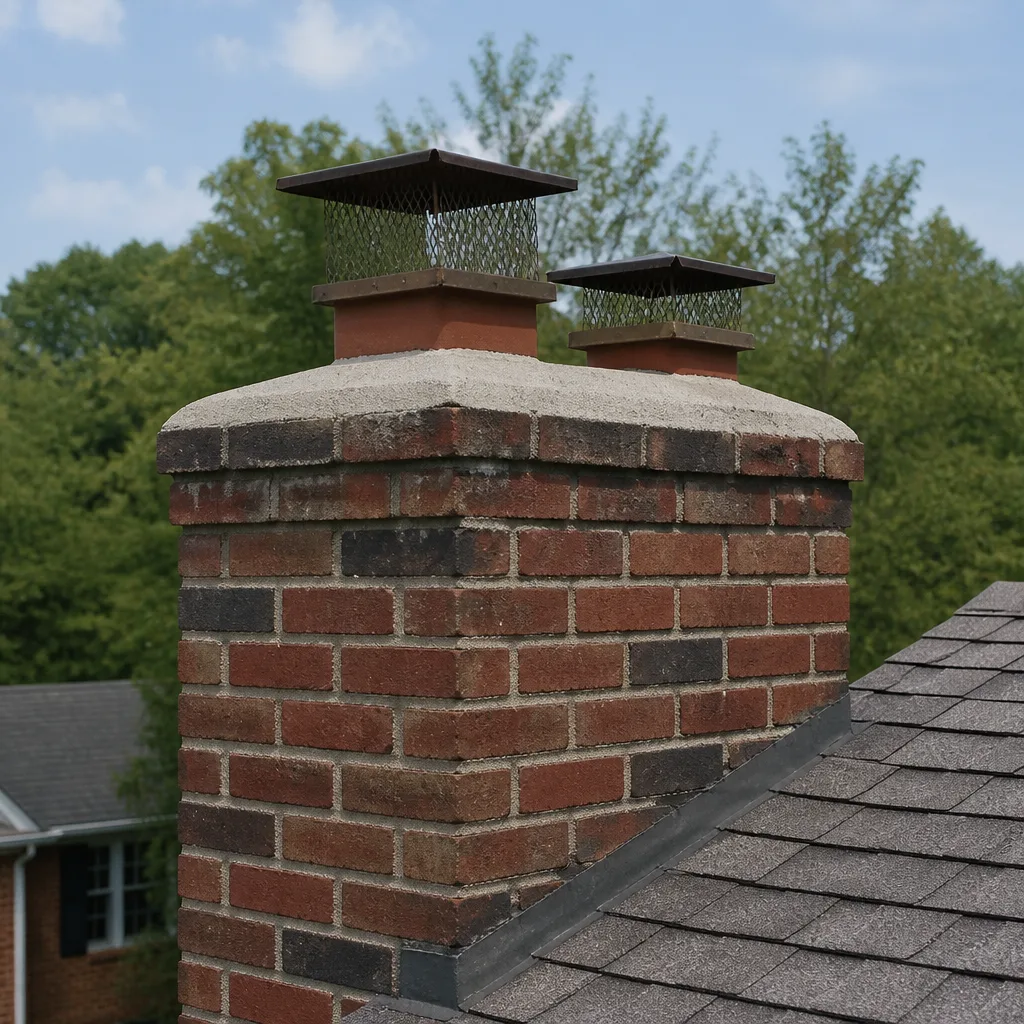 Caps & crowns
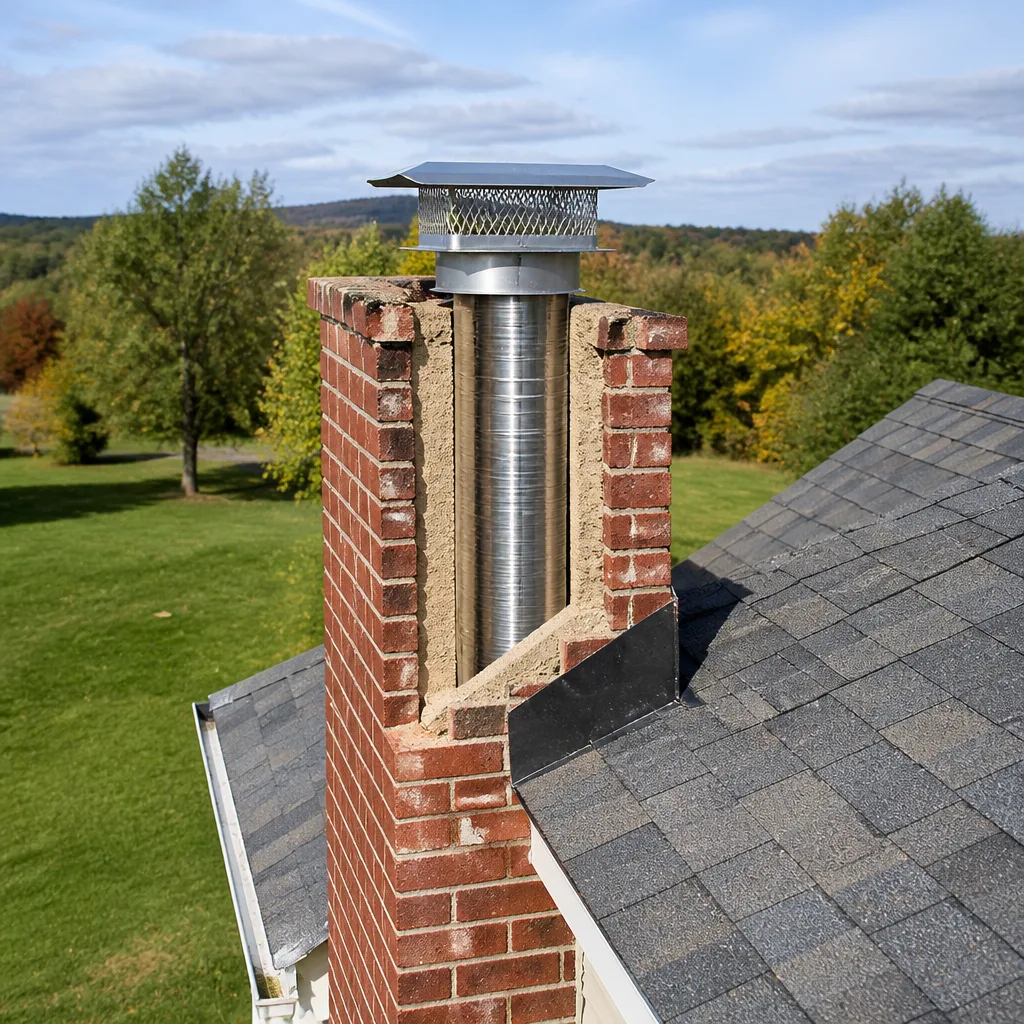 Flue relining
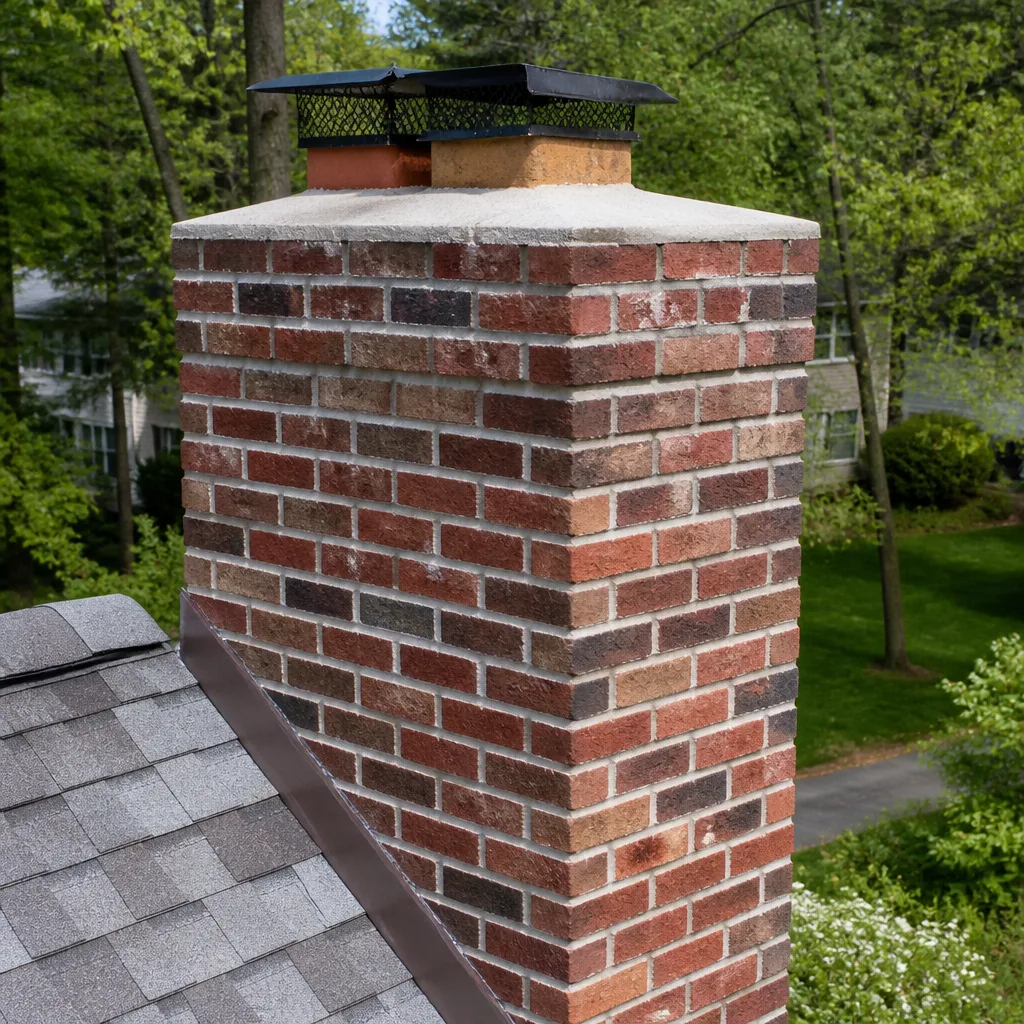 Masonry repair
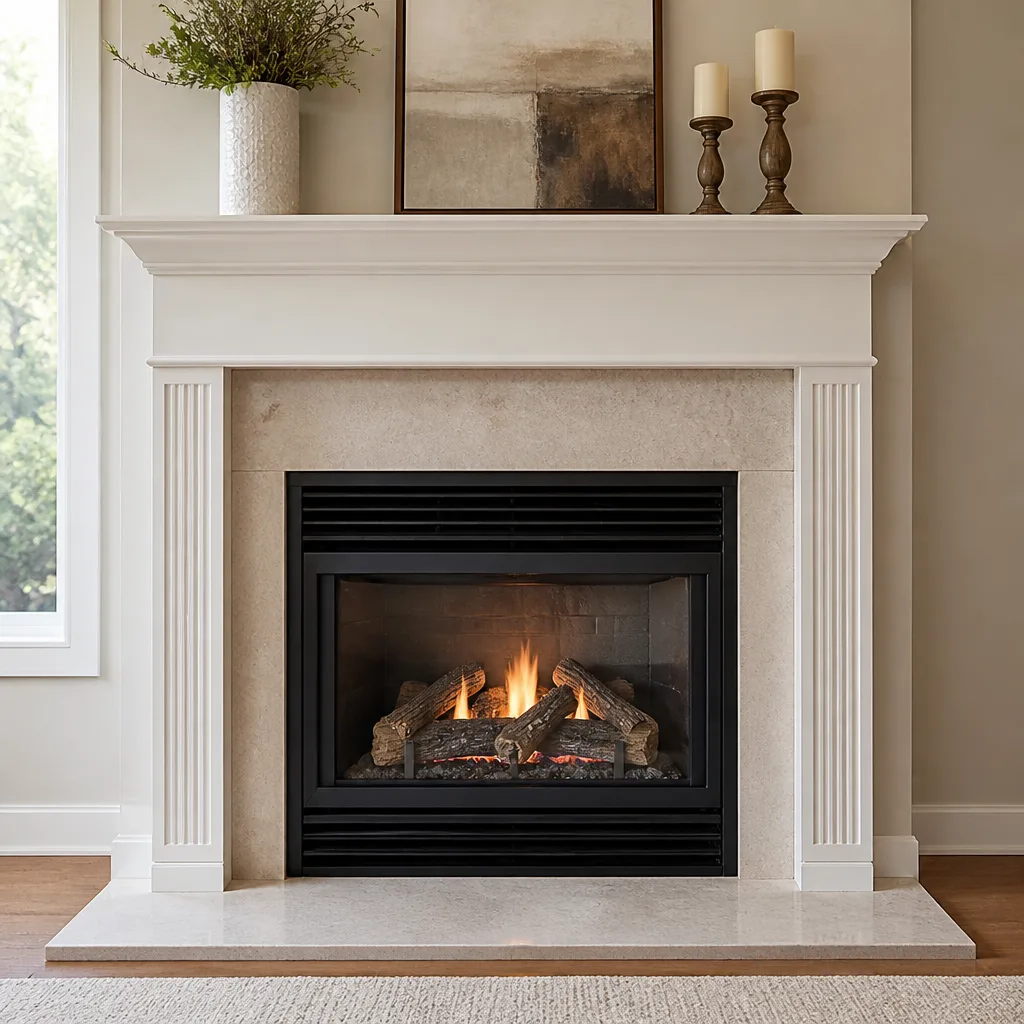 Gas fireplace service
Level 1 sweep and inspection to the NFPA 211 annual standard - flue, crown, cap, and flashing checked and photographed
Chimney sweep logs do not sweep chimneys. They loosen some creosote - which then falls where a brush and vacuum still have to collect it.
Seasonal Chimney Cleaning Care for Fountain Valley: Year-Round Homeowner’s Guide
Most chimney advice you’ll read was written for a place with four traditional seasons. Fountain Valley isn’t that place. We get wind events, offshore flow, concentrated winter rain, and a fire season that overlaps everything. That means the old “sweep it once a year, sometime in autumn” habit doesn’t line up with how chimneys here actually age. What follows is a timing framework built around the four risk windows this climate creates, plus a simple tracking log you can keep yourself. You’ll learn when cleaning is fastest and cheapest, what to watch during active use, and why a closed-up flue in July can smell worse than one running in January. It’s written from Fountain Valley, for the homes and fireplaces we actually see here.
Quick Answer
Chimney care in Fountain Valley works best on four seasonal windows rather than a calendar year: clean and inspect in September and October before demand spikes and fire season settles in, monitor draft and odor during active winter use, check for moisture and nesting in spring, and address warm-month odor from closed flues in summer. Scheduling your sweep in early fall gets you the fastest appointment and the most useful inspection, because the chimney is clean, dry, and ready for the burn season ahead.
Styles & brands we work with
- Sweep & inspection
- Caps & crowns
- Flue relining
- Masonry repair
- Gas fireplace service
Table of Contents
- Why Fountain Valley Chimneys Don’t Follow a Four-Season Calendar
- Fall (September-October): The Optimal Cleaning Window
- Winter (November-February): What to Monitor During Active Use
- Spring (March-May): Post-Season Moisture and Nesting Season
- Summer (June-August): Closed Flues, Odor, and Warm-Month Problems
- How to Build a 12-Month Chimney Tracking Log
- What a Seasonal Inspection Actually Checks
- Cap and Crown Work: Why Timing It Right Pays Off
Why Fountain Valley Chimneys Don’t Follow a Four-Season Calendar
A chimney in a cold-climate city spends half the year under snow load and the other half drying out. A chimney in Fountain Valley spends its year dealing with something different: wind that drives debris and moisture sideways, a rainy stretch that arrives all at once, and a fire season when the air itself carries particulates that settle into caps and screens. The building materials don’t care about the calendar. They respond to what the weather is doing to them.
That’s why treating “annual chimney cleaning” as a single appointment on a random date leaves value on the table. The same sweep, performed in the right window, tells you more, costs you less in time, and prevents more problems. Performed in the wrong window, it can miss the evidence you’d want an inspector to see.
Here in Fountain Valley, three local factors shift the timing:
- Offshore flow and wind events. Dry, gusty periods push debris into caps, screens, and the top of the flue. After a wind event, the firebox can collect material that didn’t come from your fire.
- Concentrated rainfall. Most of the year’s rain lands in a few weeks. That gives a small window for water intrusion to be visible before it becomes a bigger repair on the crown, flashing, or masonry.
- Fire season overlap. When the regional air is smoky, a capped chimney with a clogged screen can hold odor and particulate in the flue longer. That’s a maintenance signal, not a reason to skip the burn season.
Fountain Valley’s housing stock also matters. Many homes here have older masonry fireplaces that have been through decades of use, and a fair number have been converted or supplemented with gas inserts and freestanding stoves. Each of those systems asks for a different rhythm, and a single “clean once a year” rule doesn’t cover all of them. If you’re not sure which category your fireplace falls into, a professional chimney sweep visit will tell you – that’s exactly the kind of question an inspection answers.
Fall (September-October): The Optimal Cleaning Window
September and October are the best months to book a chimney sweep in Fountain Valley, for two reasons that reinforce each other. First, demand is still low – most homeowners call in November, once the first cold night hits, and the schedule tightens fast. Second, the pre-fire-season timing means your inspection happens while the chimney is clean, dry, and not yet loaded with a season’s worth of use. You get a baseline instead of a backlog.
The work itself in this window is straightforward:
- Full sweep. Creosote and soot from last season comes out before it has a chance to sit through another warm season and harden. Third-degree glazed creosote in particular gets worse with time, not better.
- Camera inspection. With a clean flue, the technician can run a camera down and see liner condition, joint integrity, and any offset or gap clearly. Late-season inspections often just show soot on top of the problem.
- Cap and screen check. Wind events over the summer have likely deposited material on the cap and in the spark screen. This is the moment to clear it and confirm the cap itself is still seated properly on the crown.
- Crown and flashing review. Before the rain window opens, any hairline crown cracks or lifting flashing get caught while they’re minor. Water intrusion found in September is cheap to address. Found in January, after weeks of rain, it’s often a masonry repair.
- Document what you see. A photo report from the September visit becomes the reference for everything the rest of the year throws at you.
Fountain Valley homeowners who shift their maintenance to this window tend to notice the difference in how much a midwinter call actually costs them in disruption – because there isn’t one.
Why Not Wait Until November?
By November, the fires are lit, the first rain has often arrived, and every sweep in the area is working through a full calendar. Problems that would have been maintenance items in September (a small crown crack, a loosened cap) have had a month or two to develop into moisture issues. Scheduling in the fall window costs you nothing and buys you a cleaner inspection. If it’s already past October and you haven’t booked, don’t skip the visit – just expect to work around a fuller schedule.
Winter (November-February): What to Monitor During Active Use
Once the burn season starts, the job shifts from cleaning to monitoring. You’re not going to sweep mid-season, but you are going to notice things, and noticing the right things is what makes a spring inspection efficient. Two signals matter more than any other during active use: changes in odor and inconsistency in draft.
Odor changes
A chimney that smells smoky when it’s cold and dry is normal. A chimney that starts to smell different – sharper, sour, or persistently smoky even when there’s no fire and the damper is closed – is telling you something. Creosote buildup, a partially blocked flue, or a cap issue can all push odor back into the room instead of letting it vent. Don’t try to diagnose it by smell alone; do note when it started, and take a photo of the firebox so you can compare later. Some of these will be simple – a bird’s nest or leaf pack on the cap – and some will point at liner or draft problems that need a real inspection.
Draft inconsistency
A chimney that used to draw well and now hesitates, back-puffs smoke into the room on startup, or needs the window cracked to get going is showing draft inconsistency. Cold chimneys, exterior chimneys, and tall flues are most affected, and Fountain Valley’s winter mornings can start below the temperatures the flue is designed for. In our experience, a draft that “just needs a minute to warm up” all season is worth investigating – the underlying cause is often a partial restriction, a liner problem, or a cap that’s not breathing.
What else to watch during the burn season
- Visible smoke escaping into the room on startup or when the fire is running – stop burning and call for an inspection.
- Soot on the firebox walls or glass that appears faster than it used to.
- A cap or screen you can see from the ground with material hanging from it or visibly bent by wind.
- Water stains on the damper or smoke chamber after a rain – a signal the crown or flashing review is due.
None of these are automatic emergencies. All of them are worth logging, because the pattern across a winter is more diagnostic than any single observation. And any fireplace that has run a full season without a professional look should get one – the Chimney Sweep Fountain Valley team handles that inspection and the follow-up work in the same visit, so you’re not coordinating between contractors to find out what’s going on.
Spring (March-May): Post-Season Moisture and Nesting Season
Spring is the season most Fountain Valley homeowners skip, and it’s the one where the most preventable damage happens. Two things converge from March to May: the rainy season has left moisture in places you can’t see from the ground, and birds and insects are actively looking for a warm, dry cavity to occupy. A chimney is prime real estate.
Birds and pests that target chimneys
Chimneys in Southern California attract a recurring cast during nesting season. Swifts and swallows are the common offenders – they find an uncapped or loosely capped flue and build a nest fast, and the material they drop into the flue is flammable. Starlings and sparrows also use chimneys where the cap has a gap or the screen has opened up. Wasps and paper wasps occasionally nest in the firebox area or in the cap itself when a covered cap has a small opening. Squirrels and roof rats come down uncapped chimneys when they’re looking for shelter.
The good news is that spring is exactly when these show up, which means it’s also when they’re easiest to remove before they become a summer odor problem. A spring chimney check catches nests, screens that have been pushed open, and any bird debris that needs clearing. It’s also the right moment to confirm the cap is doing its job. A cap from Gelco or Famco installed properly is the single most effective way to close off the chimney to wildlife – it’s preventive work, and spring is when you notice it’s missing or damaged.
Post-season moisture check
The end of the burn season is also the end of the rainy season. If water made its way in over the winter, the evidence is at its clearest now: staining on the smoke chamber, soft spots in the crown, rusty damper hardware, or masonry that has started to spall. None of these fix themselves, and each gets more expensive the longer it’s left. Spring is the moment to catch them at their cheapest.
Summer (June-August): Closed Flues, Odor, and Warm-Month Problems
Summer is when a lot of chimney problems go from invisible to annoying. The fire hasn’t run in months, the damper is closed, the flue is sealed up, and the house is warm. That combination – warm air, a sealed flue, and no airflow – is what we call a stale chimney, and it produces a specific kind of smell that homeowners tend to describe as “sour,” “musty,” or “like a barbecue that’s been sitting.”
It isn’t a mystery. There’s a small amount of creosote and soot residue on the flue interior after any season of use. Add warmth and humidity, take away airflow, and that residue starts to off-gas. The smell is worse in homes where there’s no cap, where the damper seal is imperfect, or where the flue hasn’t been cleaned since the previous winter.
Quick answer on summer odor: A closed-up flue in summer can smell because warm, humid air reacts with leftover creosote residue. The fix usually isn’t a deodorant – it’s a proper cleaning at the end of the burn season and a cap and damper check to confirm the flue can breathe when you want it to.
The closed-chimney effect and what to do about it
The simplest summer practice is to run a spring cleaning, open the damper for a few hours on mild days, and confirm your cap is venting properly. If the smell persists after a cleaning, the next step is a professional inspection – persistent odor can point to a partially blocked flue, a damaged cap screen, or residue that’s accumulated in a section you can’t reach. In Fountain Valley, where humidity swings with the coastal pattern, homes near the Santa Ana River corridor and in the neighborhoods around Mile Square Park tend to see this more than the higher blocks. It’s a seasonal effect, not a defect.
Summer is also the best time to schedule structural work
If your inspection turned up crown work, cap replacement, or a liner upgrade, summer is often the least disruptive time to schedule it. The chimney is dry, the fire isn’t in use, and there’s no cold rush on the schedule. Our technicians have up to 15 years of experience with this kind of work, and we use professional-grade materials from the brands chimney specialists actually use – DuraFlex liner systems, HeatShield resurfacing, Gelco and Famco caps – so the fix holds through the next season.
How to Build a 12-Month Chimney Tracking Log
A simple tracking log turns a “well, it’s about that time” habit into a targeted annual visit. When you walk into a professional inspection with notes, the technician can skip the guessing and focus on what actually changed. It takes about five minutes a month to keep up, and it pays off every fall.
Here’s the log we recommend:
- Start with a photo page. Take photos of the crown, cap, firebox, and damper in a clean state right after your fall or spring sweep. These are your baseline, and they’ll be more useful than any written description.
- Log monthly observations in a single list. Just one line per month: did the fire run, how many times, did you notice anything (odor, draft, soot, water). Note the date – patterns matter more than single events.
- Record every wind event or heavy rain. After a Santa Ana wind event, note if the cap looks damaged from the ground. After a heavy rain, check the smoke chamber for staining and log it.
- Note any changes to how the fireplace behaves. Did startup get harder? Does the fire draw differently? Did the smell change? These are the signals that make an inspection worth it.
- Log any repairs. Cap replaced, crown sealed, liner installed – with the date and the product line. When you sell the house or hand off to a property manager, this log becomes documentation.
- Book the next sweep at the end of the current one. The easiest way to keep a log current is to have the next fall appointment already on the calendar.
- Review it once a year, before you book. The month before your sweep, read back through the log. Bring it to the appointment. The technician can use it to focus the camera inspection.
We’ve found that when homeowners do this, they get better inspections. Not because the log itself does anything, but because the observations tell us where to look first. A house with three winter draft complaints and a photo of a cap that took a hit in November tells a very different story from one with no notes. For more on the full scope of what we handle, see our fireplace repair page.
What a Seasonal Inspection Actually Checks
Most homeowners know they should have the chimney inspected. Fewer know what the inspection covers – and that matters, because it’s easy to think “the sweep came out, so we’re fine” when the visit was shorter than what a proper seasonal visit should include. Here’s the checklist a real seasonal inspection covers, and it’s the same one we work from every time:
- Firebox condition. Brick, mortar joints, and fireback integrity. Cracks that look cosmetic can let heat through to the structure behind.
- Damper operation and seal. Does it open and close fully? Does it seal? A damper that doesn’t close tightly is a permanent energy and odor leak.
- Smoke chamber. The transition between firebox and flue – a common place for soot buildup and a common source of chimney odor.
- Flue and liner condition. Video camera inspection for cracks, gaps, offsets, and creosote staging. A liner that has failed on one section shows clearly on camera.
- Crown. Cracks, spalling, and the joint between crown and flue. The crown is the “roof” of the chimney and its condition determines how much water gets in.
- Flashing. Where the chimney meets the roof. Failed flashing is the most common source of water intrusion around a chimney.
- Cap and spark screen. Condition, fit, and whether it’s actually closed to wildlife.
- Exterior masonry and structure. Brick condition, mortar joints, and any visible tilt or separation.
If your chimney has never been lined, or you’re not sure – older Fountain Valley homes are a common category – the conversation may include a code-compliant upgrade. That’s where a DuraFlex liner system comes in, and where HeatShield resurfacing can sometimes do the job without a full liner replacement. It’s an important distinction, and the camera inspection is what tells us which applies. If you’re dealing with a chimney issue, get a professional look at the chimney repair stage before deciding anything, so the recommendation is based on what’s actually there rather than what it might be.
Cap and Crown Work: Why Timing It Right Pays Off
Caps and crowns are the two parts of your chimney that determine whether it stays in good condition or slowly deteriorates. Both are far easier to address in a dry window than in the middle of a rainy season.
The cap is what keeps rain, snow (little of it here), birds, squirrels, and debris out of the flue. It also keeps a chimney from becoming a hazard – an uncapped flue in a wind event can pull air, moisture, and debris into a system that isn’t built for them. A cap that has rusted, bent, or been partially dislodged is a five-minute fix if you catch it early, and a firebox cleanup plus an inspection if you don’t. A commercial-grade cap from Gelco or Famco is the standard we install in Fountain Valley; it’s built to take the wind and the moisture.
The crown is the concrete or masonry cap at the very top of the chimney that sheds water away from the flue. Hairline cracks look harmless. Over a winter of rain, they let water into the flue lining and the structure below it. Fall – before the rainy window – is when a crack is caught and sealed at its smallest. Spring is the moment the winter’s damage shows up. If your crown is due for work, the two working windows are outside the rainy stretch.
What a proper cap and crown job includes
- Clearing the flue top and confirming the flue lining ends correctly.
- Removing the old cap, checking the mount, and installing a correctly sized replacement.
- Sealing the cap-to-flue joint so water can’t get in around the edges.
- For the crown: removing loose material, patching or resurfacing, and finishing with a slope that sheds water.
- A post-install camera check to confirm the flue below is clean and open.
For an older flue that’s been damaged at the top, HeatShield resurfacing can restore the flue interior without the cost of full liner replacement. That’s the kind of decision that’s worth having a real inspection inform, rather than relying on a guess from the ground.
Common Mistakes to Avoid
- Cleaning on a fixed calendar date. “Once a year in December” is a cold-climate habit. In Fountain Valley, late-fall timing beats a midwinter appointment every time – you get a cleaner inspection and no scheduling pressure.
- Skipping the post-season check. Spring is when winter damage becomes visible. A spring check catches crown cracks, water staining, and nesting before summer locks it in. Miss it and the fix moves up a category and a cost tier.
- Using a cap that isn’t sized for the flue. A hardware-store cap that doesn’t fit your flue diameter invites wildlife and blocks drafts. Commercial-grade caps from Gelco and Famco are specified by size for a reason.
- Treating summer odor as an air-freshener problem. Closing the damper and lighting a candle doesn’t remove the residue. A proper cleaning plus a damper and cap check is what actually settles it.
- Burning unseasoned wood to “get through” a cold snap. In Fountain Valley, the fire season is short and often wet. Wet wood produces more creosote, faster. Every sweep we run in the fall shows the difference.
- Waiting until the week the fireplace is needed. Whether it’s the first cold night or a real cold snap, the phone lines fill up when the fires are already lit. A September sweep costs the same as a January one, but you don’t have to negotiate for a slot.
- Assuming a clean flue means a good flue. The camera inspection is where actual condition shows up – the liner, the crown, the joints. A sweep that skips the camera misses the point.
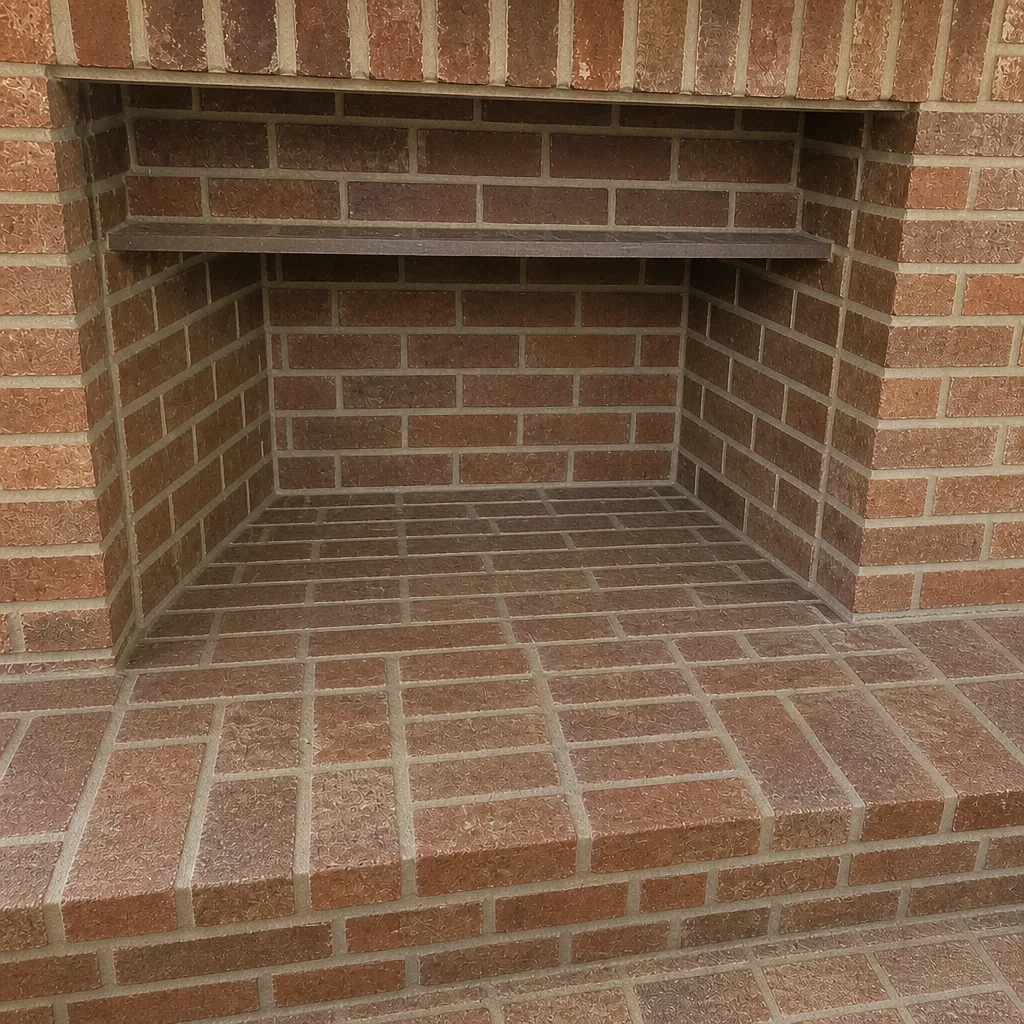
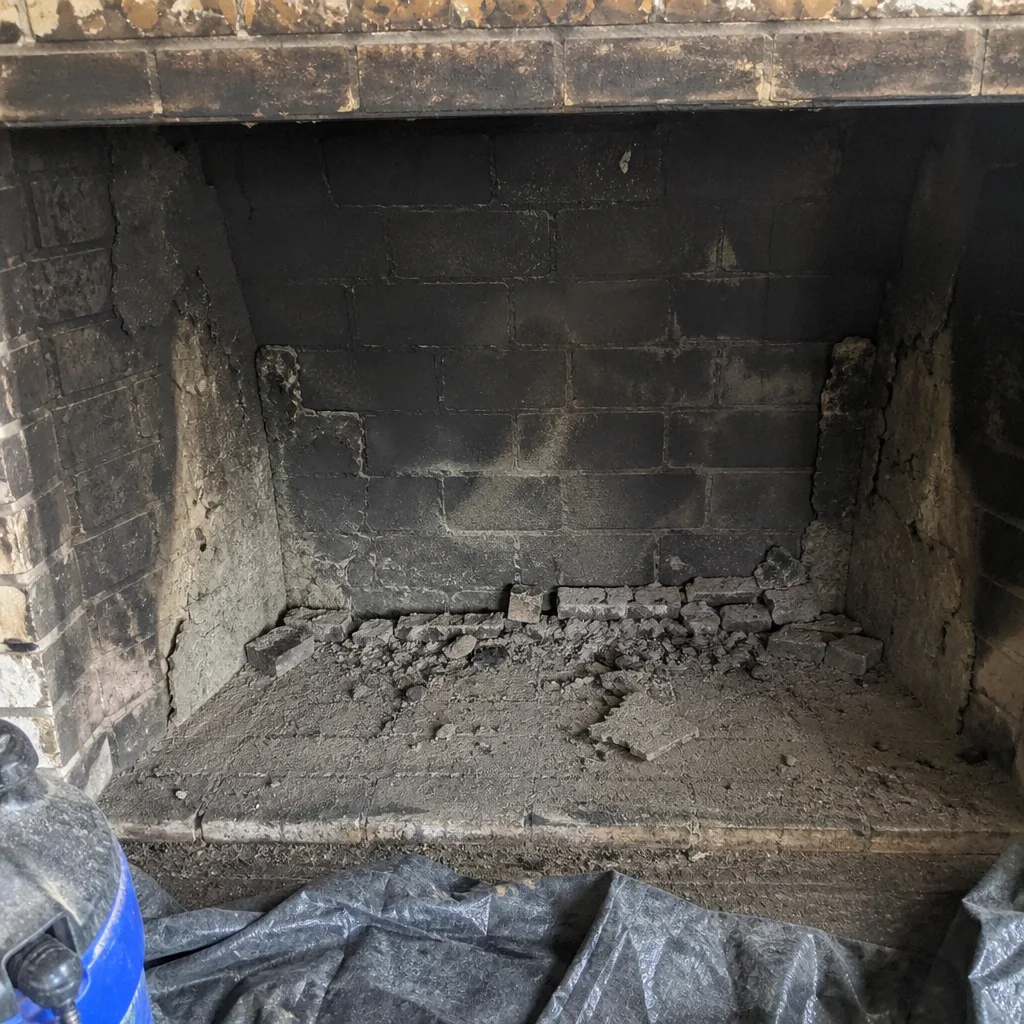
See the difference
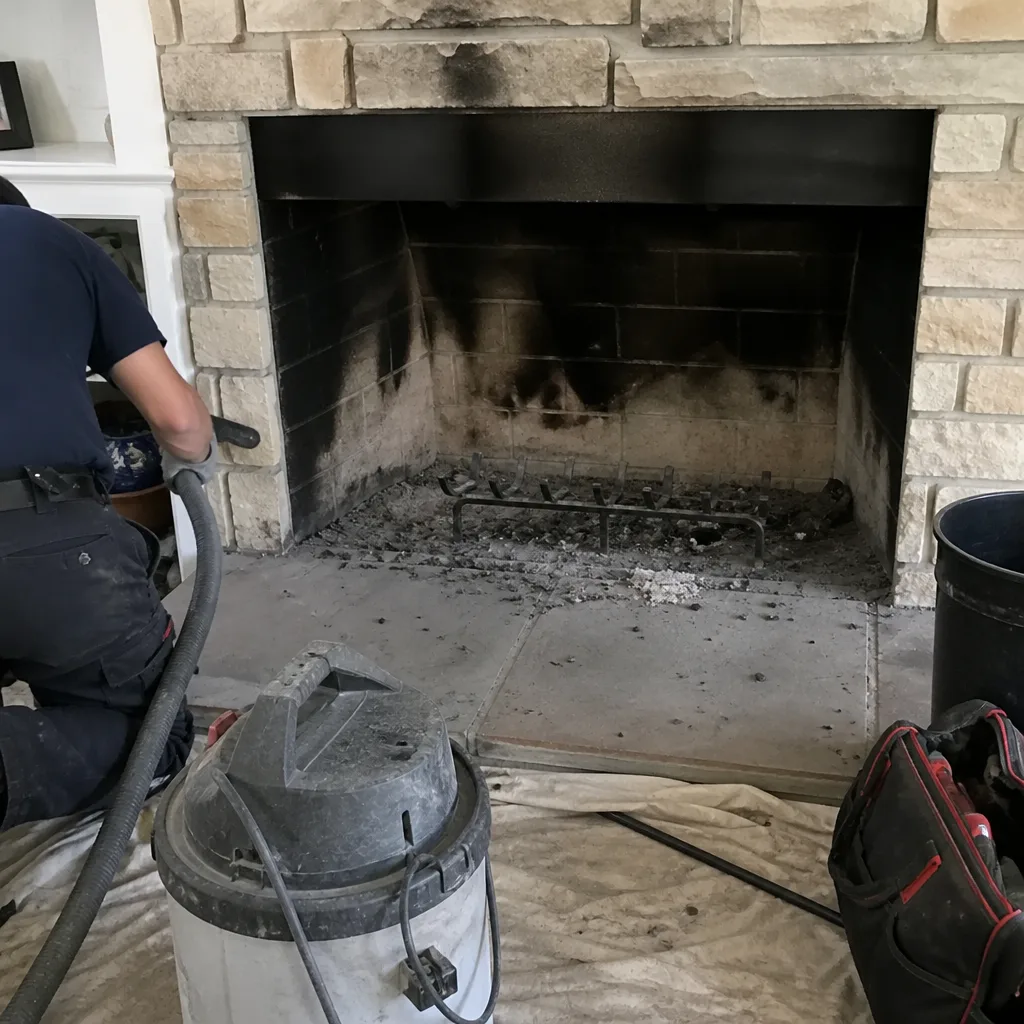 Before
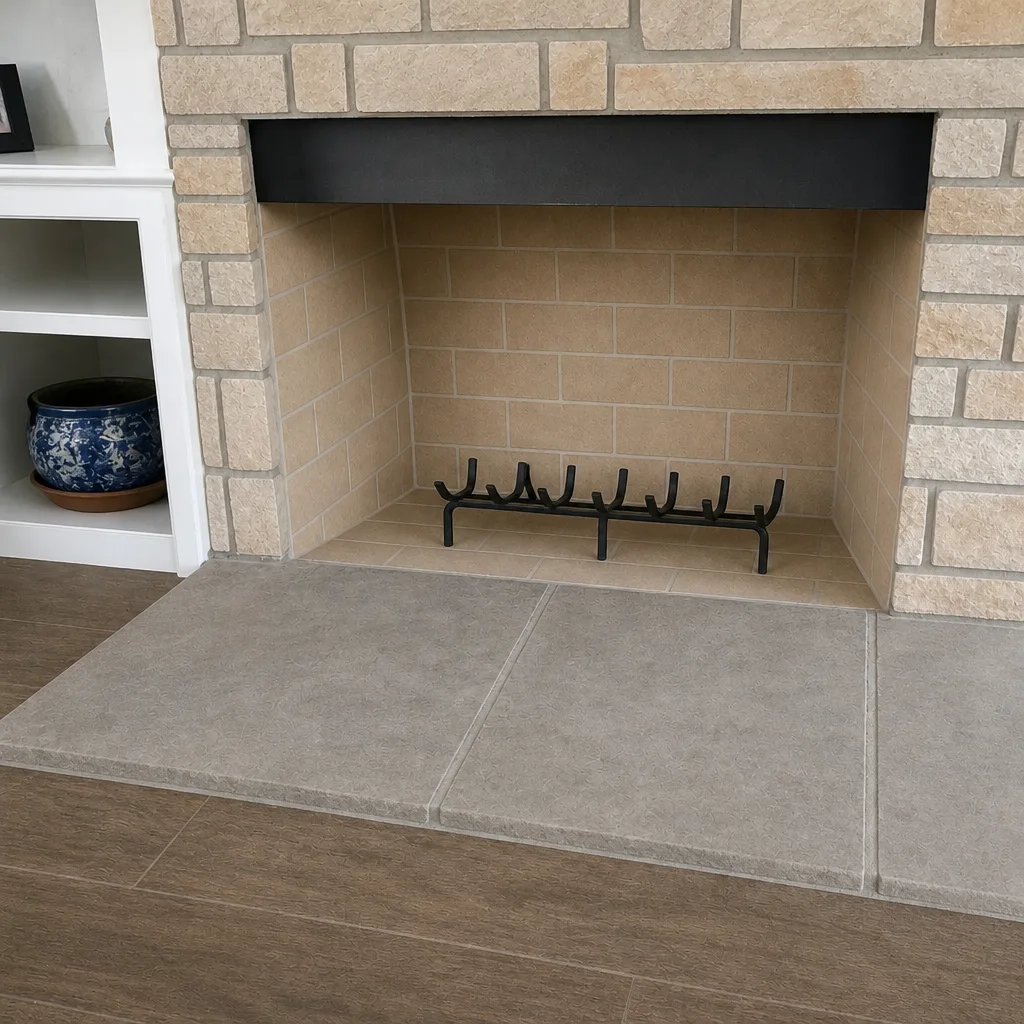 After
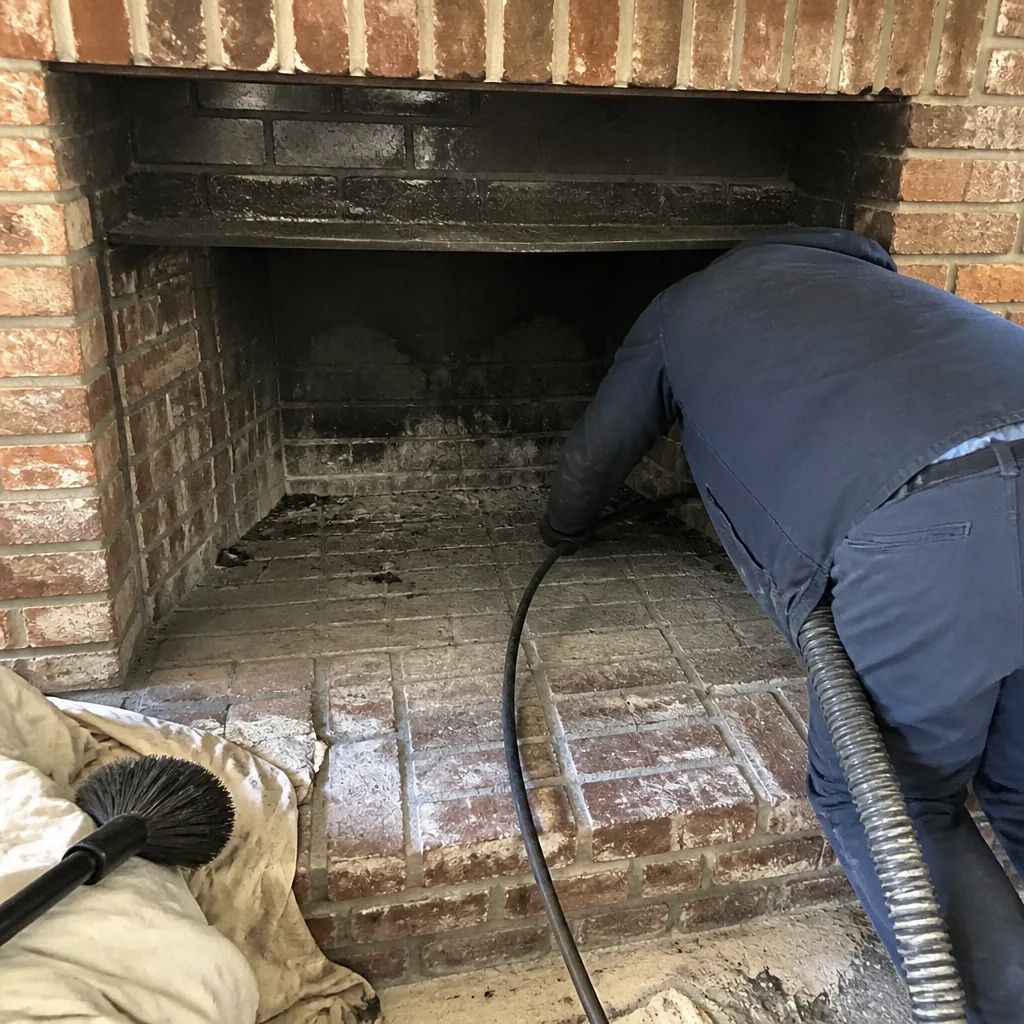 Before
 After
 Before
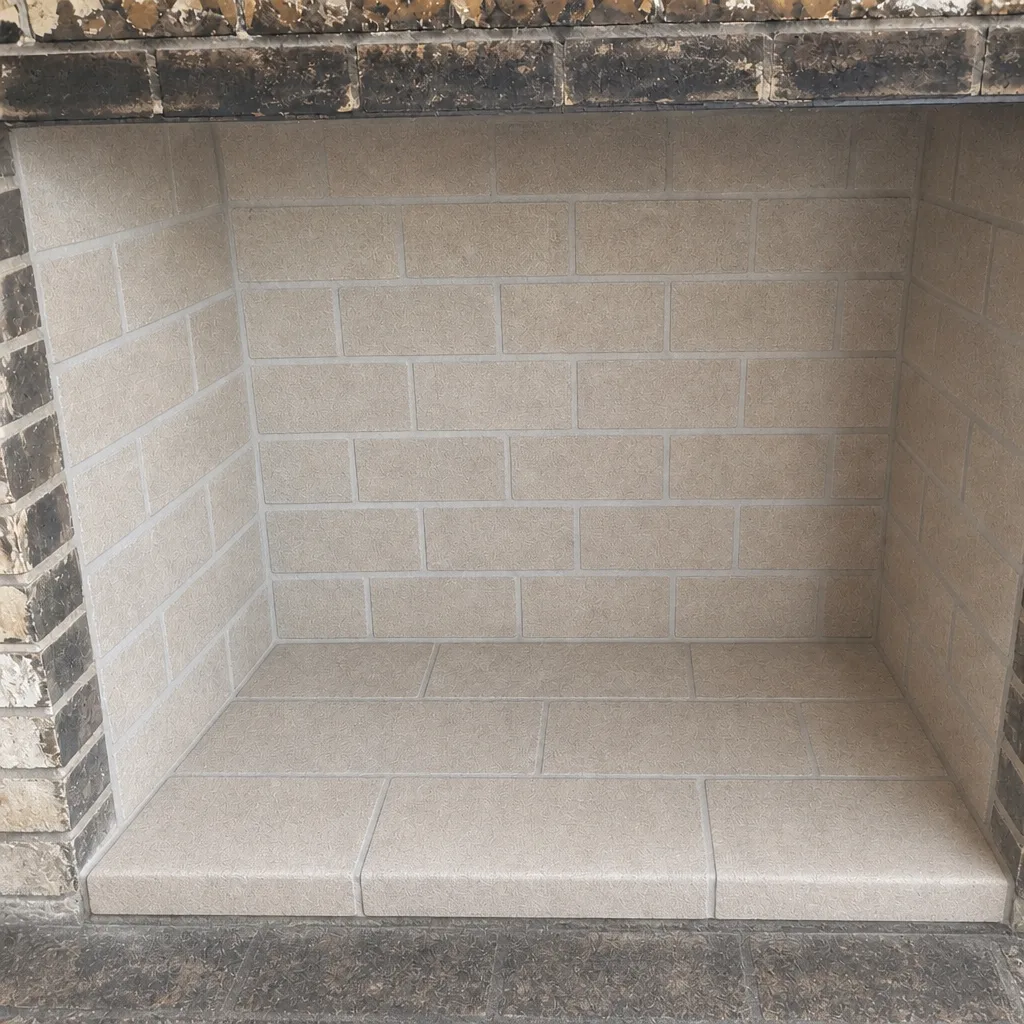 After
When to Call a Professional
Book a professional visit for any of these: a full season has passed without a sweep, your draft has changed, you notice a persistent smell in the chimney even when it’s not in use, or a cap looks damaged from the ground. Call immediately, and stop burning, if smoke enters the room during firing, if you see a fire or smoke in a place it shouldn’t be, or if you smell gas. For structural work – crown repair, cap replacement, liner upgrades – the best time is the current season, not next. Chimney Sweep Fountain Valley offers free estimates in Fountain Valley – call (877) 792-7543. We answer 24/7. Fast dispatch from 7am to 7pm, Sunday through Friday.
Frequently Asked Questions
Once a year in most cases, timed to the fall window from September to October. Homes that burn frequently through the winter, burn unseasoned wood, or have an older unlined masonry chimney should be checked on the same annual cadence with attention to whether an inspection flags anything the cleaning didn’t handle. Gas fireplaces and inserts still need annual inspection even though the creosote load is lighter. Call (877) 792-7543 for an exact quote – estimates are free.
Creosote accumulates – it doesn’t evaporate – and it hardens over the off-season. A skipped year in Fountain Valley also means the chimney spends a rainy season with no inspection, so a small crown crack or a loosened cap can turn into water intrusion that wasn’t there when the last visit ended. Skipping a year doesn’t mean damage, but it means moving inspection from a preventive cost to a diagnostic one. If it’s been a while, book a visit now, and call (877) 792-7543 for an exact quote.
September and October are the best months because the chimney is clean and dry, demand is still low, and the rainy window hasn’t opened yet. That combination gives you a clearer camera inspection and a much easier time booking. It’s the same reason we recommend booking the next year’s appointment at the end of the current one.
Warm, humid air sitting in a closed flue reacts with leftover creosote and soot residue, and the result is a stale smell. Cleaning at the end of the burn season, verifying the cap vents properly, and leaving the damper open on mild days usually resolves it. If the smell returns after a cleaning, that’s worth an inspection. Call (877) 792-7543 for an exact quote – estimates are free.
Swifts and swallows are the most common summer nesters, followed by starlings, sparrows, wasps, and squirrels or roof rats looking for shelter. An uncapped or loosely capped flue is the entry point in almost every case. A commercial-grade cap sized correctly for the flue is the single most effective fix.
Sometimes, yes. HeatShield chimney resurfacing can restore a flue interior that’s cracked or deteriorated without a full liner replacement, when the damage is appropriate for that repair. When it isn’t – when the liner isn’t there or has failed structurally – a DuraFlex liner system is the standard upgrade. The camera inspection is what determines which path applies. Call (877) 792-7543 for an exact quote – estimates are free.
The Bottom Line
The seasonal framework replaces “clean it once a year” with four windows that match how Fountain Valley’s climate actually works: fall for the optimal cleaning and inspection, winter for active-use monitoring, spring for moisture and wildlife, and summer for odor and structural scheduling. The single highest-leverage move is booking in September or October – it’s the fastest, cheapest, and most informative window of the year. Pair that with a simple monthly tracking log, and your annual visit becomes targeted instead of generic. Our technicians have up to 15 years of experience, and we’re here to work through any season with you. Call (877) 792-7543 for a free estimate. We answer 24/7. Fast dispatch from 7am to 7pm, Sunday through Friday.
Written by the team at Chimney Sweep Fountain Valley.